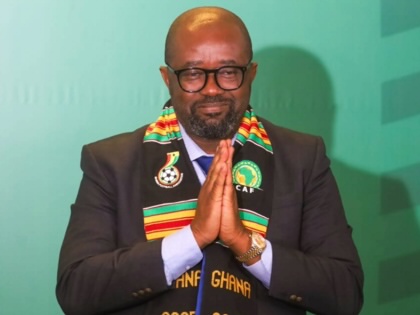
Do Ghanaians ‘still believe’ in Kurt Okraku?
Under the leadership of the president of the Ghana Football Association, the country’s football has become a study in contradiction, combining administrative modernization with competitive decline.
Search Result(s) for: “”
Under the leadership of the president of the Ghana Football Association, the country’s football has become a study in contradiction, combining administrative modernization with competitive decline.
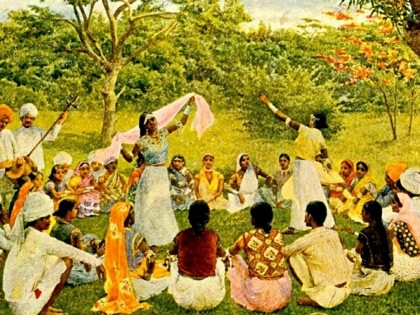
The Granta controversy surrounding a Commonwealth Prize-winning story tells us less about AI than about the enduring metropolitan expectation that writing from the South should sound opaque, excessive, and primitive.
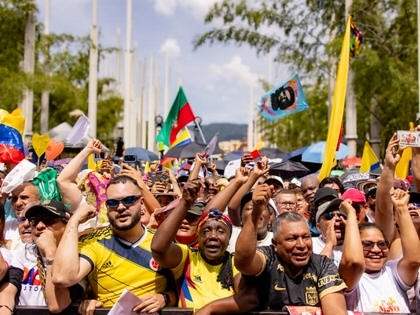
Gustavo Petro’s “economy for life” speaks to real crises. But without a rigorous political economy behind it, progressive movements risk mistaking the symptoms for the disease.
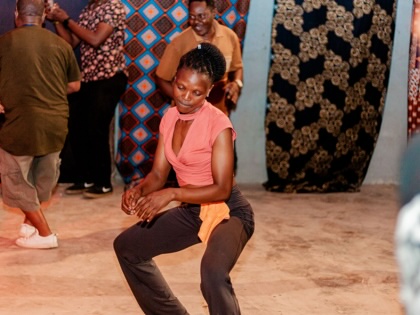
What happens when singeli, a genre born in Dar es Salaam’s working-class underground, becomes a symbol of national culture, embraced by the very state that once distrusted it?
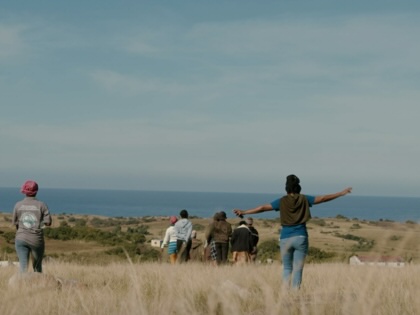
From Latin America to Africa, the struggle over minerals, energy, and sovereignty is forcing a deeper reckoning with capitalism, climate change, and the unequal architecture of the global economy.
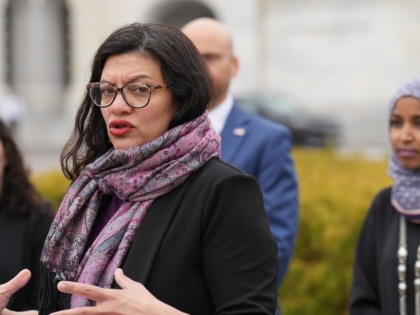
In the United States, Arabs are rendered white or nonwhite depending on the political needs of empire, war, and racial control.
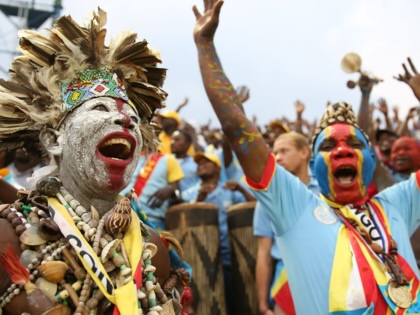
What’s in store for the Congolese national team, now that they’ve reached the World Cup?
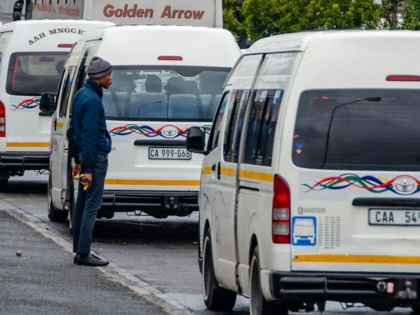
South Africa’s municipalities are collapsing under a neoliberal model that treats water, electricity, and sanitation as commodities to be sold rather than rights to be guaranteed.
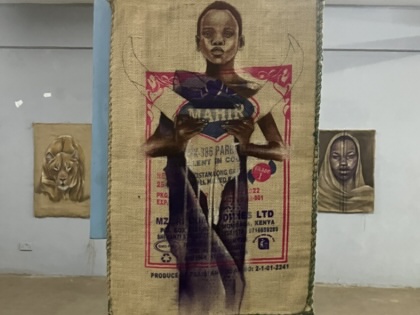
From Nairobi to Khartoum, Kampala to Addis Ababa, a new digital magazine maps how the interconnected forces of political repression, class exclusion, and patriarchy are shaping artistic life across Africa.
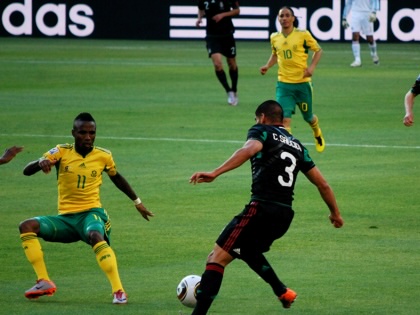
If the reception the Democratic Republic of the Congo received at the FIFA intercontinental playoffs is anything to go by, visiting African fans can expect a joyful camaraderie in Mexico.

In today’s India, stories of terrorism and national humiliation are being reworked into fantasies of decisive power — blurring the line between memory, myth, and politics.
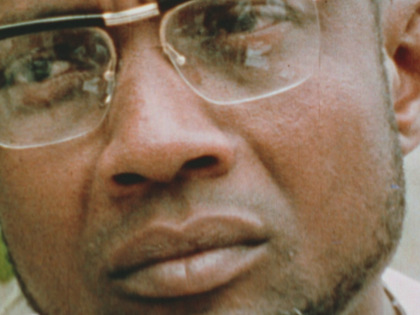
Drawing on letters to his wives, a decade-long film project seeks to move beyond iconography and return Amílcar Cabral to the realm of the human, the fragile, and the unfinished.
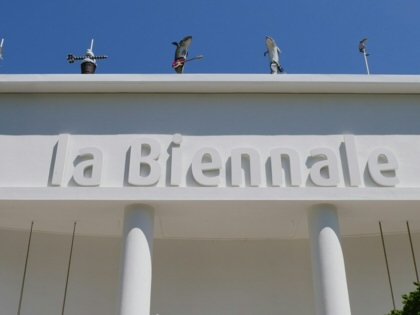
As Somalia makes its first appearance at the Venice Biennale, some Somali artists are questioning who gets to represent the nation — and on whose terms.
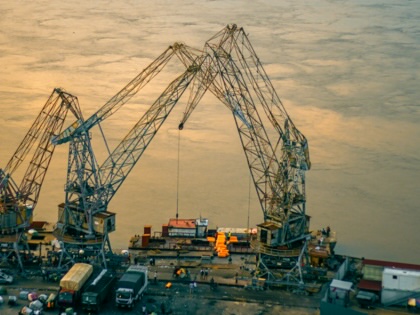
Backed by the Trump administration, US mining firms, financiers, and tech investors are mounting an aggressive push into the DRC’s mineral sector, reviving an old imperial logic under the language of strategic competition.
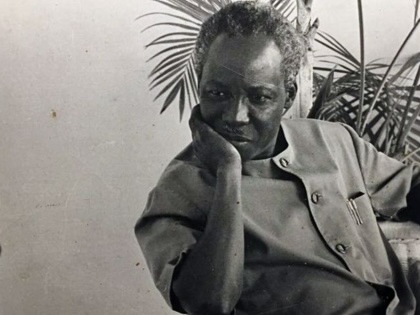
As debates on industrial policy revive, Nyerere’s legacy offers a critical archive of both the promise and limits of socialist development.
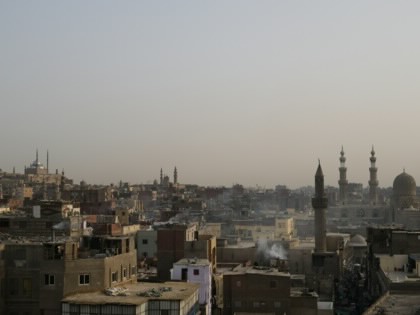
What began as a familiar security state has hardened into something new: a unified coercive order that governs Egypt through violence, surveillance, and permanent emergency.
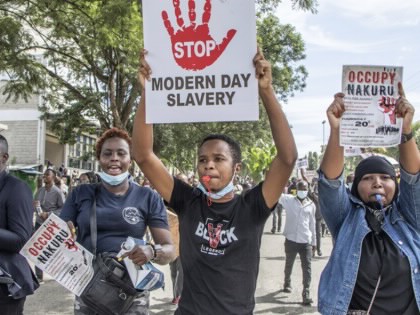
Kenya’s shift toward trade-led diplomacy underscores the difficulty of sustaining regional leadership under conditions of fiscal dependence.
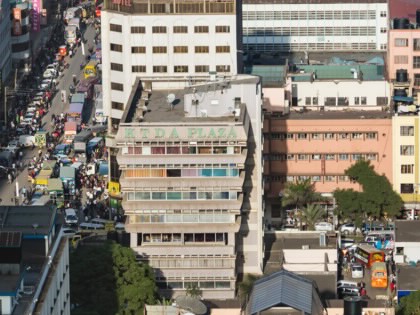
Across the country’s urban centers, young men are being recruited into political militias that offer quick cash, fleeting power, and little chance of escape.
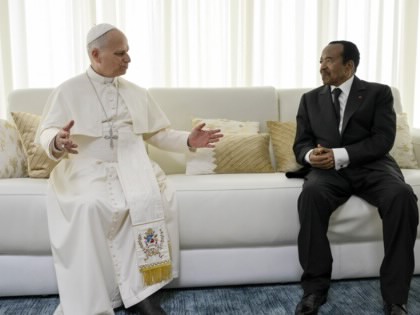
The Pope’s African tour tested whether the papacy can speak to ordinary people without becoming a prop for authoritarian power.

A debut feature set on the Cape Flats turns a familiar crime premise into a quiet study of fatherhood, masculinity, and survival. But its limited reach reveals the deeper problems facing South African film.