The inner life of a revolutionary
Drawing on letters to his wives, a decade-long film project seeks to move beyond iconography and return Amílcar Cabral to the realm of the human, the fragile, and the unfinished.
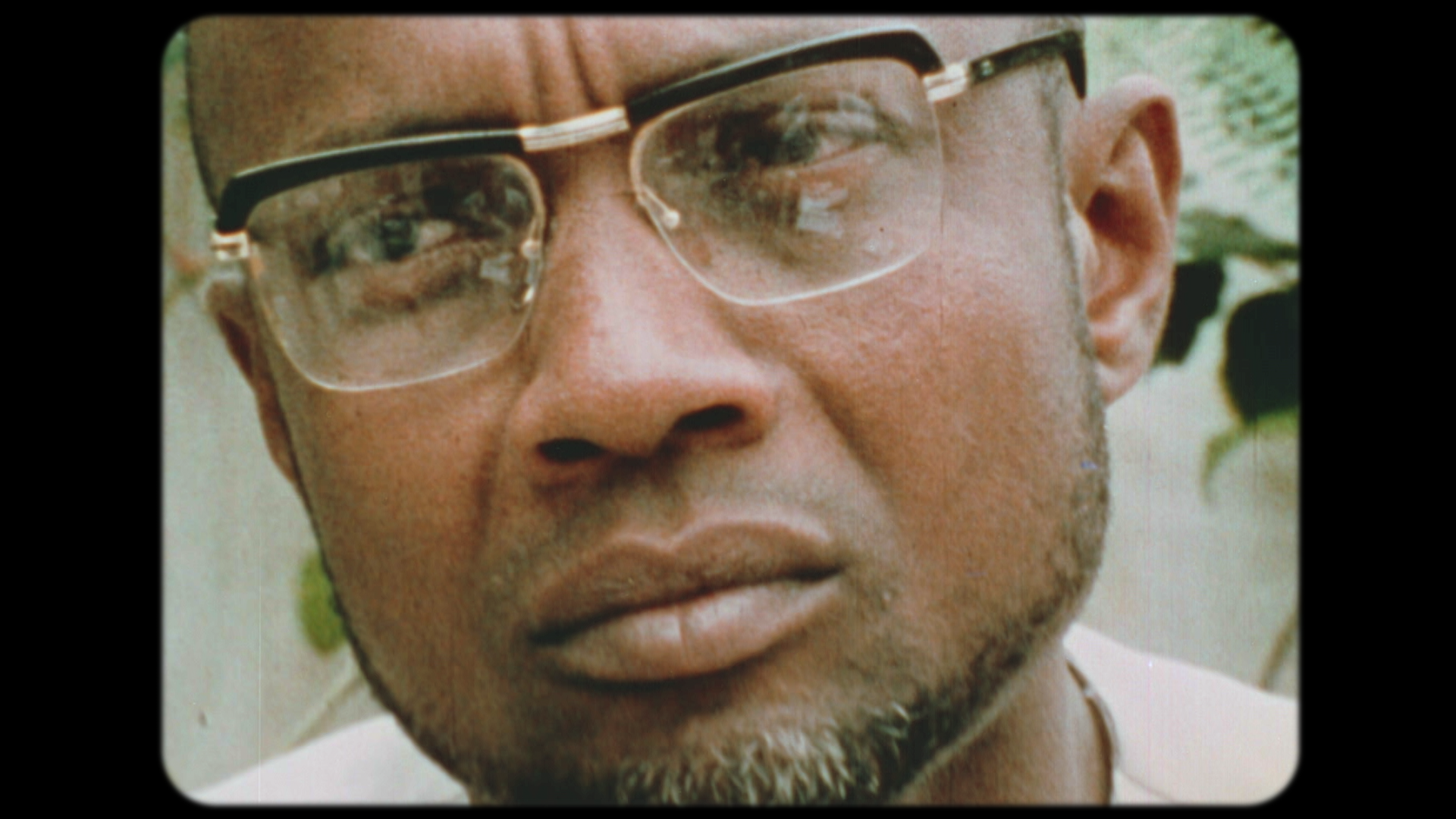
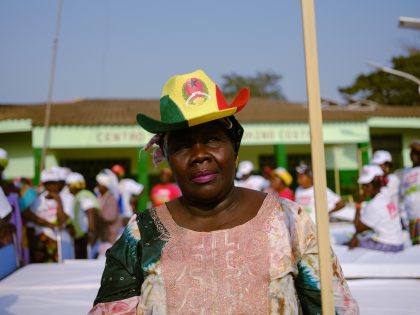
Still from Amílcar.
- Interview by
- Feven Merid
Guinea-Bissau is a beautiful place—so much so that more than one-quarter of the country is designated as protected. In 1952, Amilcar Cabral, a young Cape Verdean agricultural engineer, arrived in the then-Portuguese colony to conduct an agricultural census. He, too, recognized its splendor. The land was “marvelous in the sense that today’s reality projects into tomorrow’s,” he wrote in a letter to his first wife, Maria Helena. He would travel the entire country, including its archipelago, to complete the census and come to know its landscape and people intimately in the process. “Here nature invites work and infuses vitality into life,” he wrote. He would famously spend the rest of his life uniting the country’s struggle for liberation with Cape Verde, another Portuguese colony. Eight months after Cabral was assassinated, Guinea-Bissau declared independence.
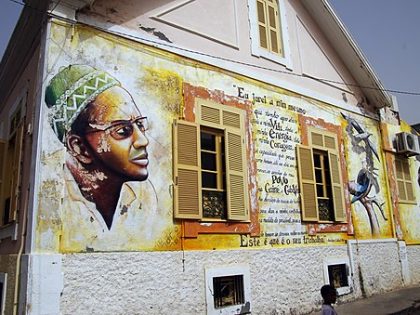
How does an ordinary person turn into a successful revolutionary? Spanish filmmaker Miguel Eek attempts to answer that question in his documentary film, titled Amílcar. However, this is not a deep dive into Cabral’s politics, but rather a biographical piece that looks at the spaces in between the work. Eek abandoned the dozens of interviews he originally conducted to shape the film in favor of Cabral’s letters, poems, and other personal writings. The film sets out to display what the man whose face Eek saw etched all over Cape Verde thought about in the midst of fighting a brutal guerrilla war.
I spoke to Eek about his changing approach to Cabral’s interior and the importance of not letting him become a relic of the past.
Feven Merid
What made you want to make a film about Amílcar Cabral?
Miguel Eek
This journey actually began 12 years ago, when I was living in Cape Verde. At that time, we had an economic crisis here in Spain, Europe in general, and I was looking for a change and went to live there. There are many sculptures of Amílcar around the country, so I just started to read about him, his biography, and then his texts. And I got fascinated by the fact that I could be so inspired by someone from a very different culture and context. He was someone who really made me believe in politics again. He was talking with a very clear voice, with a very easy language, about regular things that people have to face in their everyday life. Sometimes politicians speak so much in words that are hard to understand, and I was really impressed with how he could address people from small villages, and at the same time, he could address people at diplomatic level. So this capacity to connect with people was really incredible for me. And from there, I just started to interview people who fought with him, one of his wives, one of his sisters, his daughter. I just started without knowing so well where I was going, actually, in order to satisfy my curiosity.
Feven Merid
What made you decide only to use the letters as the film’s narration?
Miguel Eek
I did so many interviews, maybe around 40, across Cape Verde, Guinea-Bissau, France, Sweden, and Portugal. I started to draft a kind of first cut of a film made basically with some archives, but a lot of interviews, and I understood that this was not the best approach. I wanted to go deeper into the complexity of a character who decided to unify two countries in a fight for independence. And at that moment, it was like four years after beginning, I discovered the letters he wrote to his two wives.
It was quite a coincidence. I was just working on the film, and on one of my journeys to Portugal, I discovered that an independent editorial published the letters he wrote to his first and second wives. I discovered the emotions beyond the leader, the fragility, the vulnerability, the fear, the romanticism, many layers. It twisted the way I wanted to approach the film. I wanted to work from the first person, not the third person. I mean,I didn’t want to make a film about Amílcar Cabral from a portrait by others, but somehow embody Amílcar Cabral through his personal texts, the letters, the political texts, and his poems. So that’s why I started to explore this possibility and to create some kind of dialogue with archives.
I decided to go to Guinea-Bissau and Cape Verde to shoot with the 16-millimeter cameras that these filmmakers [of the archival footage] of the ‘60s and ‘70s were using. I was trying to create the same texture of images and trying to shoot as an amateur, you know. I wasn’t trying to make super beautiful shots; I was trying to make very human shots.
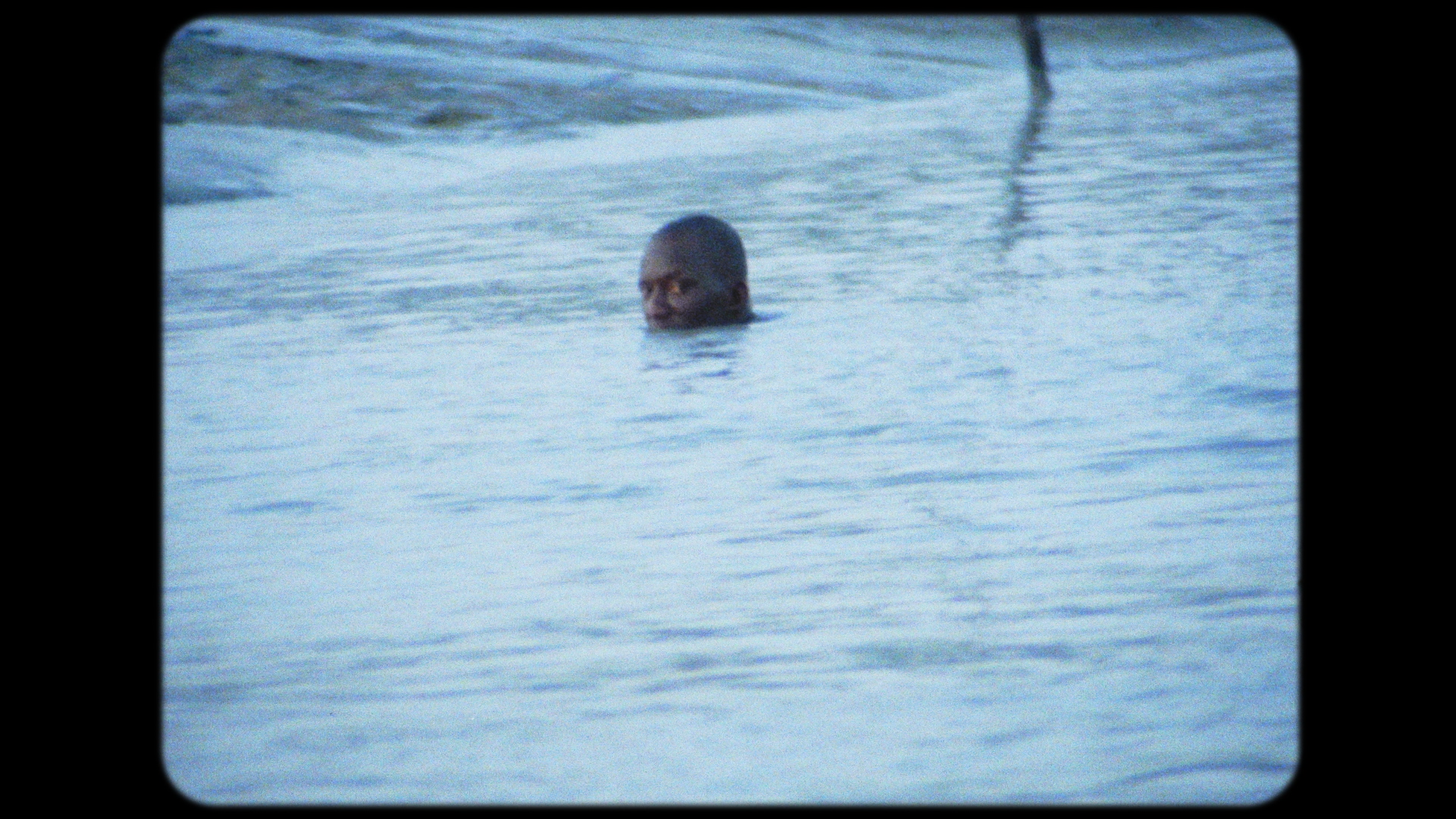
Still from Amílcar. Feven Merid
What did you learn about him in the letters that was new from what you learned about him through the interviews? Did anything surprise you?
Miguel Eek
I discovered someone very sensitive to images. He was great at describing things poetically and beautifully. For instance, there are postcards of a camel or some flowers he sent to his second wife, and he was really exploring the poetry of life in the postcard pictures and in the things he was watching. So this helped me reconstruct, somehow, his gaze, or at least, inspire me in this reconstruction. He did not shoot film, but he took some pictures, and with this material and the descriptions in the letters, I discovered this visual sensitivity. Another thing that I discovered was the fact that you can chart such a complex path, in terms of revolution, in terms of war, of international diplomacy, and you don’t lose your curiosity for children, for nature. He was an agricultural engineer, and his gaze toward plants, flowers, and the forest was very present in these letters.
Feven Merid
What do you think the role of a documentary about a revolutionary is today, in the current moment, amid the many oppressive structures that people like Amílcar were fighting?
Miguel Eek
When I started this film, as with all the films I do, I didn’t think so much about what the mission of the film is or what I want to achieve with the film. All the films, for me, start as the answer to questions and to curiosity, to know more and understand more about someone or about a period of time. What touched me when I was reading Amílcar Cabral 12 years ago is the fact that he’s telling us about things that nowadays are still unanswered questions; of the many challenges of imperialism or colonialism, and the way they transform societies. So I guess a film like this could make us think about how each generation needs to explore. It’s not enough that one generation got some human rights or fought because the success of one generation can disappear if the new generation can’t fight for that.
Feven Merid
You spent so much time working on this film, interviewing dozens of people, getting into Amílcar’s personal letters. How has spending so much time with a person’s life affected you?
Miguel Eek
It has changed me so much. First in my political engagement, now I feel much more connected with the need to engage myself and others in the questions that are in my hands. I mean, I won’t become a politician after this, but I know that in my hands, there are many things and many responsibilities that, in making films, I must be aware of.
I spent the same time that Amílcar fought the war, making this film, so 10 years of war for Amílcar, 10 years of war for me to make the film. There is some kind of magic in Amílcar Cabral or my connection with Amílcar Cabral because I could not imagine that I would be so committed to this long process of the film. The easy way was to finish the film earlier with the interviews.
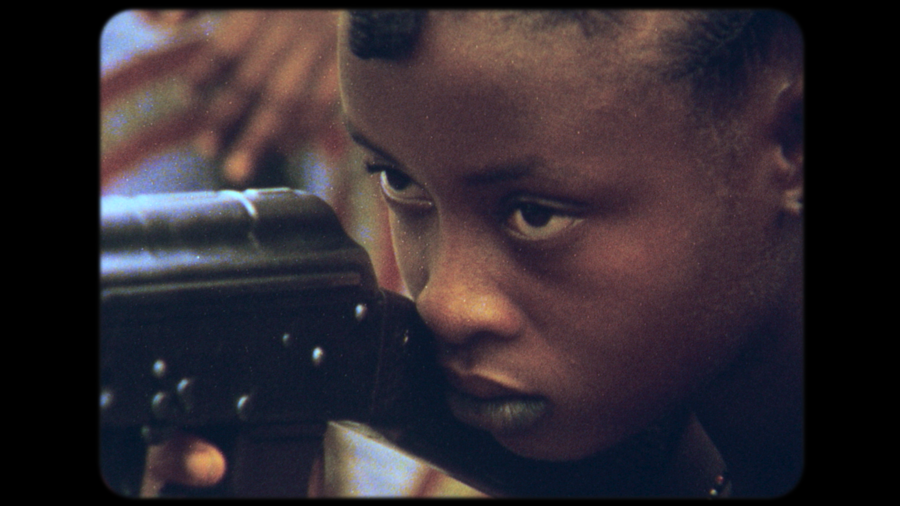
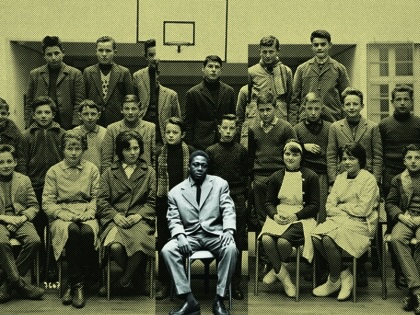
Still from Amílcar. I did 40 interviews in seven countries without a budget. I was just using my personal budget to fly to different places with a small camera and a mic, interviewing people. This was still very important, to get the commitment in others and in myself to do it, because otherwise it would be much more superficial, or maybe I wouldn’t have been strong enough to face the complexity and the responsibility of making a film about someone like Amílcar Cabral. Even though sometimes I had my doubts about my own capacity to do this film, I thought that it was worth doing, even if the result was not the best. I hope new films about Amílcar will appear, and some other filmmakers from Guinea, from Cape Verde will explore from their perspective.
I decided to take the hardest, most complex path to do this film. I started when I was 33, and now I’m 43. I’ve grown so much as a filmmaker and enjoyed learning how to make a film completely different from my previous films. I had to unlearn so many things to make this film. It is a kind of gift for a filmmaker to have the opportunity to explore a different approach.
Feven Merid
Now that the film is complete, how do you feel about it?
Miguel Eek
I did my best with my resources, with my team, and with my skills, but I know that someone like Amílcar Cabral deserves the best film possible. Yet there is still the moment where you have to decide to stop and to deliver a film. The fact that I’m not an African filmmaker puts me in a position of privilege that is somewhat problematic, because I know that my vision is the vision of a European. It’s a vision from someone from the colonial perspective, even though I am against colonialism. I know that I don’t have an African gaze. I’m making a film from the privilege of a country where I can access finances, and I have a particular vision that is not one of Amílcar’s. This is something that I’m still dealing with. The film is there, I’m happy with it, and. I hope it can create a discussion about Amílcar.