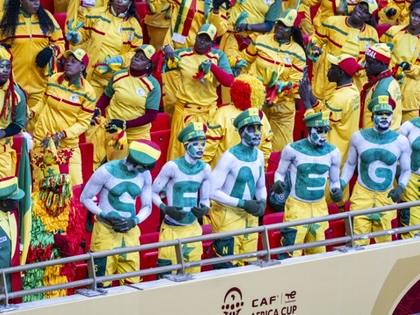
The World Cup Senegal can’t attend
Between the visa bond, the digital surveillance requirements, and the 74 percent rejection rate, the Trump administration has made it nearly impossible for Senegalese fans and journalists to attend the World Cup.
Search Result(s) for: “”
Between the visa bond, the digital surveillance requirements, and the 74 percent rejection rate, the Trump administration has made it nearly impossible for Senegalese fans and journalists to attend the World Cup.
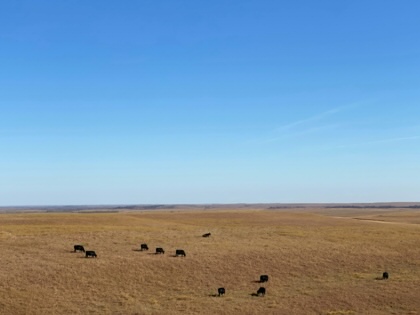
Against a tournament shadowed by visa refusals and bureaucratic hostility, the unexpected love affair between the Algerian national team and the city of Lawrence, Kansas, is a welcome reminder of what the World Cup is actually supposed to be about.
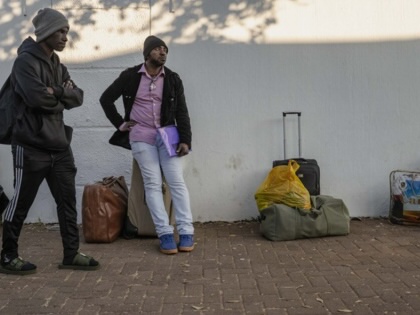
Across South African radio and television, anti-immigration framing has become the norm.
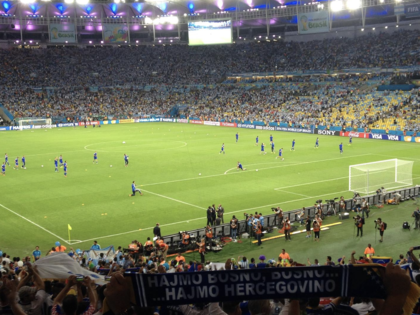
Bosnia’s World Cup squad is built on the descendants of war and displacement, players raised across Europe and North America who are finding their way back through football.
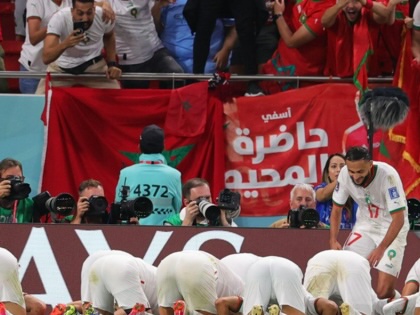
Why are the religious practices of African footballers treated as strange when athletes around the world turn to faith and superstition to navigate the game’s uncertainty?
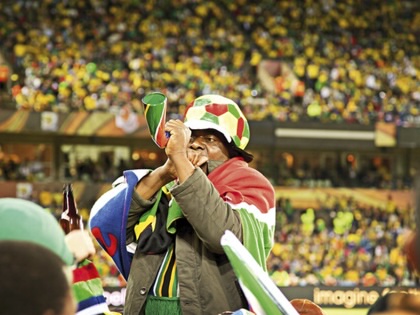
For decades, Bafana Bafana embodied the disappointments of the democratic era. As the team recovers, South Africans are once again projecting their political aspirations and fears onto the national side.
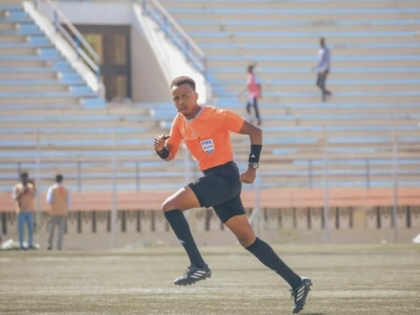
The exclusion of Somali referee Omar Artan hardens the contradiction at the heart of the 2026 World Cup: a global tournament increasingly shaped by the politics of exclusion.
Although the UAE doesn’t occupy territory, it arms militias, controls ports, and launders violence through the language of development. Sudan is paying the price.
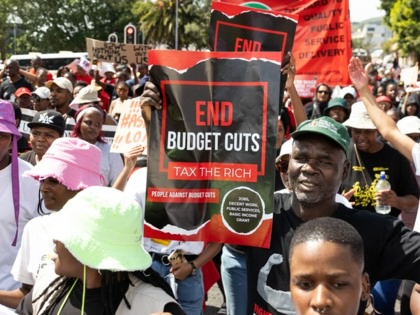
If the South African left cannot engage the messy, contradictory spaces where working class politics are actually happening, then it cannot lead.
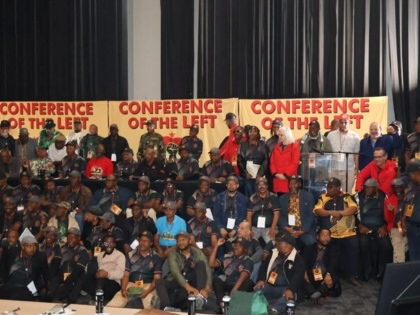
A much-anticipated “Conference of the Left” was supposed to unite South Africa’s progressive forces. Instead, it confirmed the harder truth: the left doesn’t need unity, it needs rebuilding.
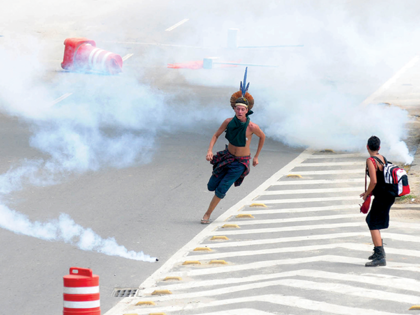
The World Cup was born from imperial rivalry and nationalist aspiration. Almost a century later, it still oscillates between mass hope and elite spectacle.
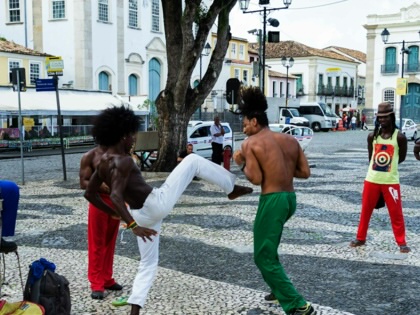
AI tools are built on Eurocentric datasets. For Brazil’s Afro-descendants — whose histories were already marginalized from literature, academia, and media — it poses the threat of industrial-scale erasure.
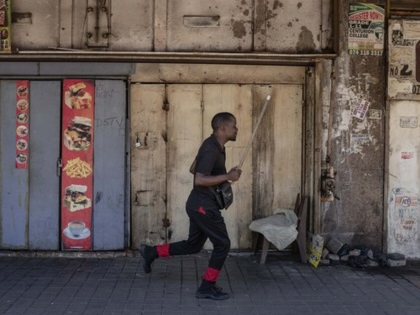
In South Africa, one of xenophobia’s quieter moral mechanisms is the way foreign wrongdoing is made to carry more meaning than citizen wrongdoing.
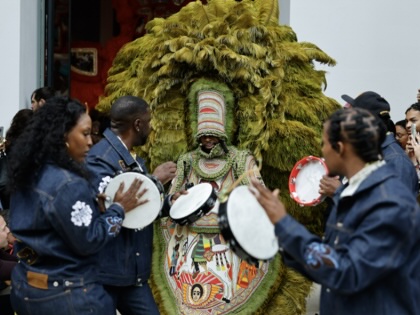
At the 61st Venice Biennale, the late Koyo Kouoh’s decolonial vision shaped a landmark exhibition, even as questions of representation, solidarity, and cultural authority continued to haunt the African pavilions.
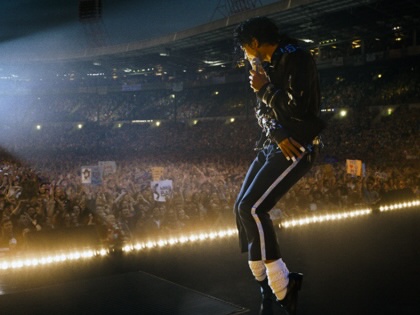
The new Michael Jackson biopic turns a politically conscious Black artist into a raceless fantasy figure, erasing the civil rights struggles, global solidarities, and histories that shaped him.
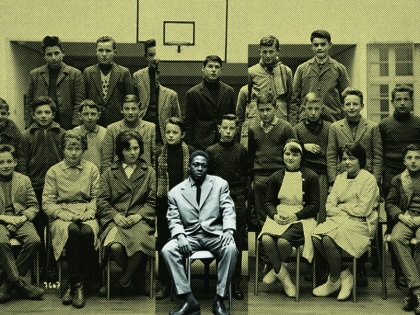
A new documentary revisits how Mongo Beti used literature and political writing to confront the suppressed history of French colonial violence in Cameroon.
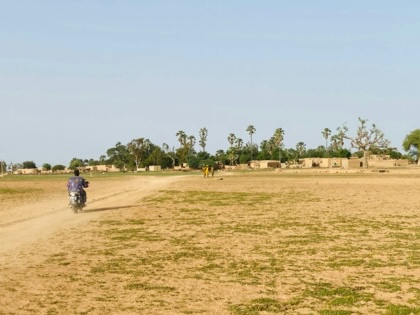
The violence unfolding in Mali reflects a deeper political impasse: how to sustain popular aspirations for emancipation without collapsing into military authoritarianism.
Across Africa, governments are elevating STEM education while sidelining the humanities. But science and technology are never neutral, and technical expertise alone cannot transform society.
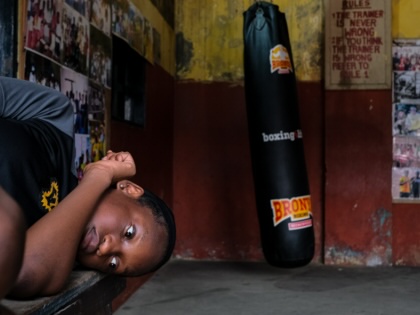
In Ghana, women boxers continue to pursue the sport despite the economic hardship and institutional inequalities they face in and out of the ring.
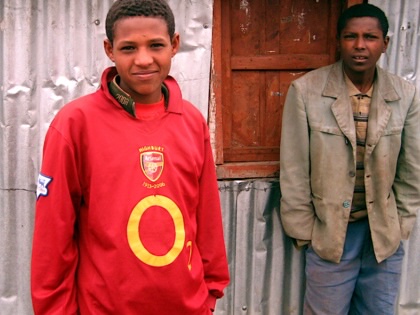
Under Arsène Wenger, Arsenal FC transformed English football’s relationship to African players, becoming a symbol of diaspora identity, Black internationalism, and global modernity.