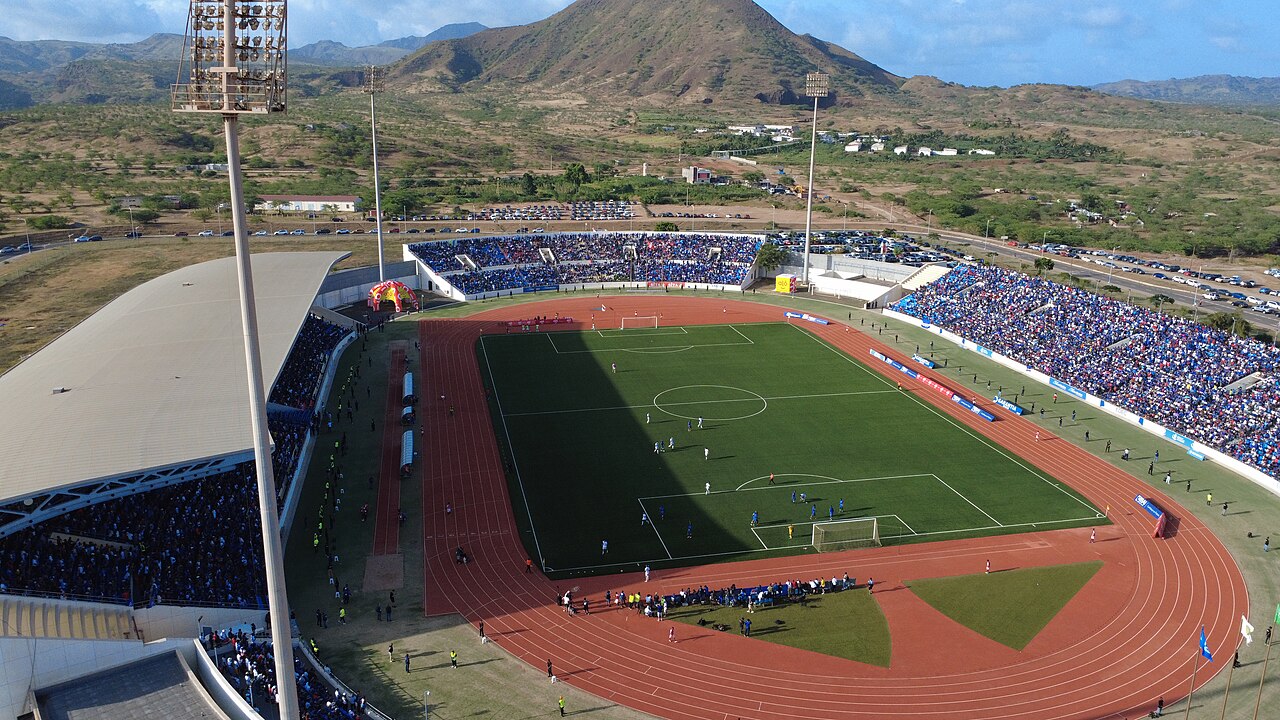
Cabo Verde’s historic run and the breakthrough performances of fellow African and Caribbean nations changed the conversation about visibility, opportunity, and the future of African football.
The World Cup
Our coverage of the 2026 FIFA Men’s World Cup in North America.
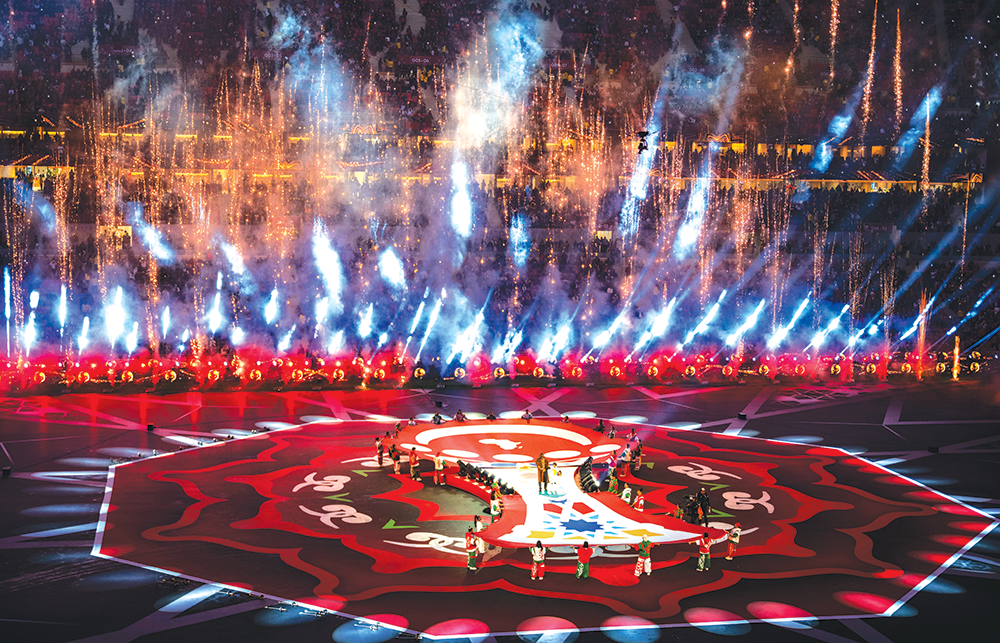
Can a continent dominate global football while losing control of its own game?
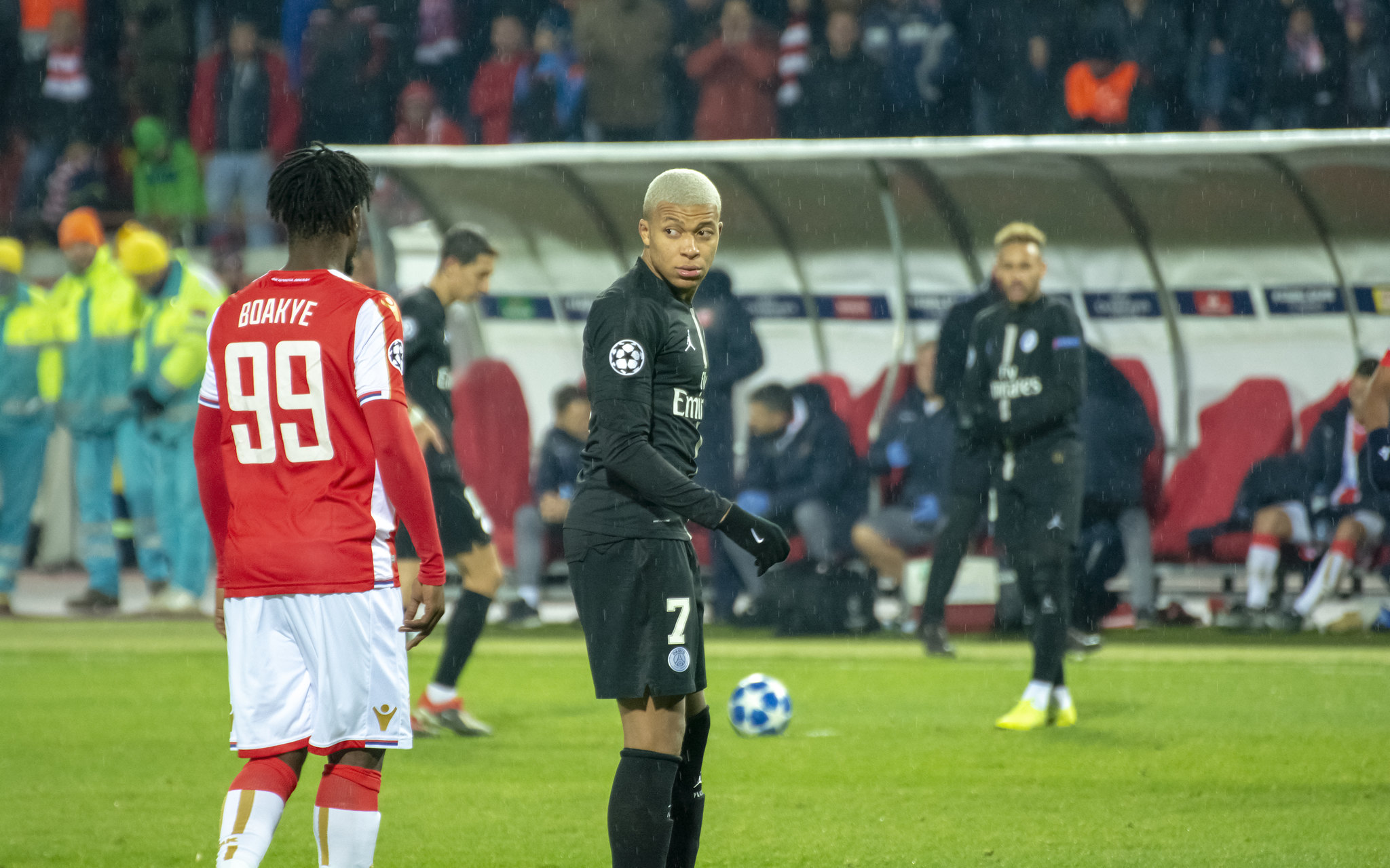
Football’s three mixed Maghrebi and Black African stars are not emissaries of a new pan-Africanism. And the continent doesn’t need them to be.
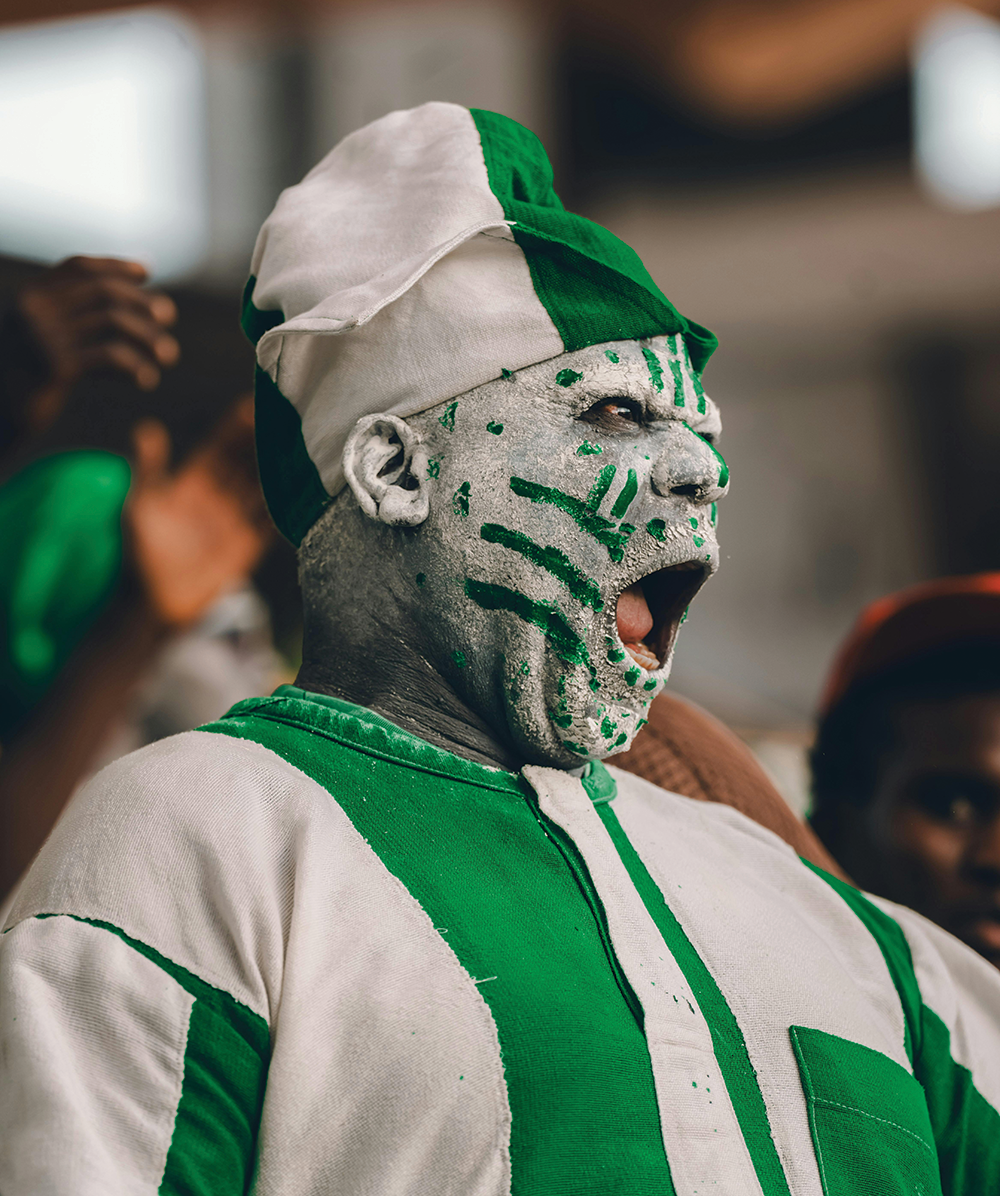
Part performer, part cultural ambassador, and increasingly, a political flashpoint.
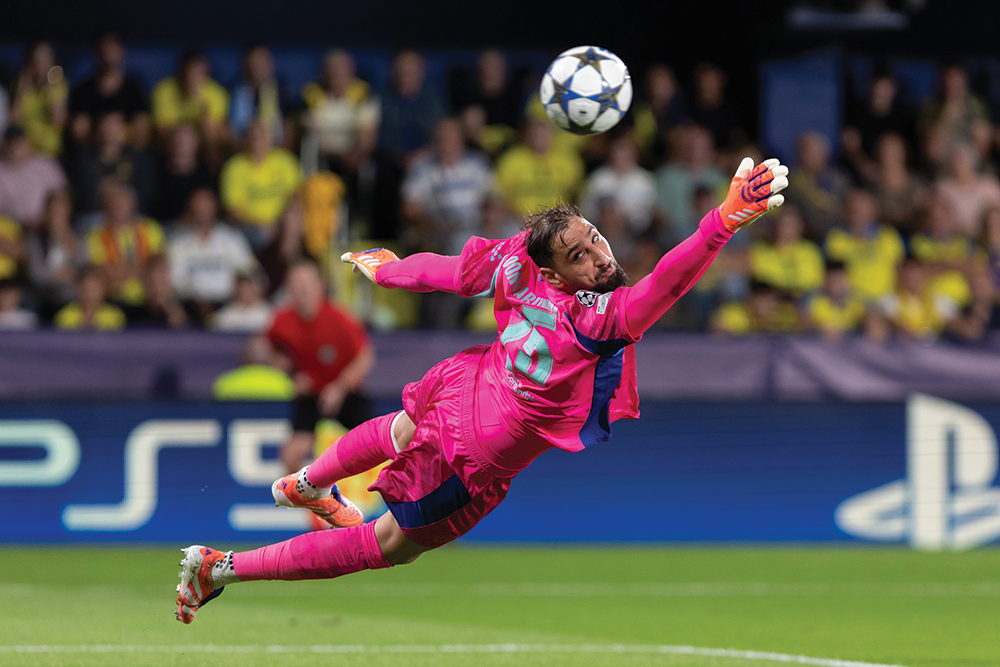
As club football becomes increasingly placeless and commercialized, international football begins to feel strangely real again.
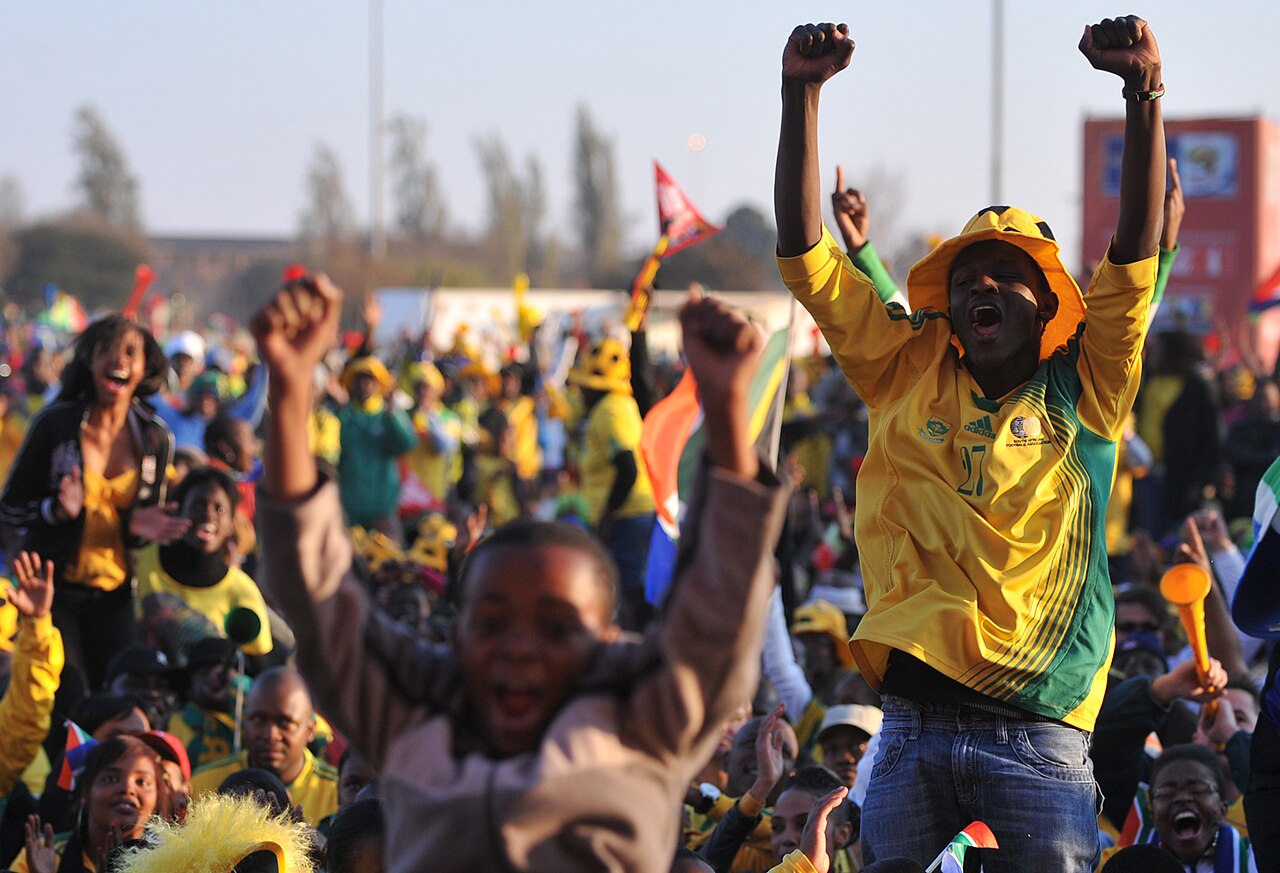
Bafana Bafana’s World Cup exploits has South Africans chanting “No DNA, just RSA!” But against a rising tide of xenophobia, what South Africa are we actually rooting for?
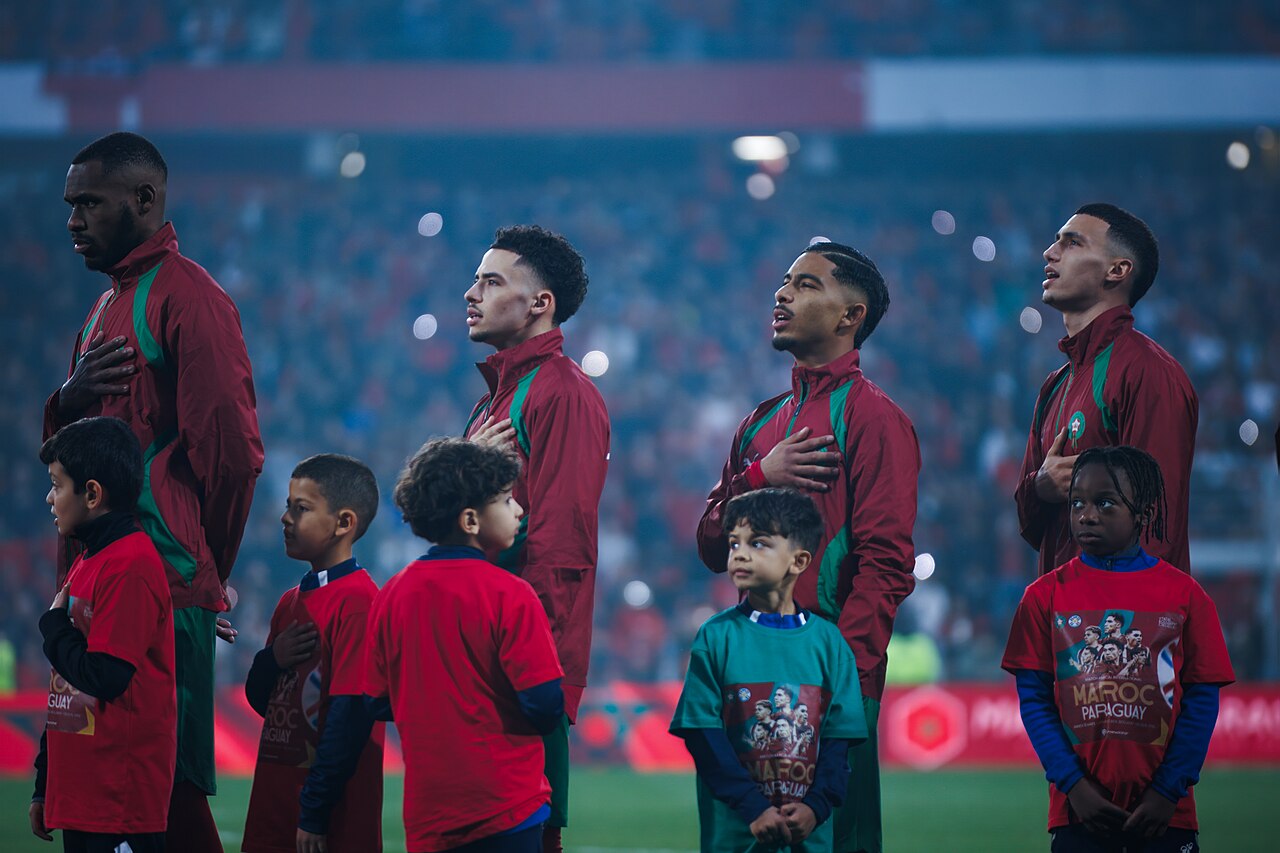
When Ayyoub Bouaddi chose Morocco over France, he wasn’t just making a football decision, he was enacting a theory of citizenship that has been in the making since 1880.
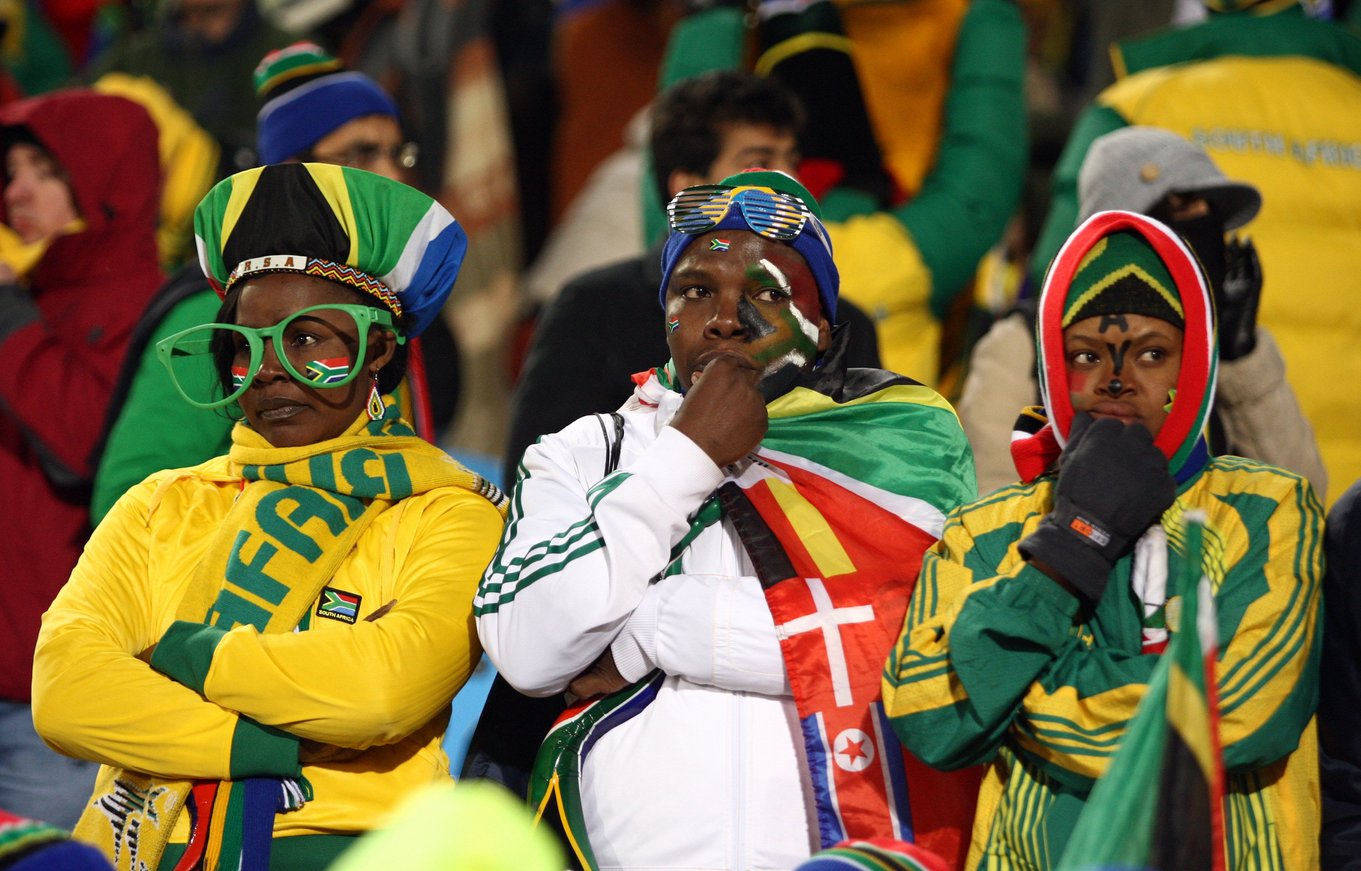
Some African football fans have been hate-watching Bafana Bafana at the World Cup because of South Africa’s anti-migrant politics. The team’s apolitical stance has left them without a defense.
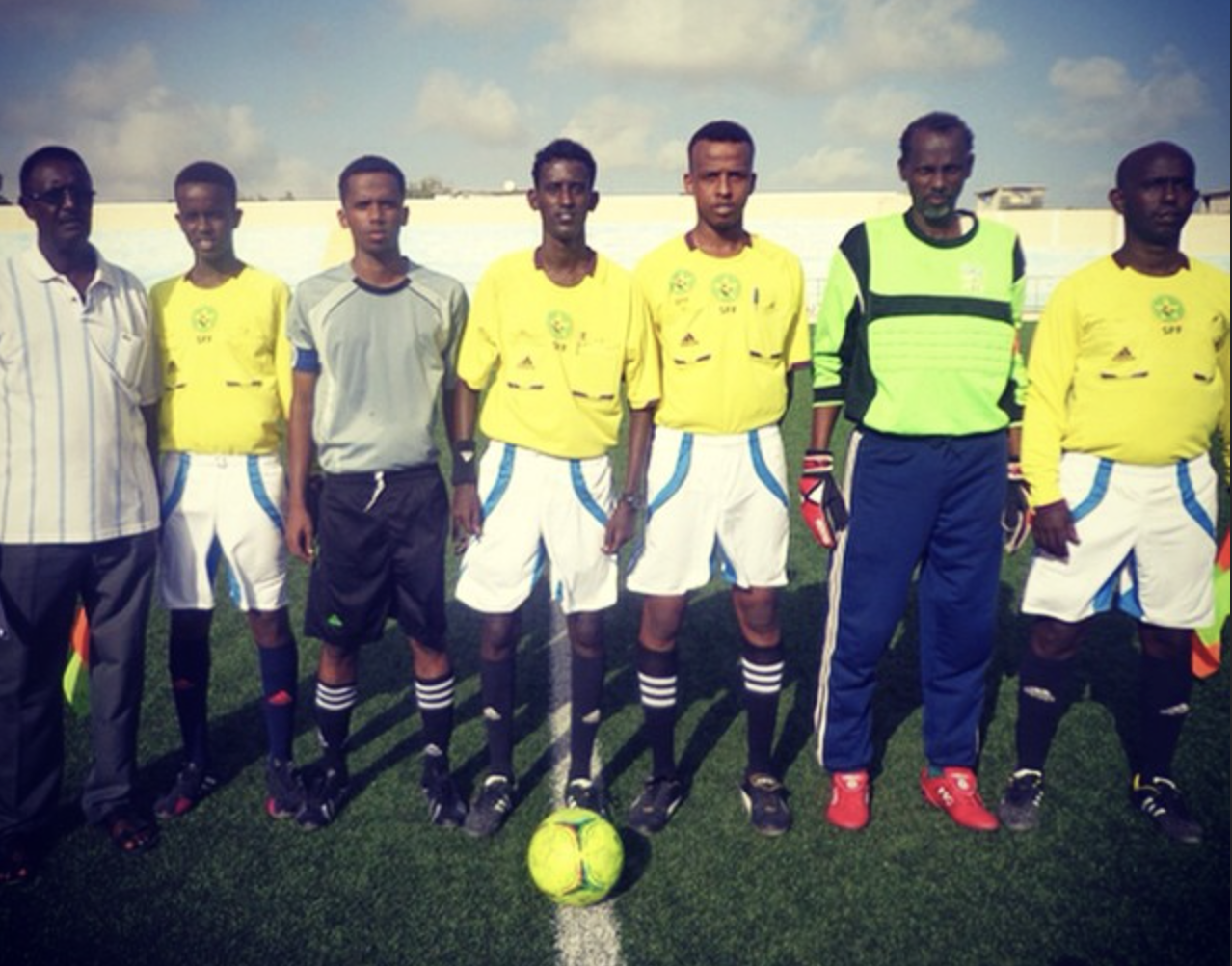
The World Cup was meant to be the culmination of Omar Artan’s remarkable rise. His exclusion from it revealed something equally striking: the magnitude of the admiration he had earned at home and globally.
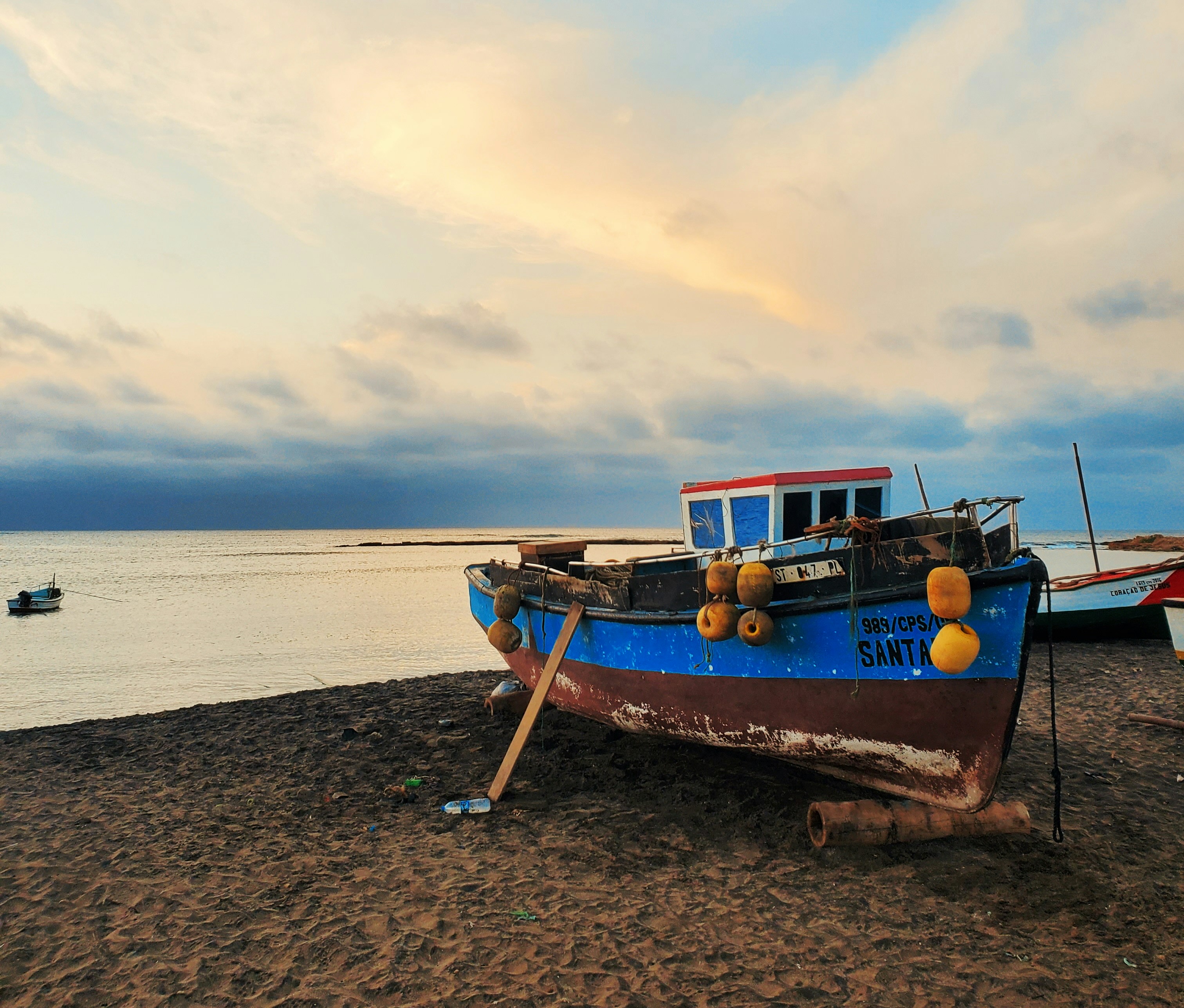
Cabo Verde’s national team is at the World Cup for the first time in their history. To understand why they might surprise everyone, you need to understand morabeza.
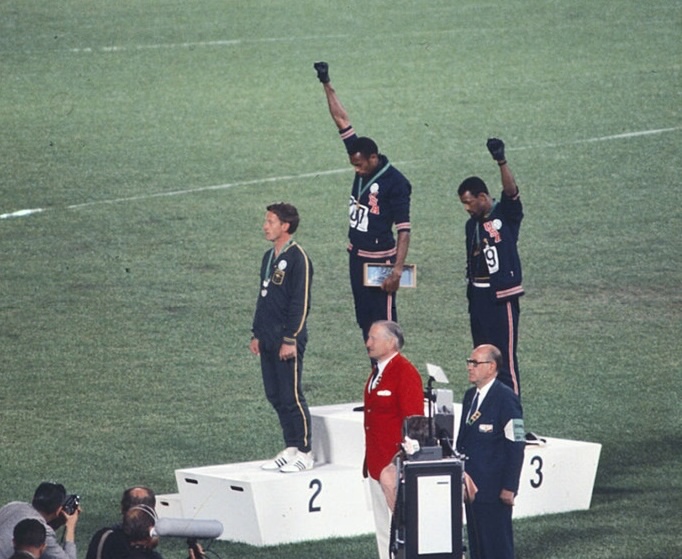
The refusal of the US government to admit Somali referee Omar Artan is a reminder that the United States has a long history of using sports as a tool of exclusion, especially when it comes to African and African-descended athletes.
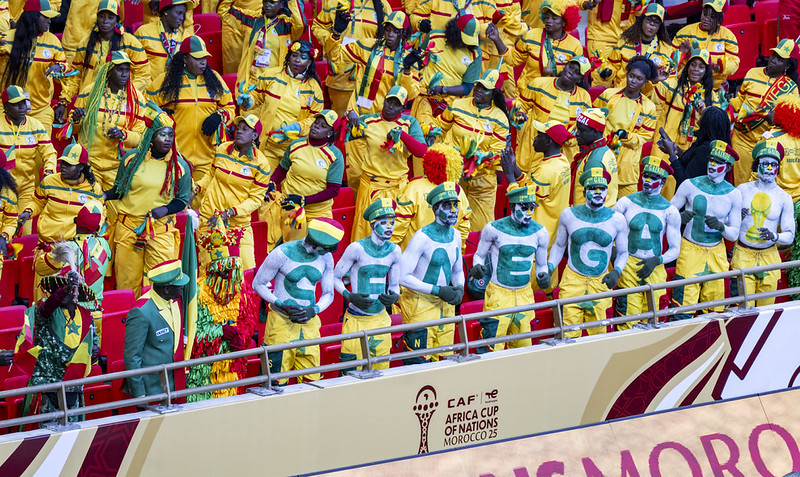
Between the visa bond, the digital surveillance requirements, and the 74 percent rejection rate, the Trump administration has made it nearly impossible for Senegalese fans and journalists to attend the World Cup.
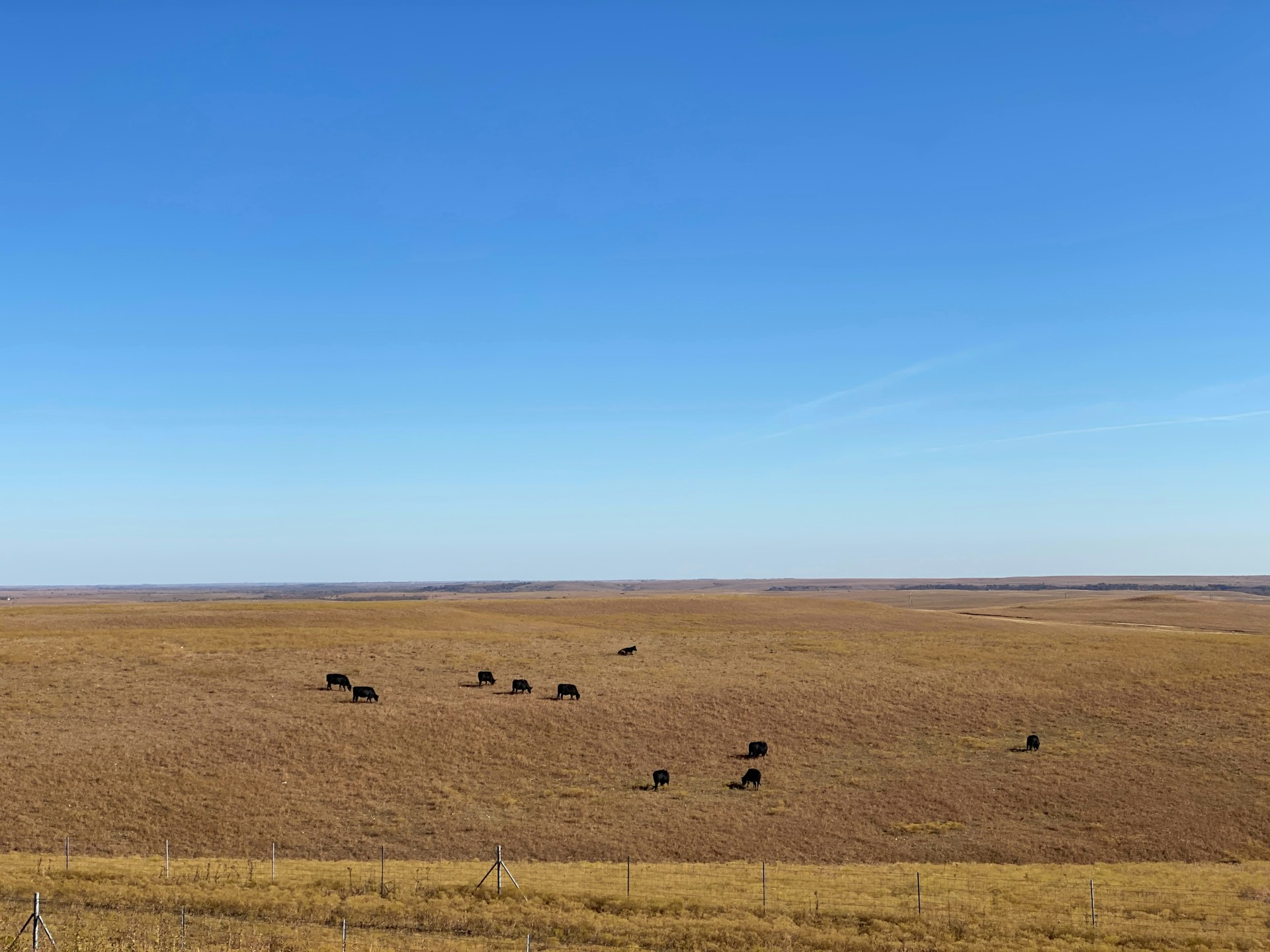
Against a tournament shadowed by visa refusals and bureaucratic hostility, the unexpected love affair between the Algerian national team and the city of Lawrence, Kansas, is a welcome reminder of what the World Cup is actually supposed to be about.
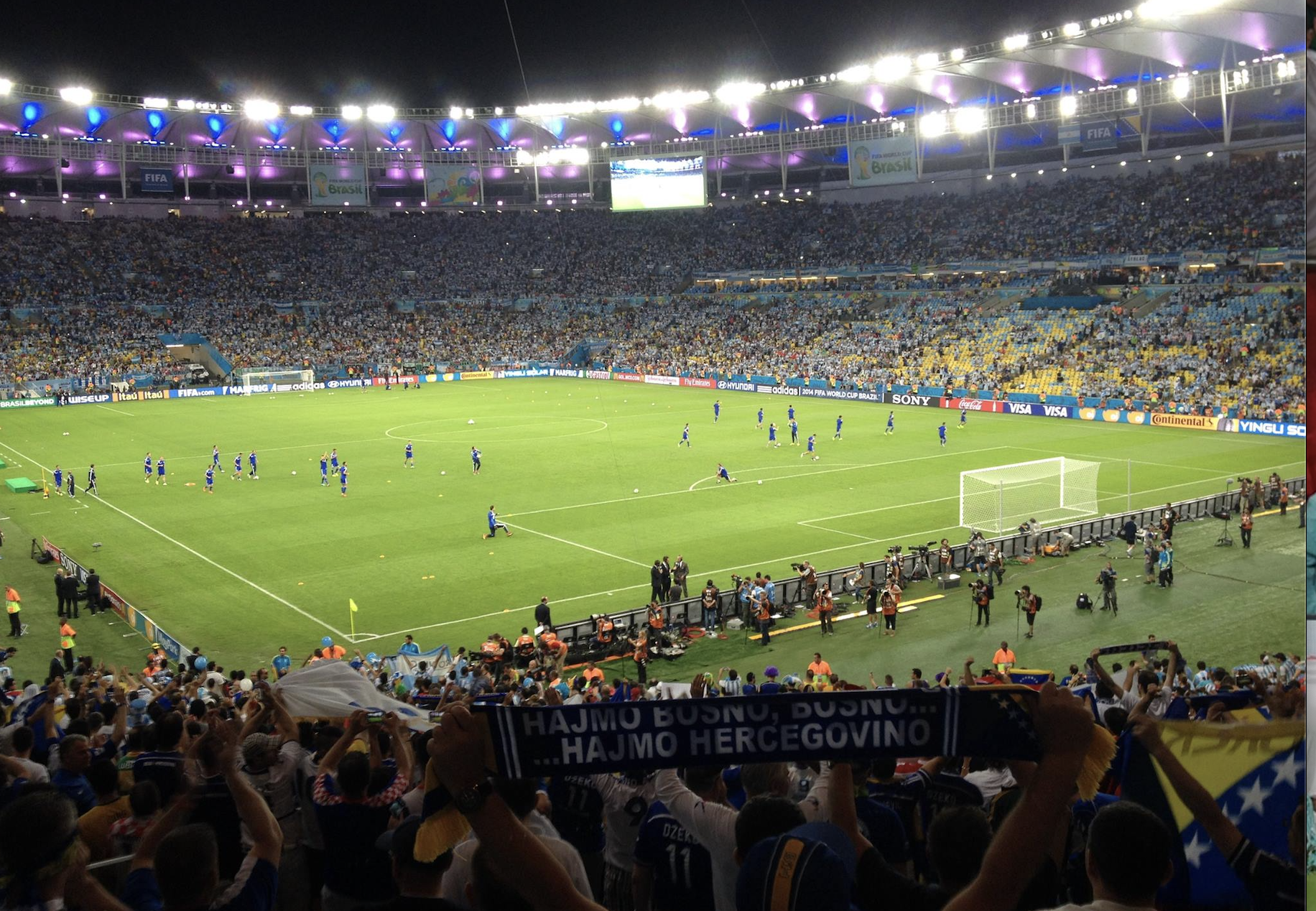
Bosnia’s World Cup squad is built on the descendants of war and displacement, players raised across Europe and North America who are finding their way back through football.
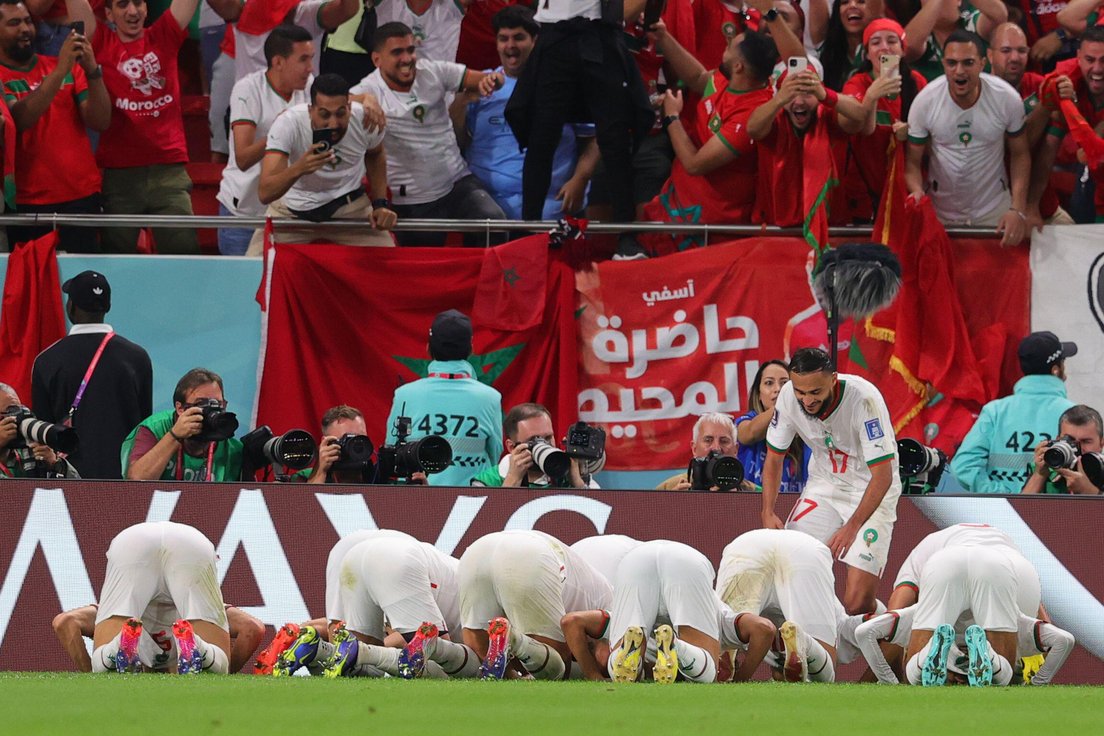
Why are the religious practices of African footballers treated as strange when athletes around the world turn to faith and superstition to navigate the game’s uncertainty?
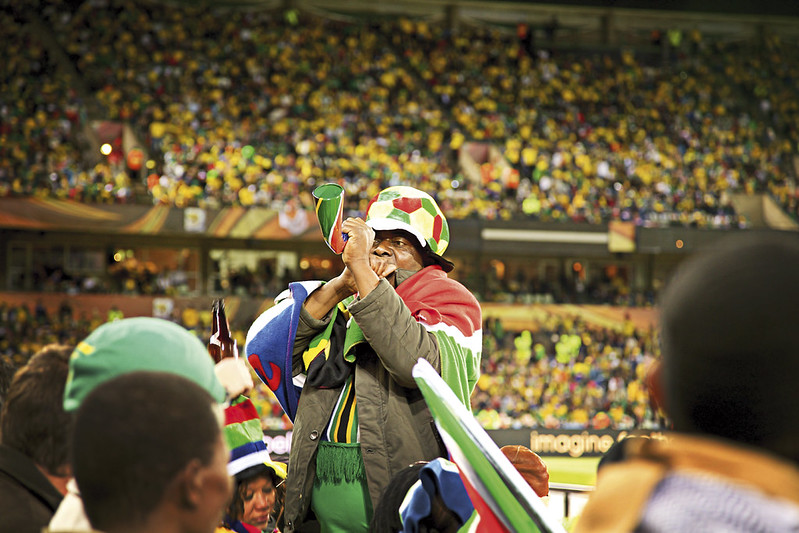
For decades, Bafana Bafana embodied the disappointments of the democratic era. As the team recovers, South Africans are once again projecting their political aspirations and fears onto the national side.
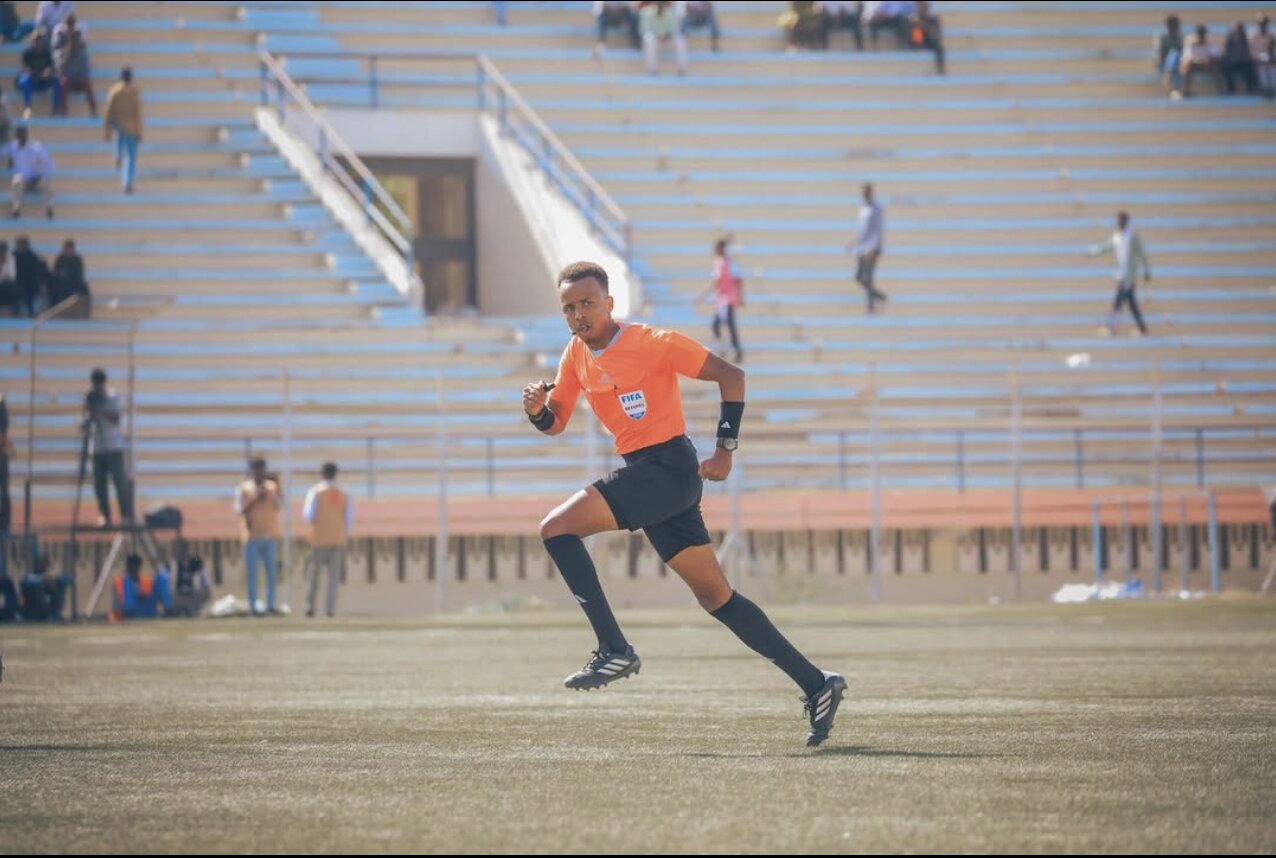
The exclusion of Somali referee Omar Artan hardens the contradiction at the heart of the 2026 World Cup: a global tournament increasingly shaped by the politics of exclusion.
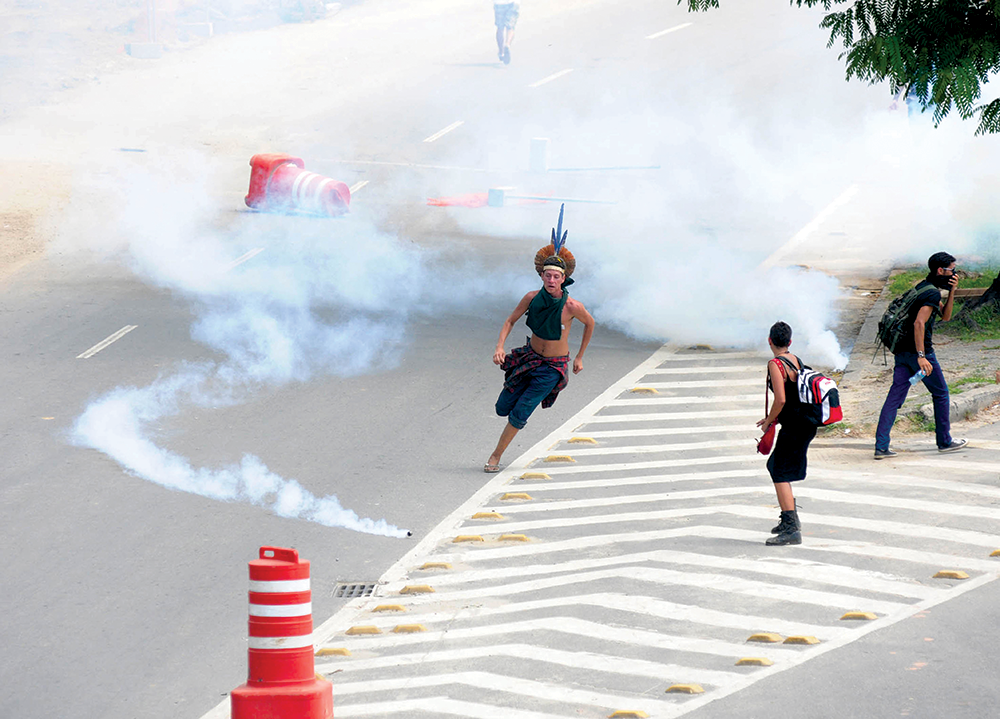
The World Cup was born from imperial rivalry and nationalist aspiration. Almost a century later, it still oscillates between mass hope and elite spectacle.
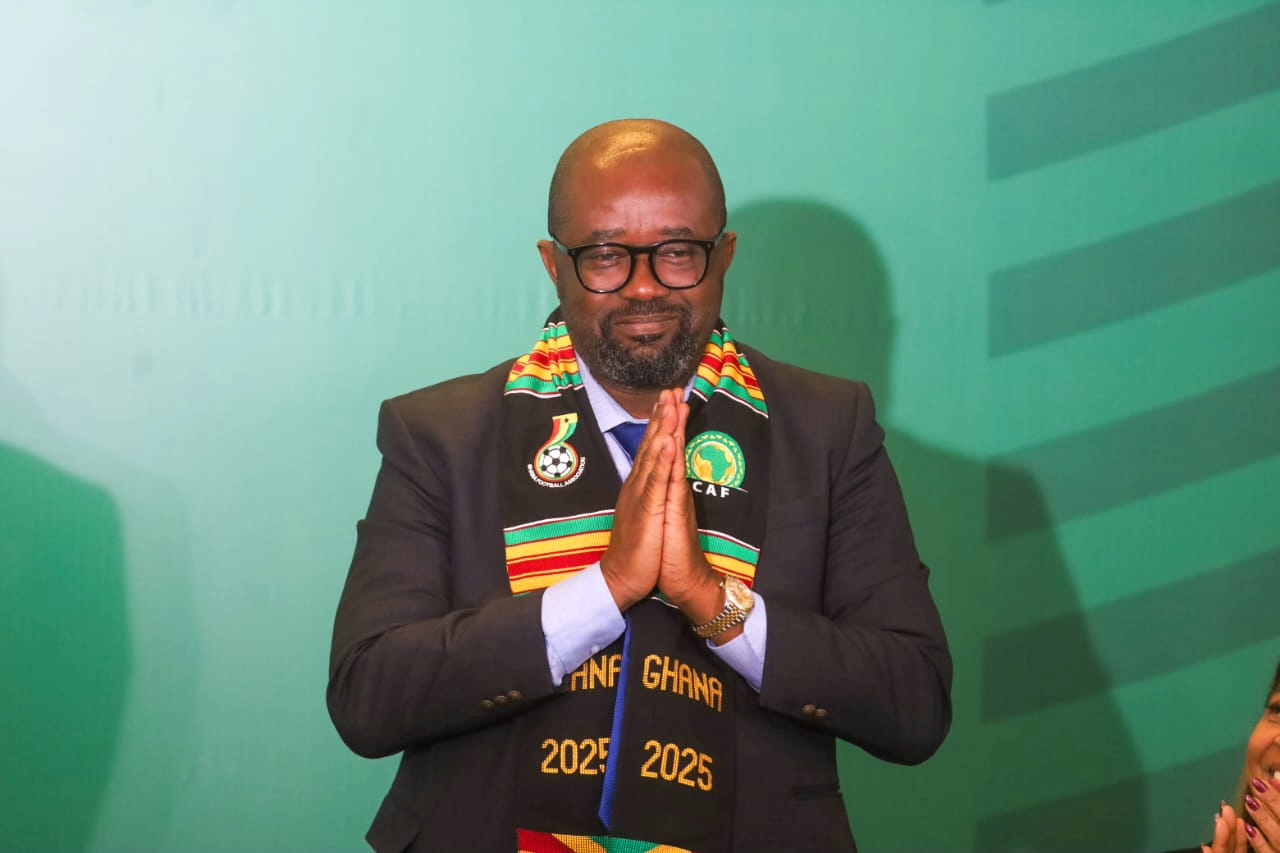
Under the leadership of the president of the Ghana Football Association, the country’s football has become a study in contradiction, combining administrative modernization with competitive decline.
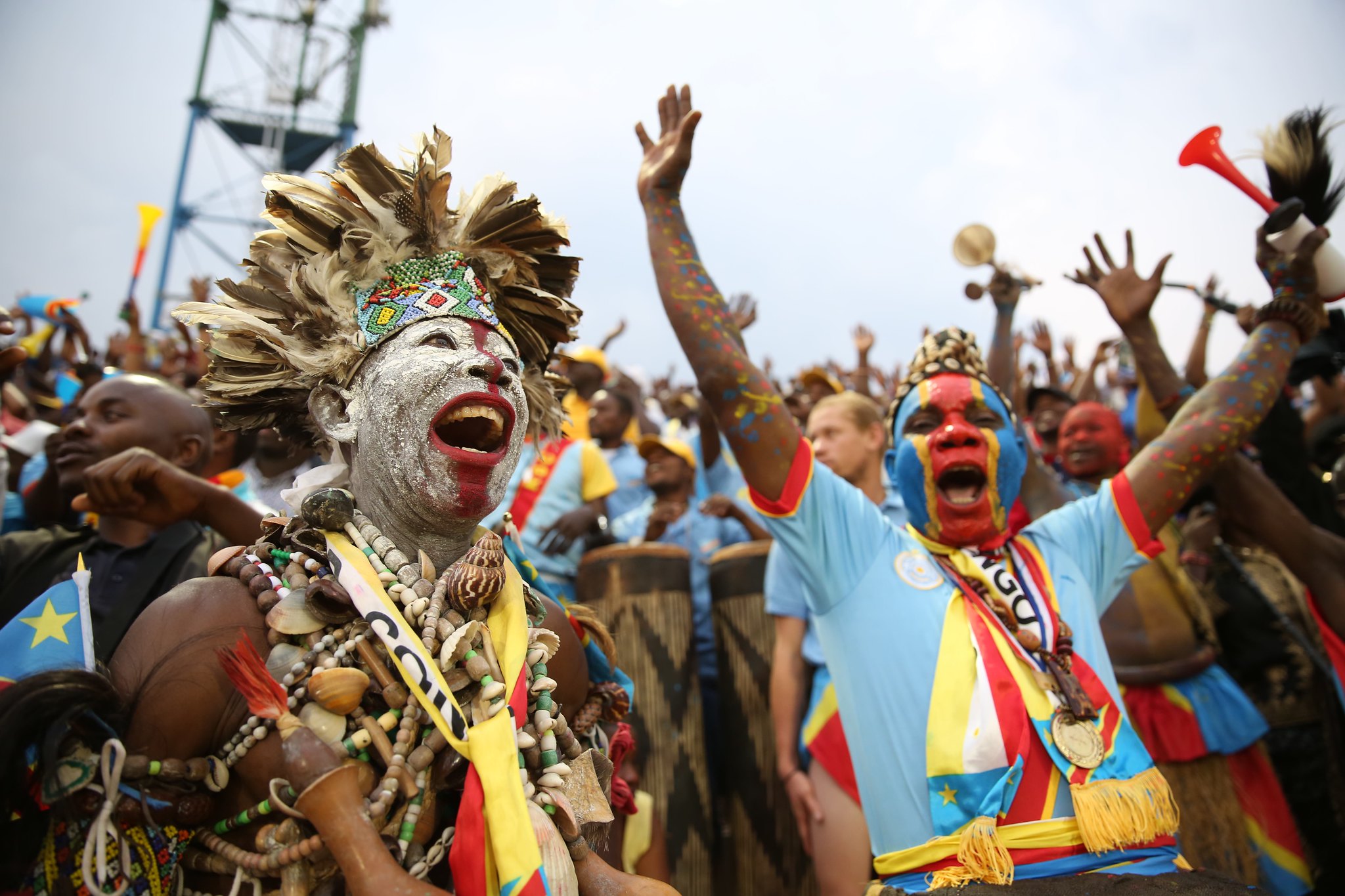
What’s in store for the Congolese national team, now that they’ve reached the World Cup?
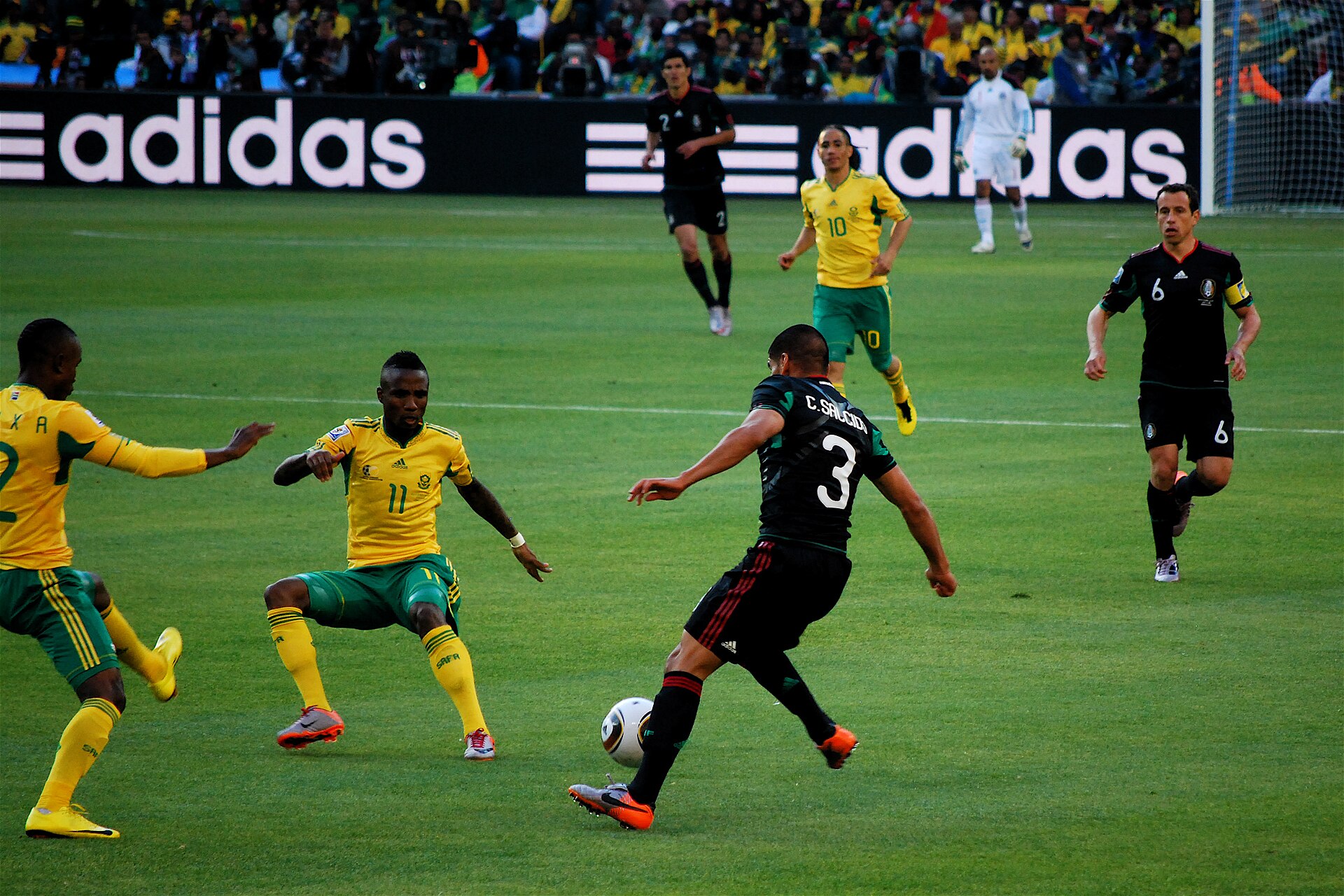
If the reception the Democratic Republic of the Congo received at the FIFA intercontinental playoffs is anything to go by, visiting African fans can expect a joyful camaraderie in Mexico.
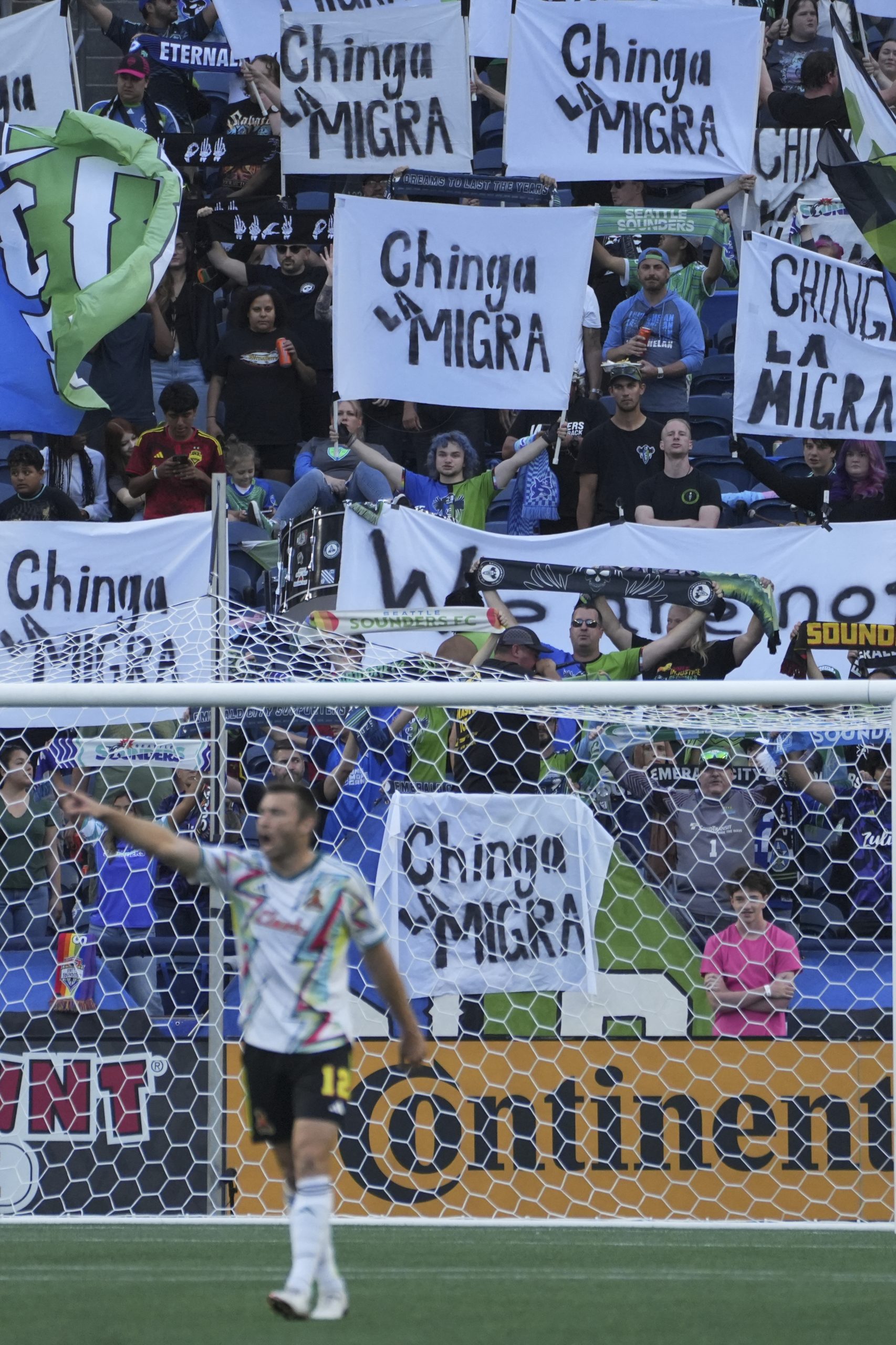
Despite commercialization and elite capture, the world’s most popular sport still generates forms of collective life that resist the logic of capitalism.
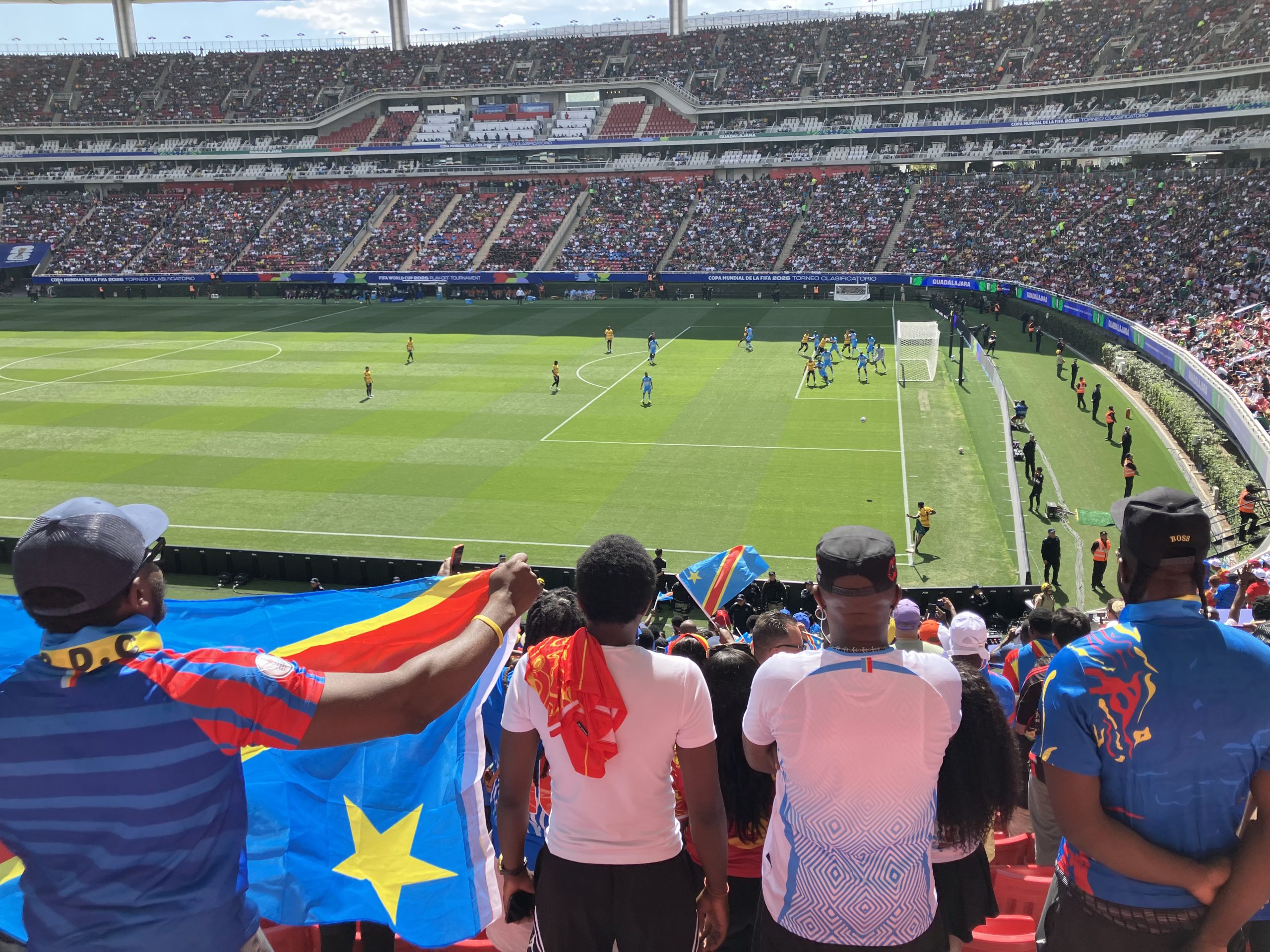
In Guadalajara, fans from three continents celebrated football together in what was a taste of a World Cup that most won't be able to afford or attend.
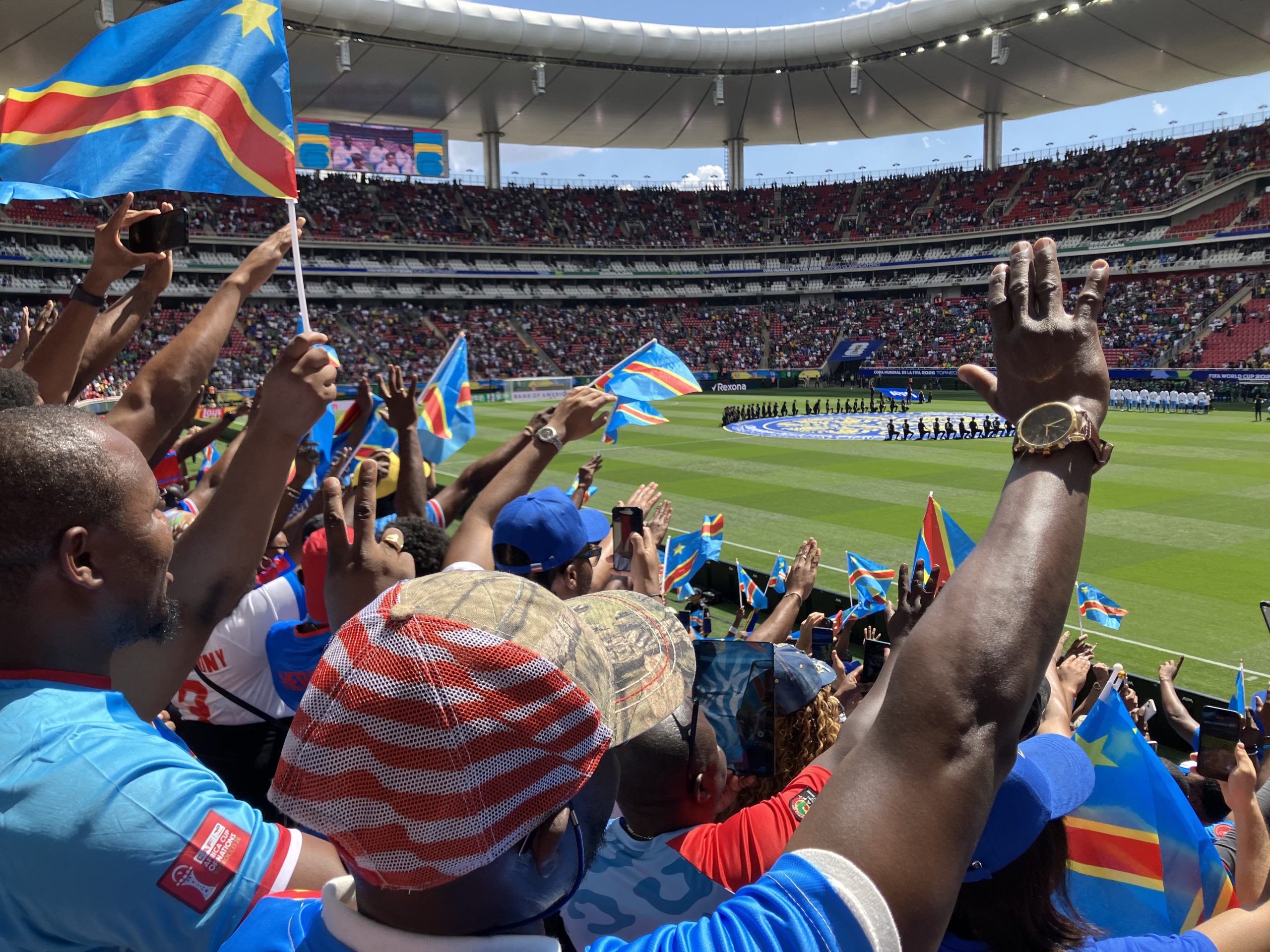
A Guadalajara, des fans venus des trois continents ont célébrer le football ensemble dans un avant-goût de ce que sera, pour eux, la Coupe du monde : une fête à laquelle ils ne pourront pas assister
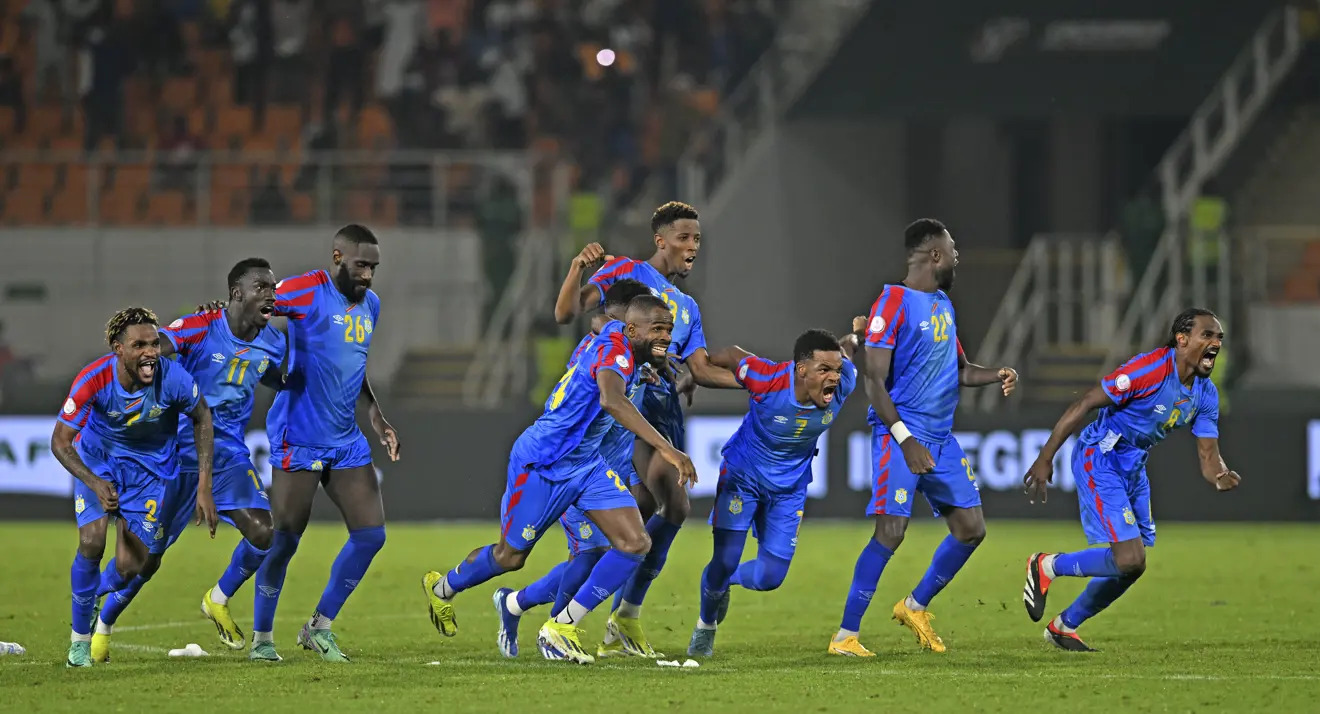
After years of heartbreak, Congolese fans are guarding their expectations ahead of a decisive play-off for a place at the 2026 FIFA World Cup.
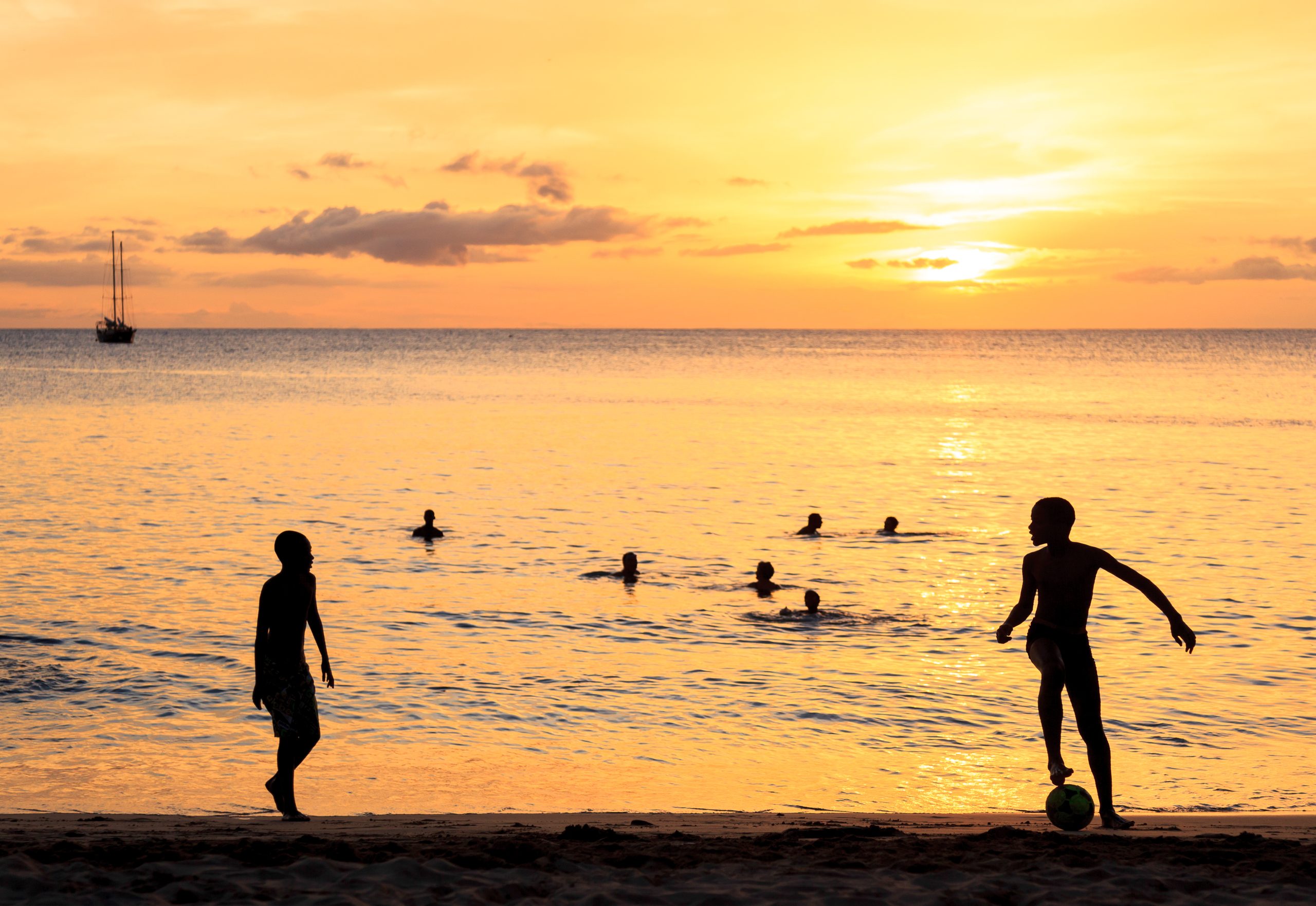
When Cabo Verde qualified for the World Cup, celebrations erupted from Praia to Rotterdam. The Blue Sharks’ rise shows how a scattered people built a global team rooted in home.
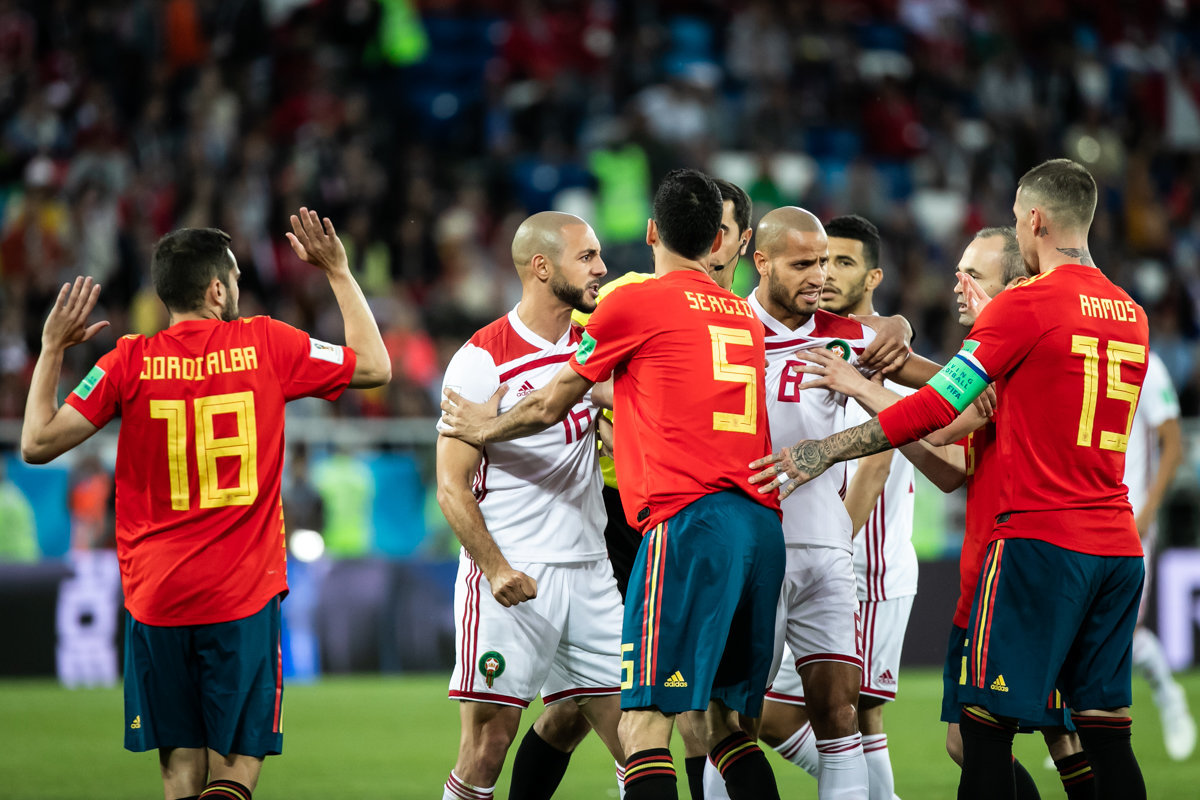
This week on the African Five-a-side podcast, we take a look at the kick off of the African qualifiers for the 2026 FIFA World Cup.