
The meaning of Omar Artan
The World Cup was meant to be the culmination of Omar Artan’s remarkable rise. His exclusion from it revealed something equally striking: the magnitude of the admiration he had earned at home and globally.
13 Article(s) by:
Faisal Ali is a journalist and writer who covers Somalia and East Africa.
The World Cup was meant to be the culmination of Omar Artan’s remarkable rise. His exclusion from it revealed something equally striking: the magnitude of the admiration he had earned at home and globally.
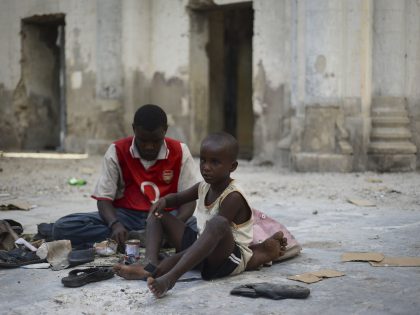
Built by Italian Fascists in 1928, Mogadishu Cathedral was meant to symbolize “peaceful conquest.” Today its ruins force Somalis to confront the uneasy afterlife of colonial power and religious authority.

Somalis have answered Trump’s latest racist tirade not with outrage but with a tidal wave of trolling.
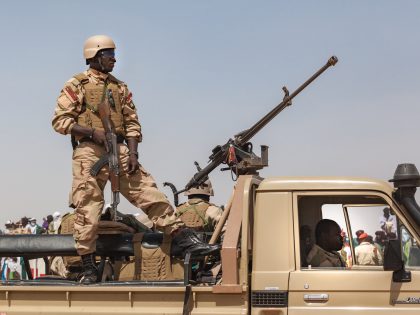
Across the continent’s new coup belt, young officers are stepping into power, casting themselves as guardians against corrupt civilian elites.
Trump’s trade war is framed as a battle with China — but its fallout is exposing just how little power African economies have in a rigged global system.
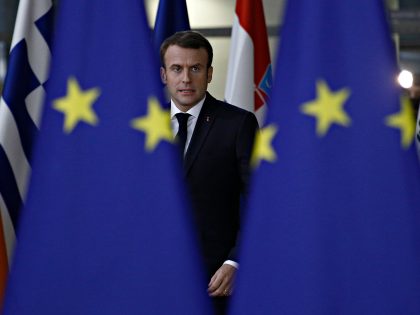
France’s president can’t stop talking, but his condescending remarks on Africa are only accelerating the collapse of French influence on the continent.

On the deplatforming of 'African Stream.'
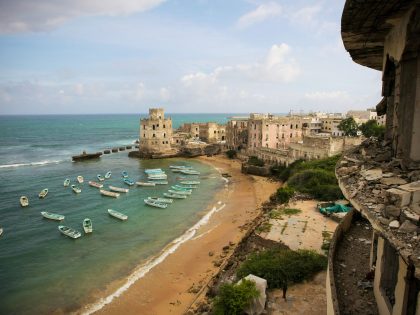
In Gaza and Haiti, the specter of another Mogadishu is being raised to alert on-lookers and policymakers of unfolding tragedies. But we have to be careful when making comparisons.
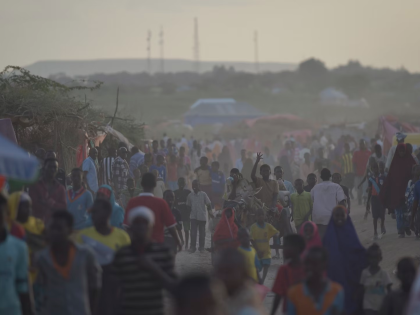
Somalia’s political landscape is increasingly fragmented due to regional and clan differences. Is this the end of the centralized state and a unified, national identity?
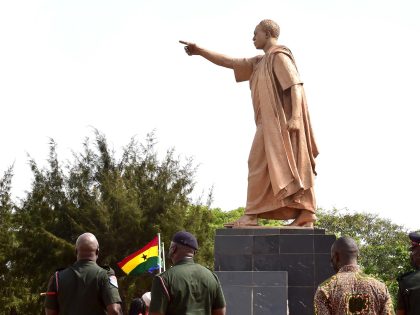
Ismay Milford’s new book takes us into the world of anticolonialism, giving us a rich account of the struggles of a cohort of activists from east and central Africa.
The award-winning Djiboutian author, Abdourahman Waberi, shares his reflections on writing, power and living with a disability.
The novelist Nadifa Mohamed complicates Britain’s troubled, racist legal history through the personal tale of one otherwise insignificant person, a Somali immigrant to Cardiff in Wales.
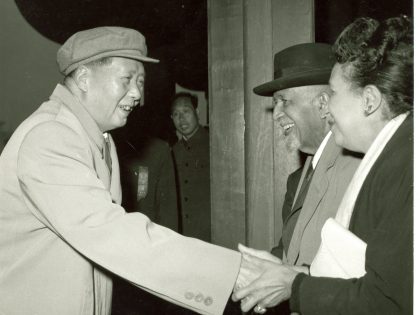
Yunxiang Gao’s new book takes a fresh look at connected lives of African American and Chinese leftist activists, artists and intellectuals after World War II.