On the Journalistic Value of Internet Map Memes
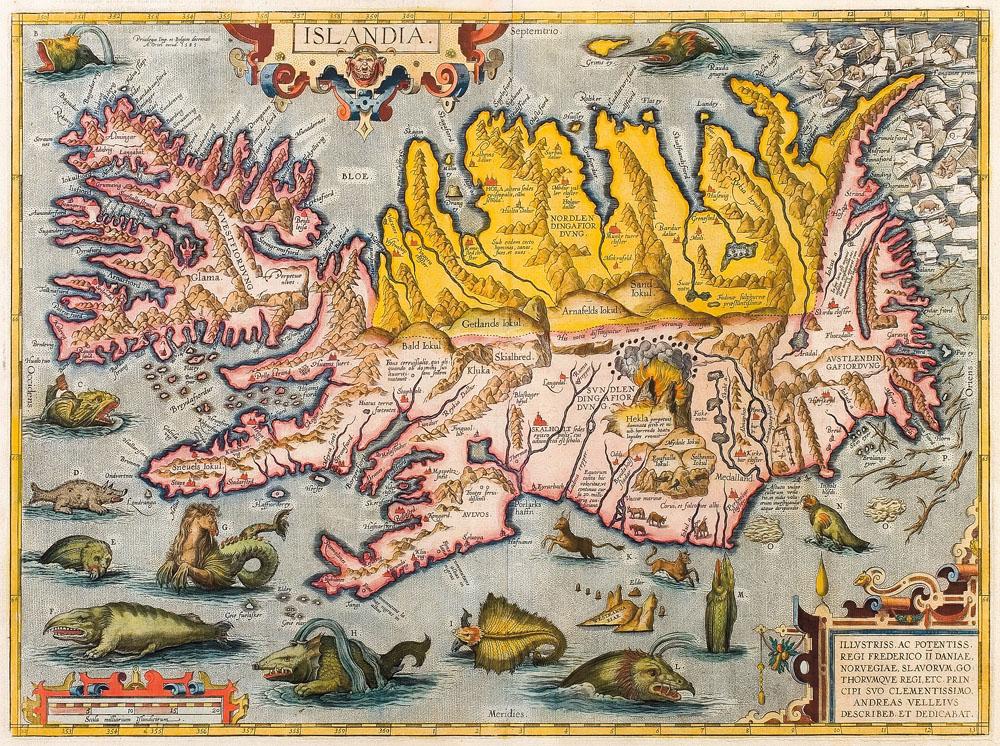
At the Washington Post, the Art of Cartography attained such Perfection that the Map of a complex issue, when color-coded in a way that reassured Americans of their innate Superiority over inferior Peoples, could always be relied upon to get way more Hits than any actual Reporting.

Before long, the Washington Post announced that it had abandoned Journalism forever. The following Generations, who liked Reporting but were not so fond of the Study of Supremacist Cartography as their Forebears had been, saw that these Maps were Useless, and not without some Pitilessness was it, that they delivered them up to the Inclemencies of Sun and Winters. In the Deserts of the West, still today, there are Tattered Ruins of those Maps, inhabited by Animals and Beggars; in all the Land there is no other Relic of the Discipline of The Cartography of Bullshit.

* With sincere apologies to Jorge Luis Borges.

Further Reading

Atayese

Honored in Yorubaland as “one who repairs the world,” Jesse Jackson’s life bridged civil rights, pan-Africanism, empire, and contradiction—leaving behind a legacy as expansive as it was imperfect.

Bread or Messi?

Angola’s golden jubilee culminated in a multimillion-dollar match against Argentina. The price tag—and the secrecy around it—divided a nation already grappling with inequality.

Visiting Ngara

A redevelopment project in Nairobi’s Ngara district promises revival—but raises deeper questions about capital, memory, and who has the right to shape the city.

Gen Z’s electoral dilemma

Long dismissed as apathetic, Kenya’s youth forced a rupture in 2024. As the 2027 election approaches, their challenge is turning digital rebellion and street protest into political power.

A world reimagined in Black

By placing Kwame Nkrumah at the center of a global Black political network, Howard W. French reveals how the promise of pan-African emancipation was narrowed—and what its failure still costs Africa and the diaspora.

Securing Nigeria

Nigeria’s insecurity cannot be solved by foreign airstrikes or a failing state, but by rebuilding democratic, community-rooted systems of collective self-defense.