
The extinction pitch
Warnings from researchers at Anthropic and OpenAI that their own products could end humanity distract from the real damage AI is already doing.
Search Result(s) for: “”
Warnings from researchers at Anthropic and OpenAI that their own products could end humanity distract from the real damage AI is already doing.
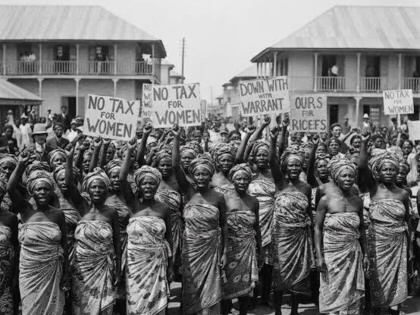
From the Women’s War of 1929 to the Anlu uprising three decades later, African women were organizing and resisting long before donors arrived to ‘give them a voice.’

A joke born from a Chief Justice’s insult grew to 22 million followers and forced out a cabinet minister in eight weeks. What does this reveal about India and about the limits of leaderless revolt everywhere?
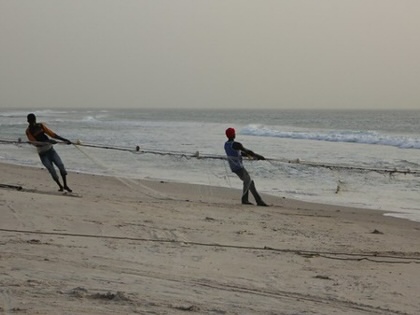
European officials are calling the EU-Mauritania migration deal a success. Here’s what the numbers don’t count.
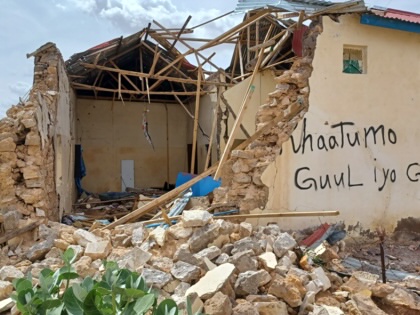
Washington’s own record of intervention in the Horn of Africa — not Mogadishu’s — is the strongest case against recognizing Somaliland now.

Kenya’s youth uprising was documented in real time through music, murals, memes, and essays. Publishing that history became an act of resistance in its own right.

Long before modern sexual identities reached the East African coast, the Swahili shoga occupied a recognized place in women’s society, until colonialism and later Western frameworks remade them.
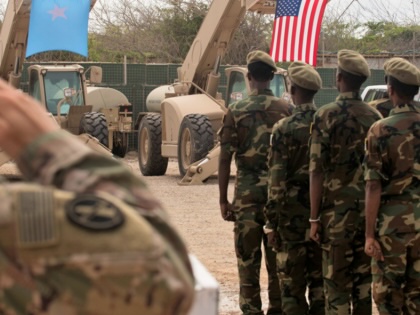
As the UN and the US pull back from Somalia’s security architecture within months of each other, Mogadishu insists it is ready. The gap between that confidence and the country’s political reality tells a different story.
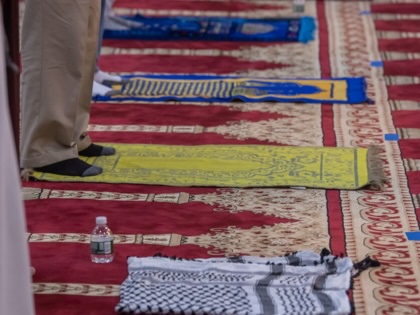
How do the struggles of one generation echo, decades later, in another’s?
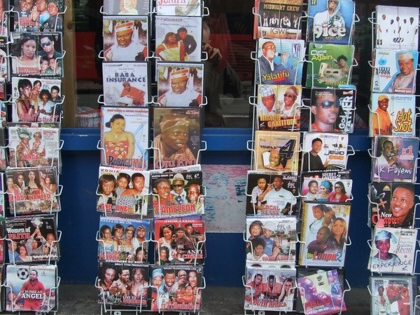
Kenneth Nnebue made 27 Yoruba-language films before Living in Bondage. Why does Nigeria still only remember the one he made in Igbo?

This publishing break, we contemplate why we’re all feeling so burnt out.

When thousands of young Moroccans stormed Ceuta last week, it was not an invasion, but the latest in a five-year pattern of coercive migration diplomacy on a border with five centuries of colonial history behind it.
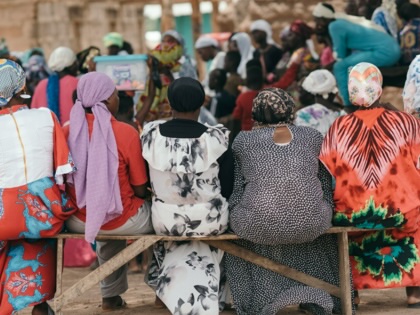
A charter twenty African governments just endorsed defends seed sovereignty and economic independence in one breath, and moves to gut abortion and queer rights in the next.
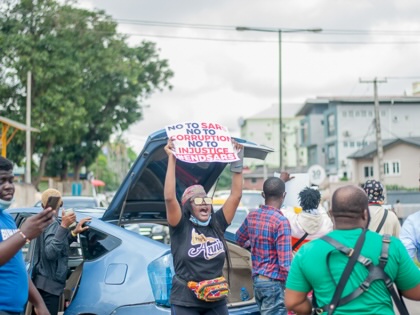
Nigeria’s anti-corruption agency secures thousands of convictions every year, but when it comes to politically-connected elites, it’s a different story.
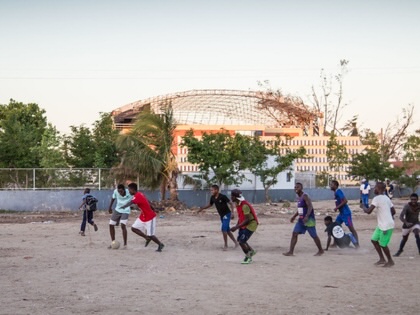
Joseph O’Neill’s new novel follows a Pittsburgh writer chasing a West African wonderkid. It’s also a story about who profits every time the world goes looking for the next Eusébio.
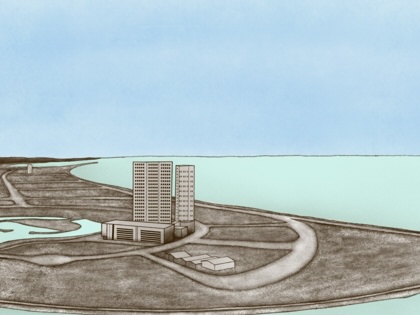
From Eko Atlantic to the Niger Delta, elite enclaves have become the defining spatial expression of Nigeria’s political order.
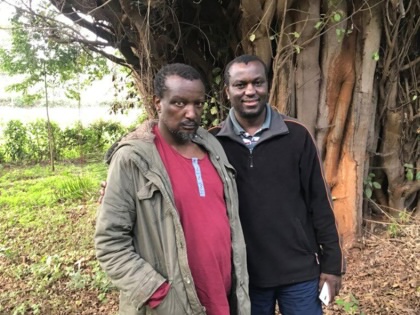
Binyavanga Wainaina was cremated in a private ceremony in 2019. In his final year, the writer kept returning to a colonial chief’s grave beneath a sacred fig tree in Nairobi — as if contemplating what remains of a life.
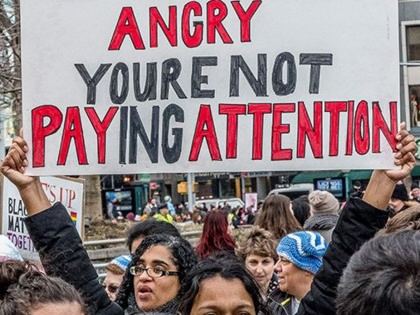
From the Epstein files to a World Cup trailed by rape charges and a hush-money settlement, the public has gotten remarkably good at feeling outrage. What it hasn’t learned is what to do with it.

Africa’s new AI factories promise digital sovereignty. Their electricity deals may instead create private power islands inside public systems.
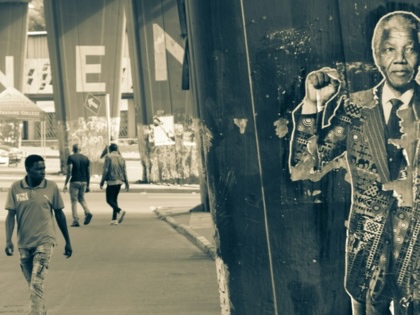
Although Nelson Mandela lacked the oratory of Nkrumah and the theory of Senghor, his contribution to the world of ideas was something rarer: pragmatism.