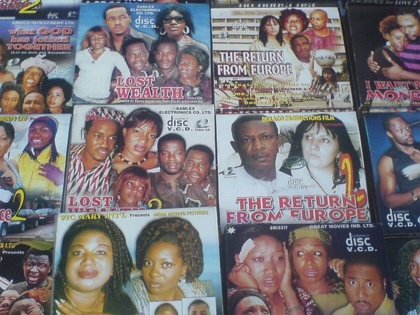
Old Nollywood 2.0
Nigeria’s biggest filmmakers are ditching cinemas and streamers for YouTube. But what looks like a new era is really a return to an old one.
Nigeria’s biggest filmmakers are ditching cinemas and streamers for YouTube. But what looks like a new era is really a return to an old one.
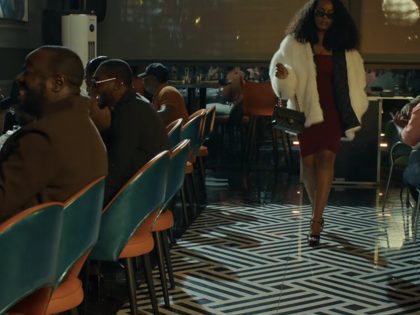
eLDee’s latest single reignited an old debate about women, money, and dating in Nigeria. But no one really chooses these gendered arrangements shaped by economic insecurity and unequal access to opportunity.
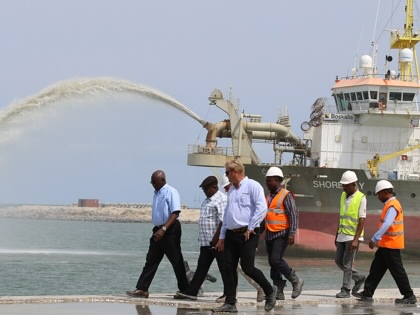
Dangote’s refinery ended Nigeria’s dependence on imported fuel and became Africa’s most important energy asset overnight when Iran shut the Strait of Hormuz. But it also became the country’s most powerful monopoly.
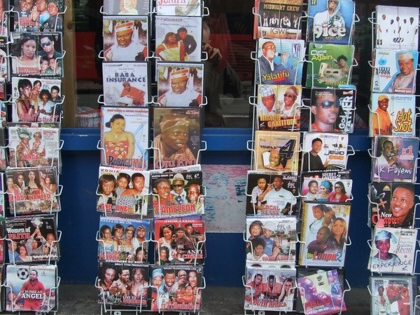
Kenneth Nnebue made 27 Yoruba-language films before Living in Bondage. Why does Nigeria still only remember the one he made in Igbo?
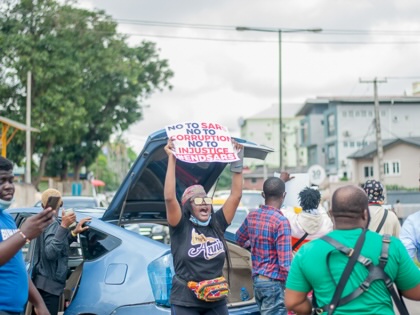
Nigeria’s anti-corruption agency secures thousands of convictions every year, but when it comes to politically-connected elites, it’s a different story.
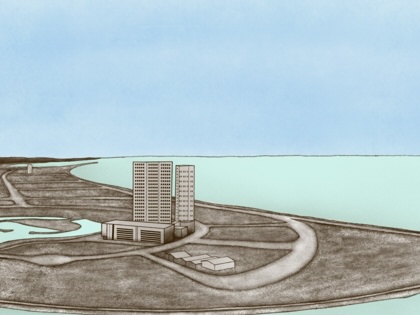
From Eko Atlantic to the Niger Delta, elite enclaves have become the defining spatial expression of Nigeria’s political order.
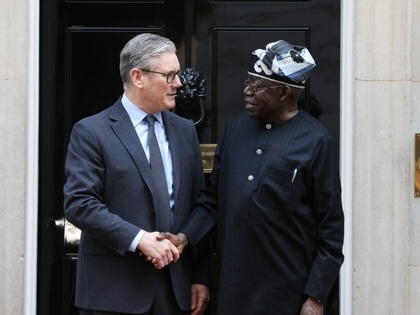
Nigeria’s democracy has become dangerously fixated on capturing the presidency. Reviving regional politics may be the country’s best hope for rebuilding democratic accountability.
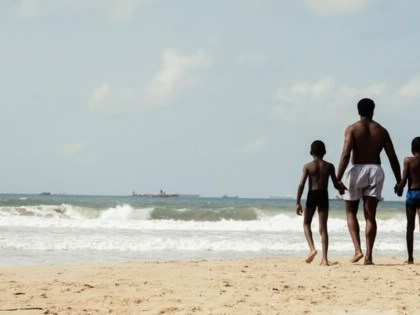
Akinola Davies Jr’s feature-length debut traces how Nigeria’s military rule collapsed the boundary between political crisis and intimate life, leaving families to bear the cost of authoritarian power.
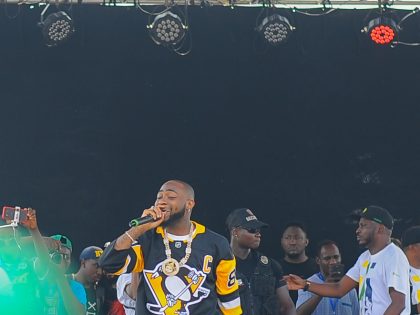
On the latest AIAC podcast, the gang from the Nigerian Scam explores how Afrobeats got globalized, who captured the value, and why the party may be ending.
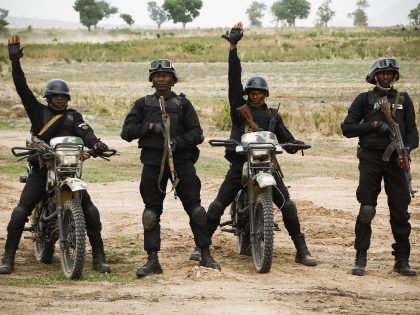
Prominent cleric Sheikh Ahmad Gumi’s calls for negotiation reflect practices already in use, but in Nigeria’s polarized digital space, nuance is punished.
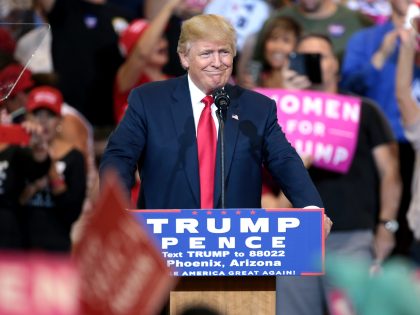
Why does the anti-Black racism of the US president have defenders in Africa’s largest Black nation?
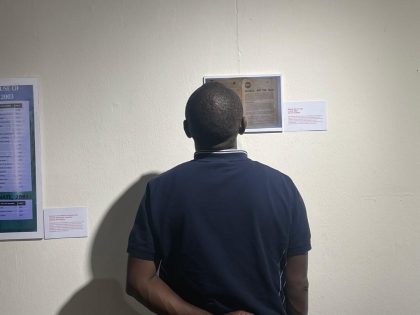
An exhibition in Ibadan recovers Nigeria’s buried history of activism, raising urgent questions about access, erasure, and whether archives can inspire new political action.
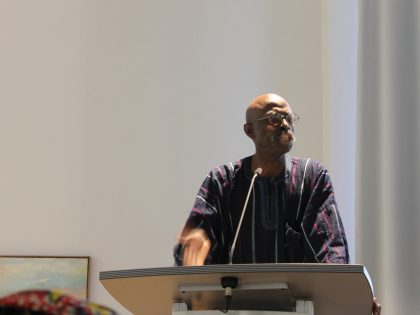
From the Nigerian Civil War to decades of Marxist organizing and scholarship, Biodun Jeyifo’s life traced a tradition of commitment — one that now passes to a new generation.
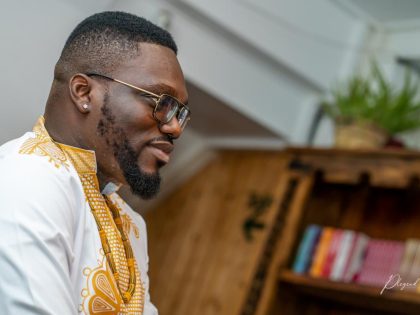
In Nigeria’s media landscape, anti-imperialist commentary captures popular anger without transforming it, turning dissent into spectacle rather than power.
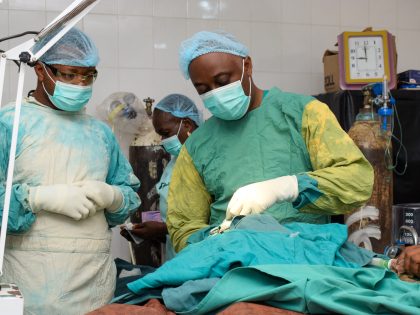
The suspension of three doctors following the death of Chimamanda Ngozi Adichie’s son has renewed scrutiny of a health-care system plagued by impunity, underfunding, and a mass exodus of medical professionals.
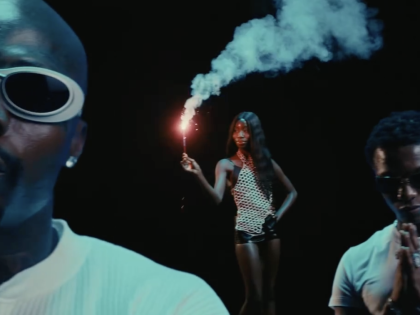
Wizkid’s dispute with Seun Kuti and the release of his latest EP with Asake highlight the widening gap between Afrobeats’ commercial triumph and Fela Kuti’s political inheritance
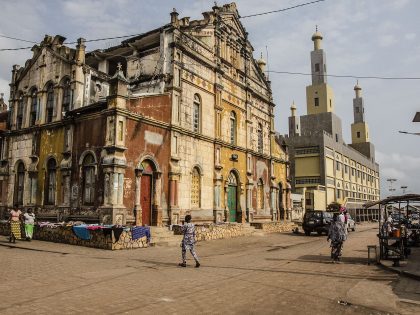
The architecture of southeastern Nigeria unsettles the neat binary between “indigenous” and “foreign.”
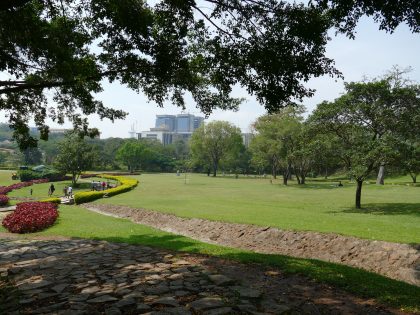
The Federal Capital Territory’s green belts were designed as flood buffers and cooling lungs. But under its current leadership, they are becoming patronage spoils.
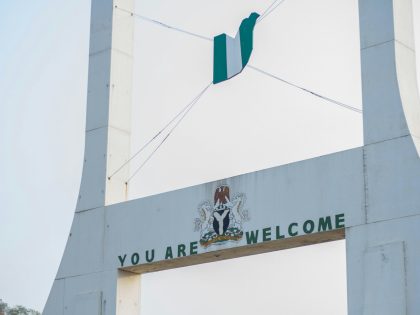
Nigeria’s insecurity cannot be solved by foreign airstrikes or a failing state, but by rebuilding democratic, community-rooted systems of collective self-defense.
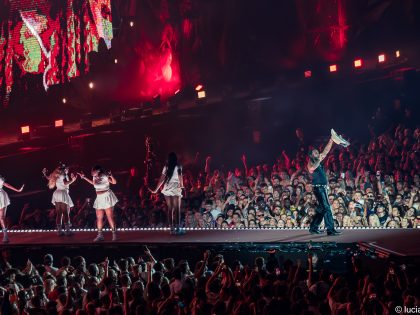
Burna Boy’s highly publicized Lagos prison visit looked like generosity, but it also looked like content. Who was it really for?