
On Safari
This publishing break, we contemplate why we’re all feeling so burnt out.
Search Result(s) for: “”
This publishing break, we contemplate why we’re all feeling so burnt out.

When thousands of young Moroccans stormed Ceuta last week, it was not an invasion, but the latest in a five-year pattern of coercive migration diplomacy on a border with five centuries of colonial history behind it.
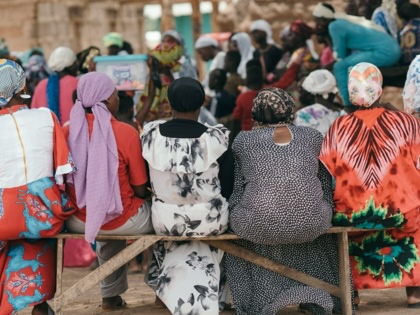
A charter twenty African governments just endorsed defends seed sovereignty and economic independence in one breath, and moves to gut abortion and queer rights in the next.
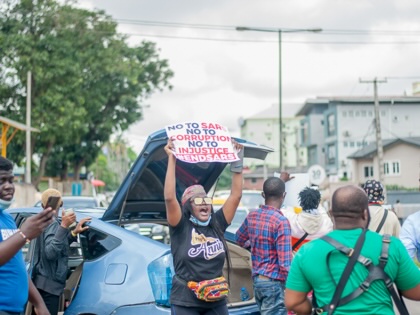
Nigeria’s anti-corruption agency secures thousands of convictions every year, but when it comes to politically-connected elites, it’s a different story.
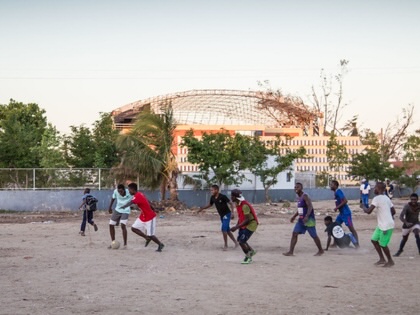
Joseph O’Neill’s new novel follows a Pittsburgh writer chasing a West African wonderkid. It’s also a story about who profits every time the world goes looking for the next Eusébio.
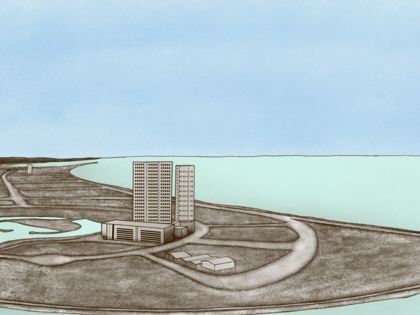
From Eko Atlantic to the Niger Delta, elite enclaves have become the defining spatial expression of Nigeria’s political order.
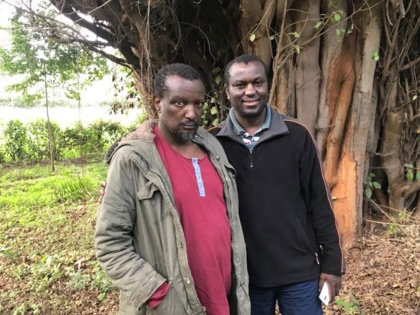
Binyavanga Wainaina was cremated in a private ceremony in 2019. In his final year, the writer kept returning to a colonial chief’s grave beneath a sacred fig tree in Nairobi — as if contemplating what remains of a life.
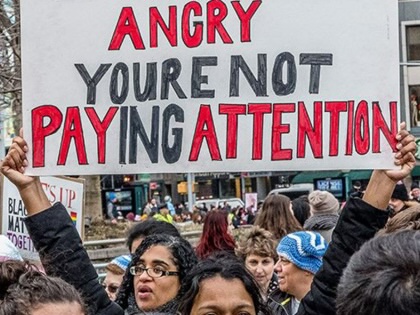
From the Epstein files to a World Cup trailed by rape charges and a hush-money settlement, the public has gotten remarkably good at feeling outrage. What it hasn’t learned is what to do with it.

Africa’s new AI factories promise digital sovereignty. Their electricity deals may instead create private power islands inside public systems.
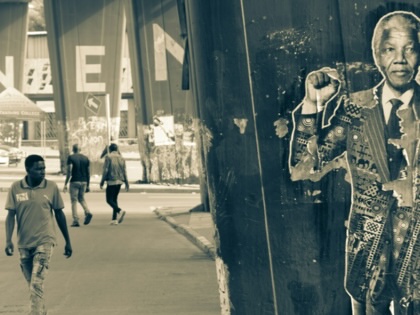
Although Nelson Mandela lacked the oratory of Nkrumah and the theory of Senghor, his contribution to the world of ideas was something rarer: pragmatism.
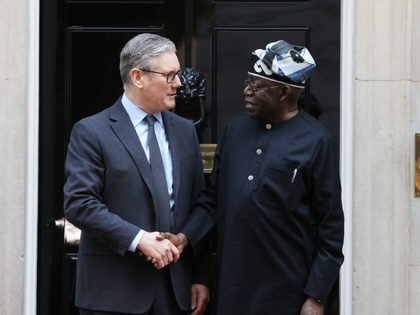
Nigeria’s democracy has become dangerously fixated on capturing the presidency. Reviving regional politics may be the country’s best hope for rebuilding democratic accountability.
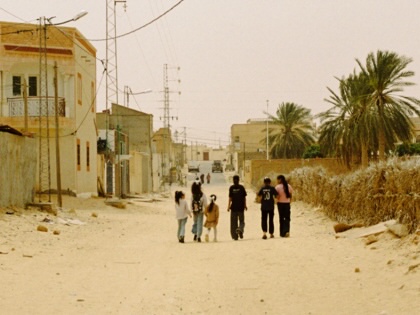
Behind Tunisia’s panicked headlines about falling birth rates is the darker demand that reproduction itself be policed in the name of racial purity.
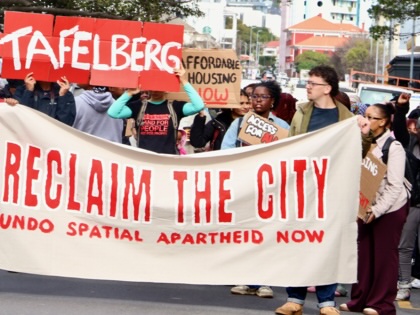
A landmark housing ruling in Cape Town and anti-migrant marches in Durban look like opposite stories. But they are two extremes of the same colonial question: who is permitted to occupy space?

From leapfrogging optimism to warnings of a new extraction economy, the frameworks now defining Africa’s AI moment will decide who gets to shape the future and who is shaped by it
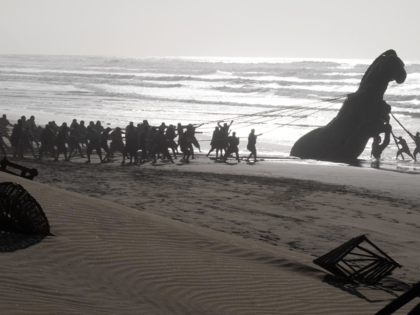
Backed by Moroccan state subsidies, Christopher Nolan’s decision to film The Odyssey in occupied Western Sahara is the latest and highest-profile chapter in a five-decade campaign to normalize colonial rule.
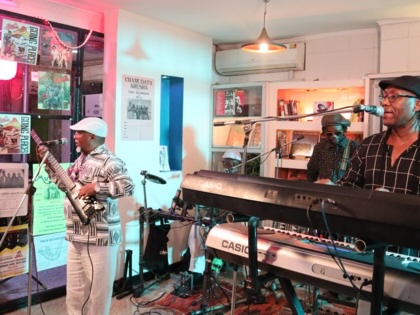
For a century, African musical heritage was recorded, boxed, and shipped to museums abroad. In Nairobi, a new generation of archives is bringing cultural memory home — and putting it online.
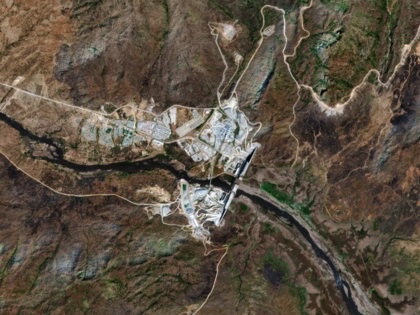
Successive debt regimes in Ethiopia have shown that external finance can protect sovereignty, finance coercion, or build development, sometimes all at once.
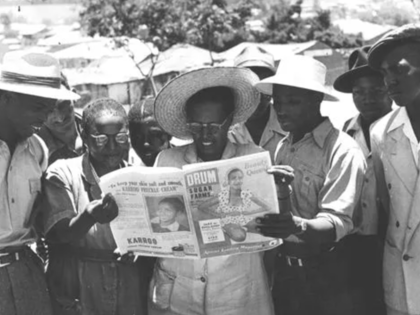
In apartheid South Africa, Drum magazine showed Black readers what it meant to be modern. But not everyone got to be modern in the same way.
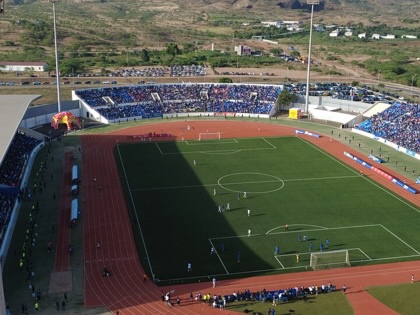
Cabo Verde’s historic run and the breakthrough performances of fellow African and Caribbean nations changed the conversation about visibility, opportunity, and the future of African football.
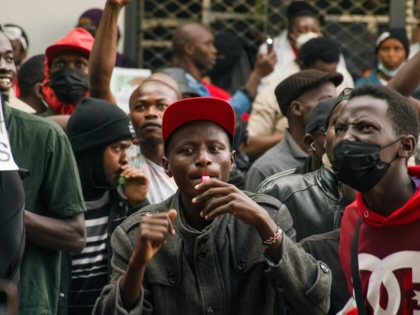
The Kenyan government’s reaction to the present moment of necessary generational disobedience resembles the way colonial regimes used to respond to the question of the “detribalized native.”