Between feminism and pan-Africanism
A charter twenty African governments just endorsed defends seed sovereignty and economic independence in one breath, and moves to gut abortion and queer rights in the next.
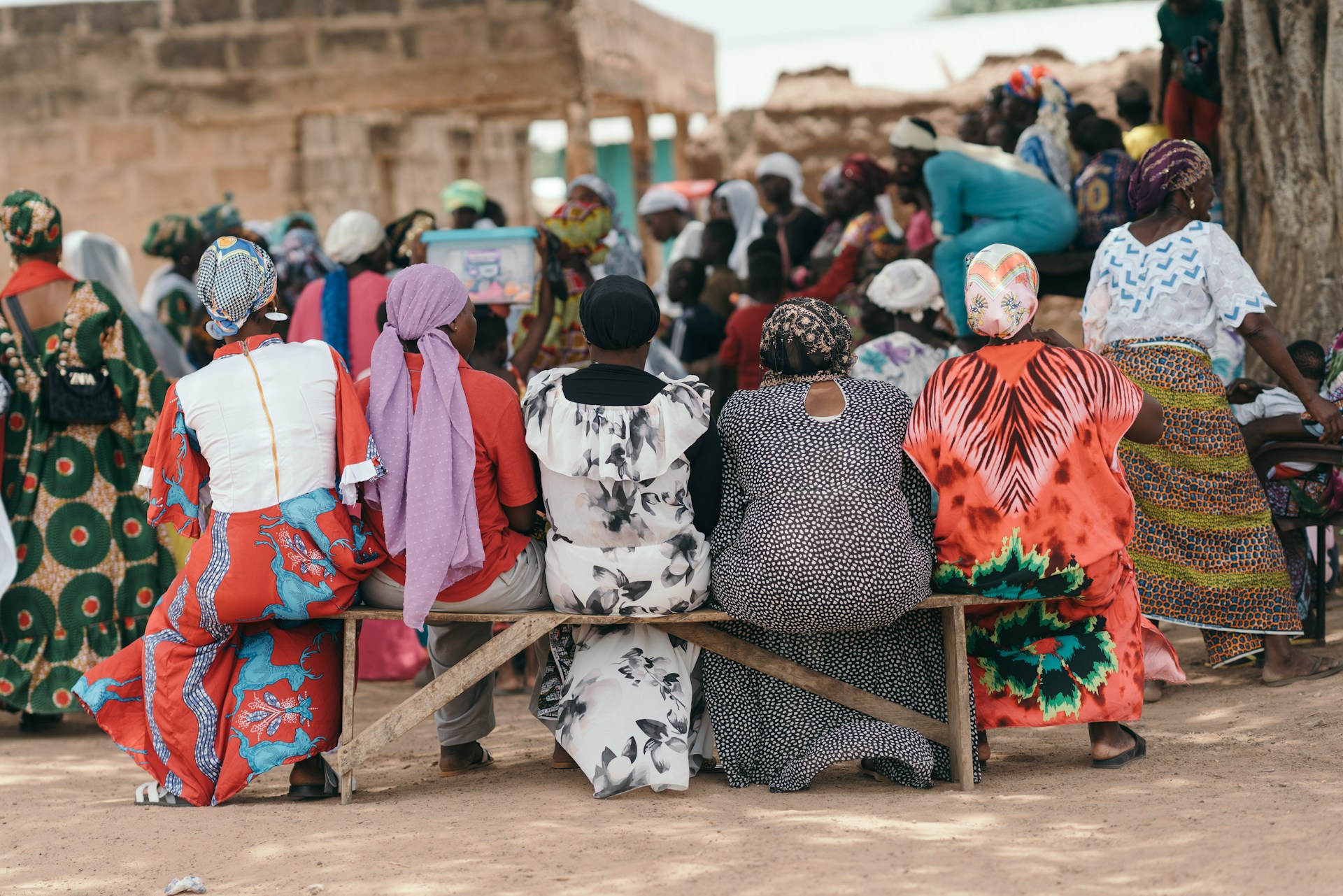
Photo by Random Institute on Unsplash.
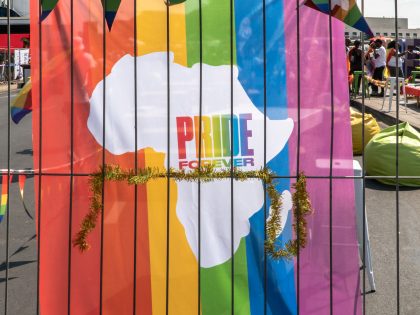
I read the draft African Charter on Family, Sovereignty and Values the way you read a letter from someone you used to trust. For pages, I was nodding, smiling even. Then I reached my own body on the page, and I understood what the document had done: it had stapled together two tenets of my life that I thought could complement each other, so that to keep one I would have to surrender the other. I always thought my Pan-Africanism gave context and legitimacy to my feminism. This charter disagrees with that.
I am a Pan-Africanist. I am also a feminist. The charter is built so those two cannot share a room.
Let me tell you about the part that got me. When the charter talks about food, it is right. Article 8 asks African states to protect indigenous seeds, to refuse uncontrolled genetically modified seed, to stop criminalizing the farmer-managed seed systems that have fed this continent for millennia, and to put real money—10 percent of agricultural spending—behind them. When it talks about natural resources, it is right again: removing tariff and non-tariff barriers to intra-African trade to address instability and slow economic growth, no more shipping out raw and buying back finished. Article 9 names the debt trap and our dependence on selling unprocessed commodities. Even its complaint about how treaties get made—the late-night sessions, the documents dumped on delegations in languages and timeframes designed to exhaust them—describes something I have watched happen to African diplomats. On seeds, on minerals, on debt, on the right of Africa to decide for Africa, the charter says things I have spent my life saying.
And then it reaches for my womb, and the same word “sovereignty” turns into a leash.
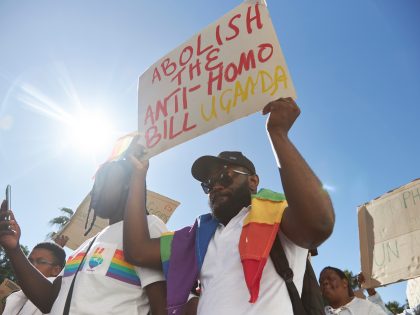
Article 4 instructs governments to “identify and repeal” any legal instrument that, by its own narrow definition, “undermines the family,” and then names what must go: abortion rights, the legalization of prostitution, the “autonomous sexual rights of minors,” anything it files under “gender ideology,” the “LGBT agenda.” Article 7, while championing the preservation of African health and traditional healing knowledge, reaffirms there is “no international right to abortion” and tells states to reject every reference to sexual and reproductive health in every agreement they touch. Read plainly, that is an instruction to gut the Maputo Protocol, the African Union’s own instrument, which lets a woman end a pregnancy that came from rape or incest, or one that will kill her mentally, financially, or physically. The charter defines marriage as a man and a woman in every legal document, gender as male or female and nothing else. This is not the protection of the African family. It is the government of African bodies.
So here is my problem, and I am not going to pretend it away: I want seed sovereignty, data sovereignty, and the Maputo Protocol. The charter tells me I cannot have all three. I do not accept the premise.
It is worth saying who is holding the staple. A document that accuses sexual and reproductive rights of being a “stealth recolonization” was drafted alongside Family Watch International, an Arizona outfit the Southern Poverty Law Center designates a hate group, whose president trains African legislators to lobby at the UN. It was championed from a State House by a president who has built his late career on the export of anti-gay law. And in its own final article, the charter lists its inspiration: the Geneva Consensus Declaration, the Pompeo/Trump-era American project whose “no international right to abortion” line it copies almost word for word. This is a declaration that Cameroon, my country, along with Uganda, Senegal, Benin, and others, all signed. The thing telling me my health is a colony is itself the import. L’ironie du sort, as francophones would say.
20 governments adopted the charter in Accra; South Africa refused, saying the text could not be reconciled with its Bill of Rights or with the equal marriage rights it grants its citizens, and it was not the only state to abstain. The full list of who endorsed has not been published. The man who hosted and keynoted the conference, who chairs the Conference of Speakers and Presidents of African Legislatures (COSPAL), the continental body now asked to adopt the charter, is the same Speaker who sent Ghana’s own anti-rights bill back for a tidier revote. When a text that claims to speak for the aspirations of African peoples cannot open its own guest list, you have learned something about whose will it is.
I don’t have the solution, and that much honesty is owed. But I know what I will not do, which is let women and queer Africans become the tax we pay for the continent’s dignity. Banning gain-of-function research and toxic pesticides has never required policing a queer African’s body. Owning our minerals has never required a woman to die of a pregnancy we had the law to end. These things should not be in tension. Someone needed them to be, so that I would trade one to win the other.