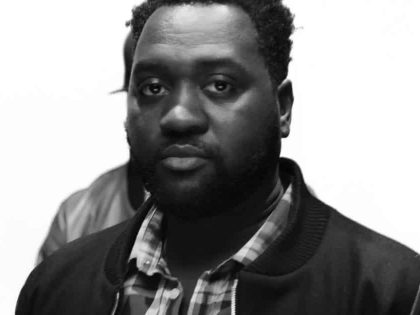
Fathers, men and brothers
The third in my series of musical breaks from Paris, France, features L'Algerino, Nessbeal, Corneille and La Fouine.
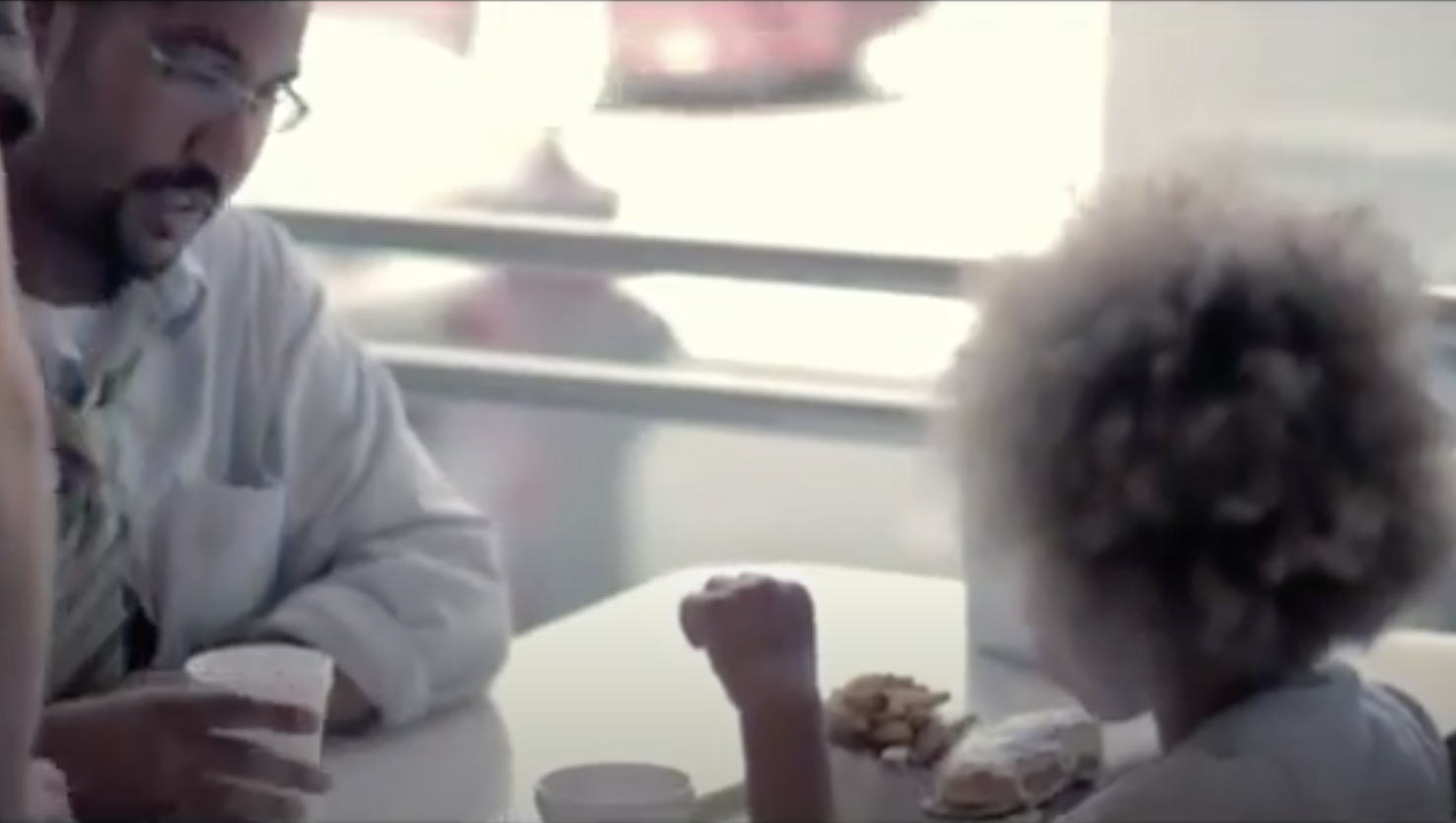
Still from “Des peres, des hommes et des frères.”
This is number three in this series where I mine my friends back in Paris’s playlists. I live in Brooklyn, NY, these days and Sean asked me to do a regular post about the music back home.
One of my favorites Corneille with “Des peres, des hommes et des frères” (fathers, men and brothers), featuring who else but La Fouine. (You’ll remember La Fouine also from last week. He just won best French artist at the MTV Europe Music Awards 2011 held in Belfast. (He was up against David Guetta, Martin Solveig, Soprano and Ben l’oncle Soul.) La Fouine has finally been crowned French artist of the year.
Last week I featured “force et honneur,” the first single of rapper Nessbeal’s new album “Sélection Naturelle” (out tomorrow). This week, I highlight the song “Soldat,” which includes the lyric: “Capitalism in the suburbs killed us it’s getting worse and worse.”
Mister You and Colonel Reyel continue the black-Arab musical alliance (this time specifically Guadeloupe and Morocco) over playstation and an apartment filled with beautiful people.
Finally, L’Algerino, who is as his name suggests of Algerian descent. On “Avec le sourire,” off his new album C’est Correct” – it debuted November 14th. Over a sweet rhythm, he calls out far right French politician Marine le Pen. Her party, the Front National, is obsessed with immigration, especially by people of African and Arab descent. The moment was started by her father, Jean-Marie, who started the party, fought in France’s very violent colonial war in Algeria. Marine is running for president. In the song, L’Algerino sings “Oh Marine, we’ll have your skin” followed by a line appealing for French unity: “We will form one heart, one body, one flag / Message from France from below for France from above.” Now, the youth movement of the Front National is not amused of course.