Rankin does South Africa
British fashion photographer Rankin sets out on 'his own personal journey' to understand South Africa. The result is actually quite good.
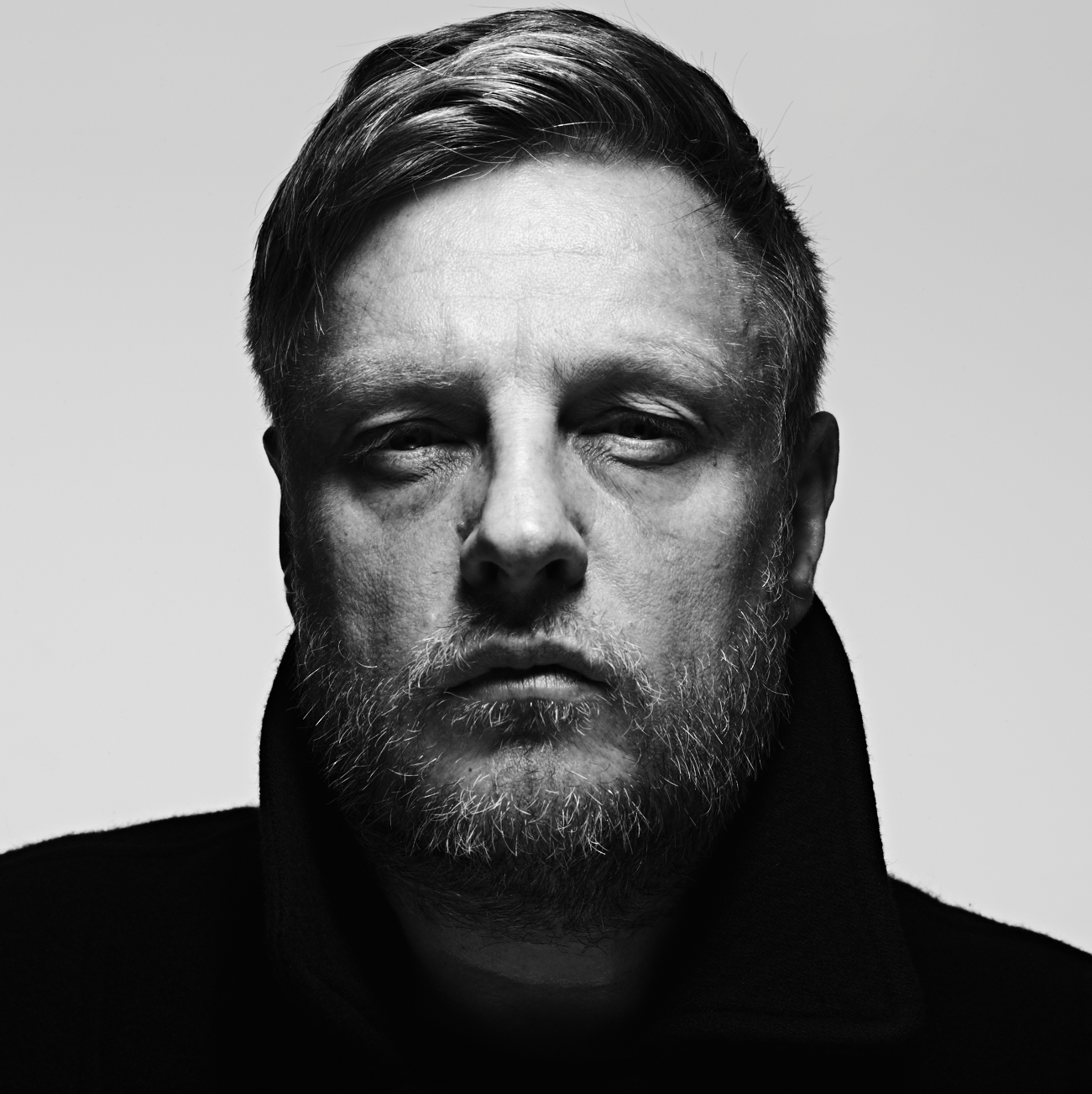
Rankin (Wiki Commons).
With the 2010 World Cup in South Africa upon us, the BBC is whetting audience appetites through special programming called the “Wonderful Africa Season“. It is billed as “a wide ranging season of films looking at the arts and culture, life and landscape of Africa in advance of this year’s World Cup” and as might have been expected, a lot of the programs focus on South Africa. Some highlights include a celebration of Hugh Masekela’s 70th birthday, called ‘Welcome to South Africa’ and the stimulating ‘Tutu Talks’ in which the Archbishop assembles panels of experts to discuss topics such as development aid from the West, gender rights and whether religion is a help or a hindrance to African development.
A pleasant surprise was the documentary ‘South Africa in Pictures’, in which the British fashion photographer Rankin sets out on ‘his own personal journey’ to understand South Africa through the eyes of some of the country’s leading photographers. His journey includes interviews with the culture/fashion photographer Nontsikelelo Veleko, the documentary photographer without equal David Goldblatt and he pays the obligatory homage to the Bang-Bang Club, the white South African photography crew who built their fame (or is it infamy) photographing township political violence in the early 1990s. The photographers Greg Marinovich and Joao Silva represent for the Bang Bang Club.
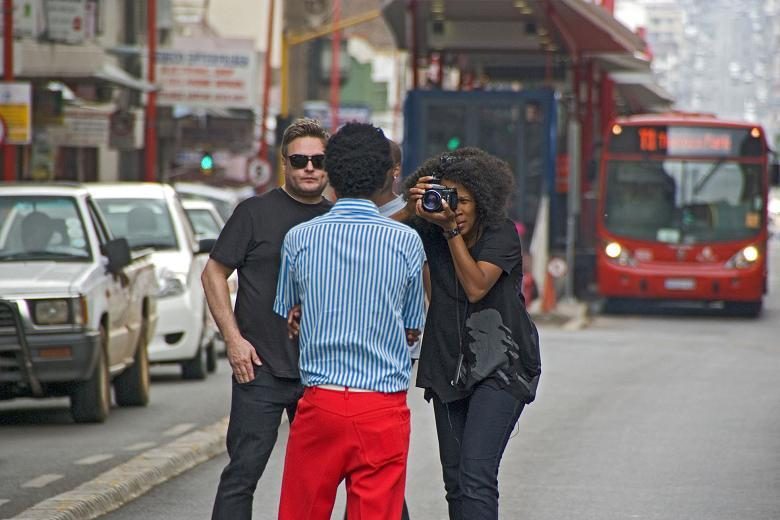
I expected another touristy puff piece, but was surprised by Rankin’s openness, his rapport with fellow photographers and the enthusiasm with which he devoured a range of topics – from the highly stylized studio photographs sent home by migrant laborers in the 1960s, the harsh memories as well as the social contradictions of the apartheid era, the youth fashion movement called Smarties, and even literally immersing himself in a river with Marinovich to record a river baptism outside Johannesburg. And as you may expect, the documentary itself is beautifully filmed.
Catch if it you can this Sunday on BBC Four at 23.30, or on iPlayer, if you have access.