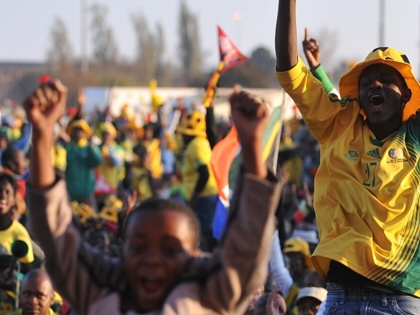
Celebrating from a divided country
Bafana Bafana’s World Cup exploits has South Africans chanting “No DNA, just RSA!” But against a rising tide of xenophobia, what South Africa are we actually rooting for?
Bafana Bafana’s World Cup exploits has South Africans chanting “No DNA, just RSA!” But against a rising tide of xenophobia, what South Africa are we actually rooting for?
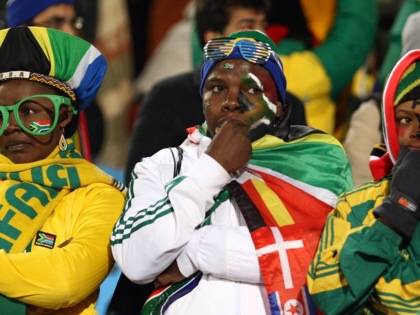
Some African football fans have been hate-watching Bafana Bafana at the World Cup because of South Africa’s anti-migrant politics. The team’s apolitical stance has left them without a defense.
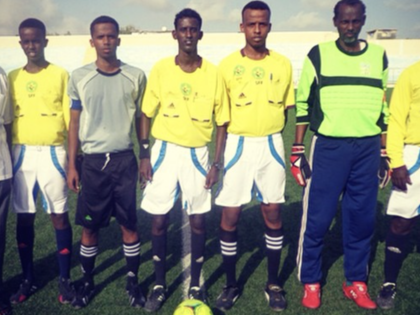
The World Cup was meant to be the culmination of Omar Artan’s remarkable rise. His exclusion from it revealed something equally striking: the magnitude of the admiration he had earned at home and globally.
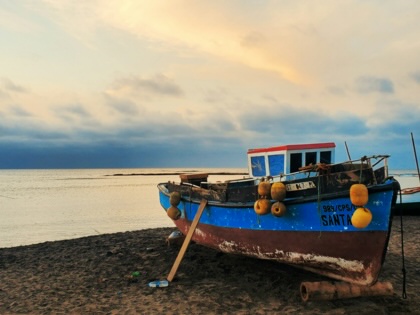
Cabo Verde’s national team is at the World Cup for the first time in their history. To understand why they might surprise everyone, you need to understand morabeza.
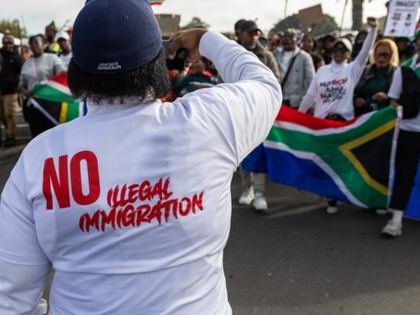
The leaders of South Africa’s anti-migrant movement claim that Black African migrants are primarily responsible for unemployment, crime, and failing public services. None of these claims is supported by evidence.
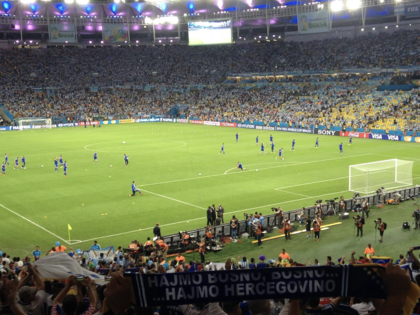
Bosnia’s World Cup squad is built on the descendants of war and displacement, players raised across Europe and North America who are finding their way back through football.
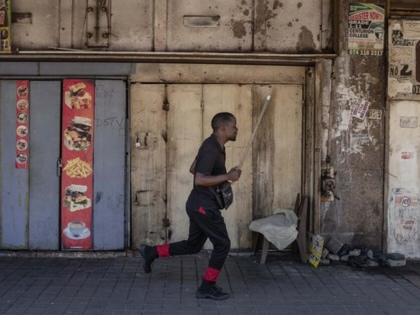
In South Africa, one of xenophobia’s quieter moral mechanisms is the way foreign wrongdoing is made to carry more meaning than citizen wrongdoing.

In Johannesburg’s Jeppe precinct, what looks like disorder is in fact a dense, transnational system of trade, labor, and survival at the heart of the global economy.
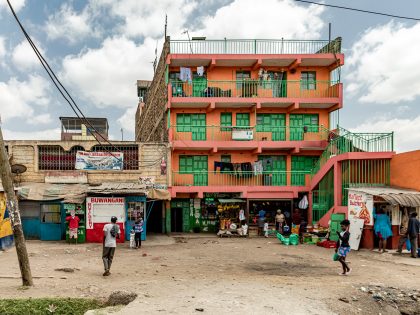
In Nairobi, migrants face not just national frontiers but invisible barriers in policing, housing, and work.
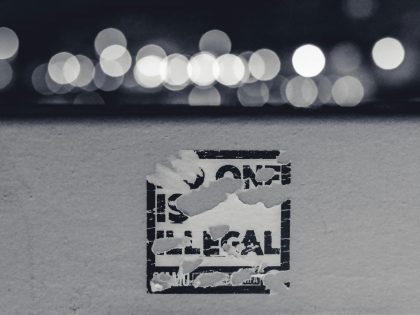
France’s mass deportation orders reveal how colonial logics persist in migration policy, turning former subjects into administrative problems to be expelled.

Somalis have answered Trump’s latest racist tirade not with outrage but with a tidal wave of trolling.
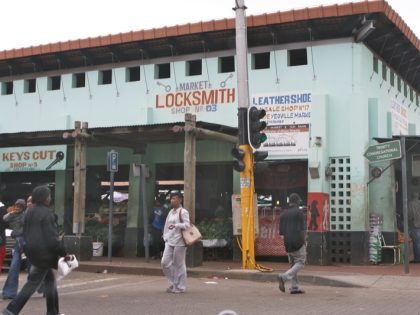
From indirect rule to Operation Dudula, the lines dividing citizen from stranger trace back to the way empire organized identity and labor.
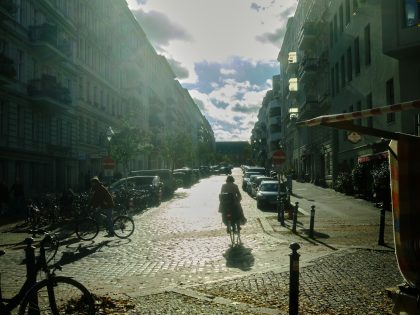
At the 13th Berlin Biennale, works from Zambia and beyond summon unseen forces to ask whether solidarity can withstand the gaze of surveillance.

Trump’s deportation regime revives a colonial blueprint first drafted by the American Colonization Society, when Black lives were exiled to Africa to safeguard a white republic.

Donato Ndongo’s latest collection of short stories portrays African exile and diaspora in Spain and France.
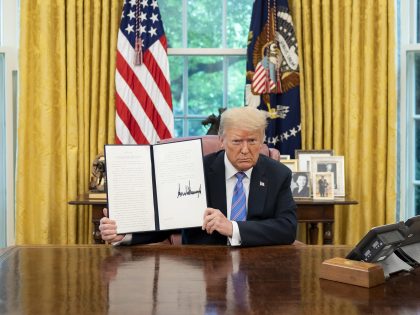
The US president’s executive order on South Africa isn’t about fairness — it’s a cynical ploy to stoke racial paranoia and shore up his right-wing base.
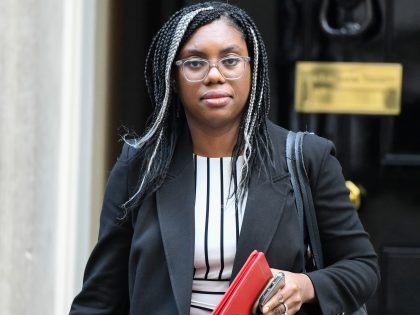
The UK Tory leader distances herself from Nigeria, embracing colonial narratives while rejecting solidarity with a nation grappling with neocolonial realities.
African postcolonial cinema serves as a mirror, revealing the limits of escape — whether through migration or personal defiance — and exposing the tensions between dreams and reality.
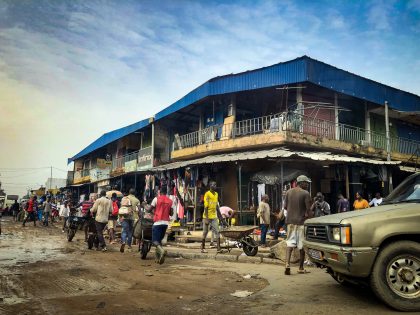
One country is Anglophone, and the other is Francophone. Still, there are between 1 to 4 million people of Nigerian descent living in Côte d'Ivoire today.
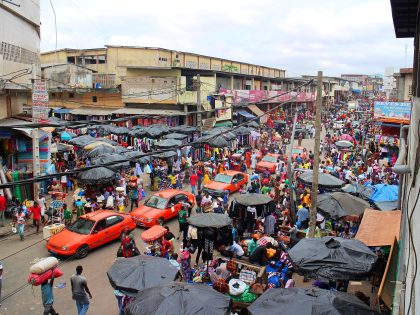
Un pays est anglophone et l’autre est francophone. Quoi qu'il en soit, entre 1 et 4 millions de personnes d'origine nigériane vivent aujourd'hui en Côte d'Ivoire.