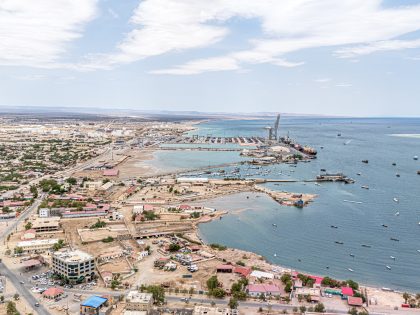
After the subcontracting state
The withdrawal from the port city of Berbera by regional powers distracted by war, marks the end of an external system that managed the Horn of Africa—and the beginning of a deeper structural collapse.
The withdrawal from the port city of Berbera by regional powers distracted by war, marks the end of an external system that managed the Horn of Africa—and the beginning of a deeper structural collapse.
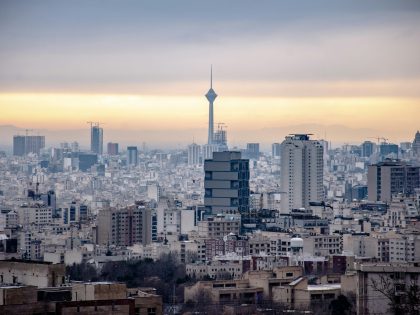
Israel’s campaigns in Gaza, Lebanon, and Iran are not discrete crises but interconnected fronts in a broader project of regional dominance.

Between imperial narratives and state propaganda, debates about the war on Iran often erase the diversity of Iranian society and the voices of its marginalized communities.
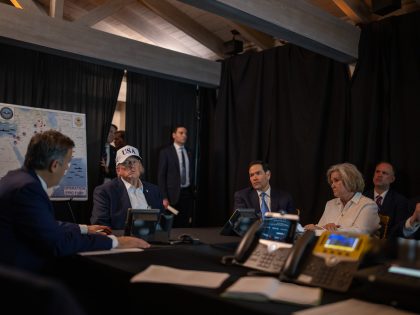
The US-Israeli war on Iran is the latest expression of a long imperial pattern—one shaped by opportunistic intervention, Western alignment, and the enduring racialized logic of empire.

The post-colonial settlement has left Africa vulnerable to conflict, external pressure, and intellectual dependency. What comes next?
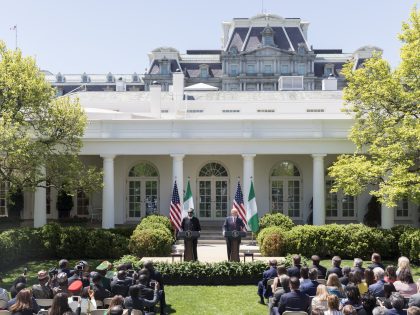
Trump’s threats of military action against Nigeria are not about Christian genocide, but are about rare earths, China, and the scramble to control Africa’s mineral future.
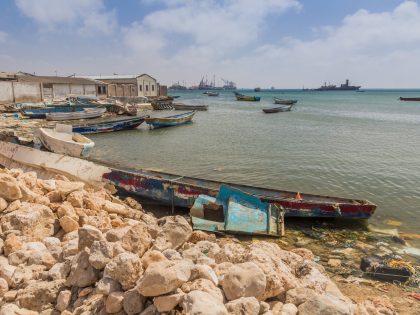
Half a century after the Soviets built their base on the Gulf of Aden, the same strategic coastline is once more drawing in foreign powers, old and new.
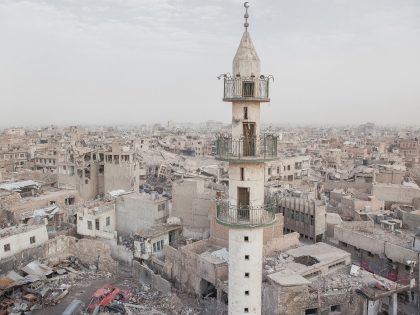
From Iraq to Gaza, empire no longer needs to annihilate populations when it can dismantle the very structures that make collective life possible.
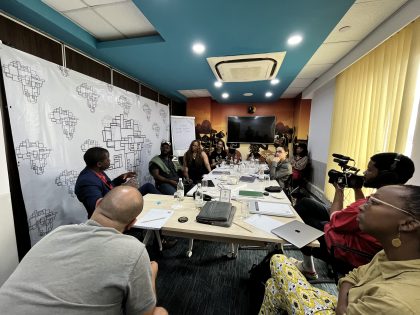
At our first workshop from our festival in Nairobi, The Elephant’s Joe Kobuthi, reflected on a year since #EndFinanceBill.
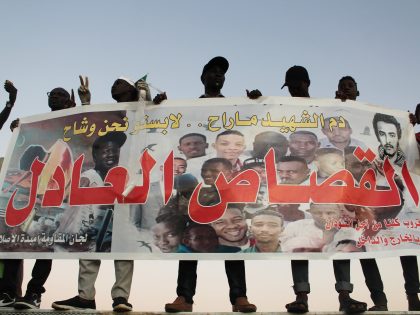
From Sudan to Toronto, a revolutionary poem echoes across time, showing how people’s movements confront militarism, mining, and imperial order with the enduring force of collective struggle.
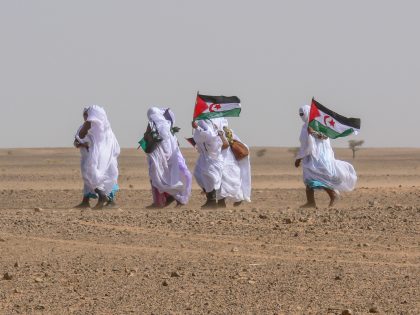
Emmanuel Macron’s recognition of Morocco’s claim to Western Sahara is a calculated pivot in a decades-old plan to reassert French influence across the Sahel.
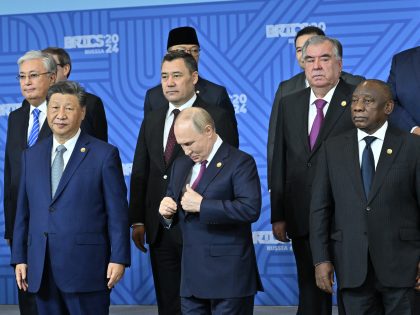
Once a symbol of anti-imperial unity, BRICS now risks becoming the very thing Bandung opposed: a club of powerful states reproducing global inequality in a new key.

As global powers debate alternatives to the dollar, Nigerian traders, Chinese exporters, and everyday crypto users are already reshaping the rules of currency exchange, as the hosts of the Nigerian Scam find out in the latest episode of the AIAC podcast.

Between Israeli bombs and state repression, ordinary Iranians are once again denied control over their own future.

From trans bans to racial exclusion, the hard-won gains made in women’s football are being rolled back under the guise of protecting women.

Framed as hard diplomacy, economic sanctions are a subtler form of warfare—one that erodes sovereignty, punishes civilians, and extends colonial power under a new name.

The director of the Oscar-nominated film 'Soundtrack to a Coup d’Etat' reflects on imperial violence, corporate warfare, and how cinema can disrupt the official record—and help us remember differently.

The US president’s executive order on South Africa isn’t about fairness—it’s a cynical ploy to stoke racial paranoia and shore up his right-wing base.

A sweeping, jazz-scored exploration of Cold War intrigue and African liberation, Johan Gimonprez’s 'Soundtrack to a Coup d’Etat' lays bare the cultural and political battlegrounds where empires, artists, and freedom fighters clashed.

On our annual publishing break, we ask: if the opposite of “weird” is normal, what if normal is equally problematic?