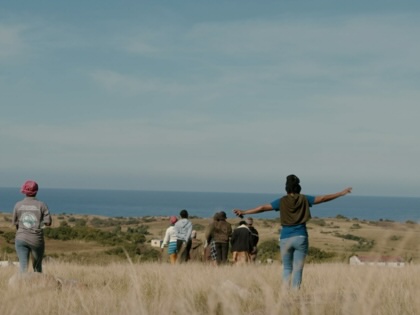
How to build a just green future
From Latin America to Africa, the struggle over minerals, energy, and sovereignty is forcing a deeper reckoning with capitalism, climate change, and the unequal architecture of the global economy.
From Latin America to Africa, the struggle over minerals, energy, and sovereignty is forcing a deeper reckoning with capitalism, climate change, and the unequal architecture of the global economy.
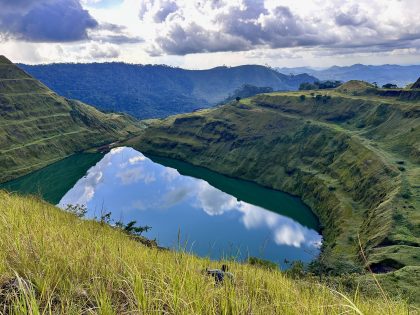
Far from signaling a break from the past, the convergence of mining and conservation in West Africa underscores a recurring pattern that stretches back to colonialism.
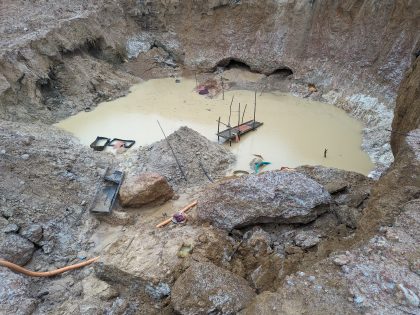
Paradoxically, conservation efforts in Liberia and Senegal are threatening native ecology.
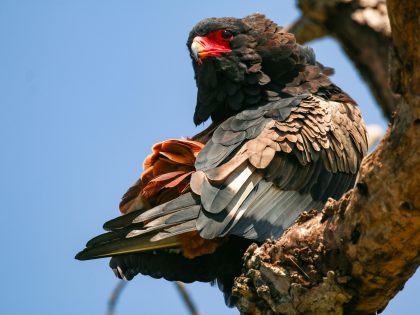
What connects Zimbabwe’s chimurenga spirit, the disappearing bateleur eagle, and the stubborn afterlife of colonial capital?
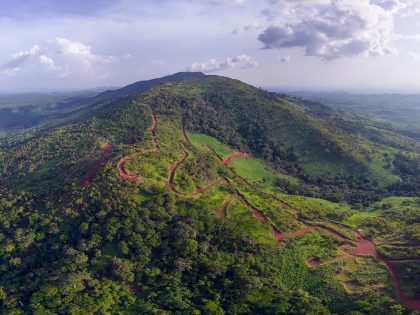
A $20 billion iron ore mega-project is reshaping Guinea’s economy and politics, but communities in Simandou say they still lack water, electricity, and accountability.
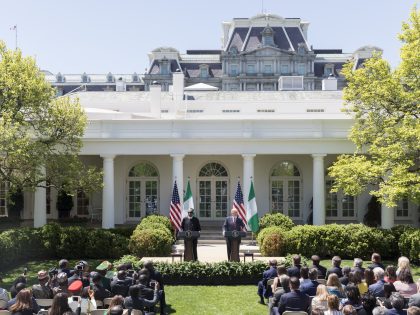
Trump’s threats of military action against Nigeria are not about Christian genocide, but are about rare earths, China, and the scramble to control Africa’s mineral future.
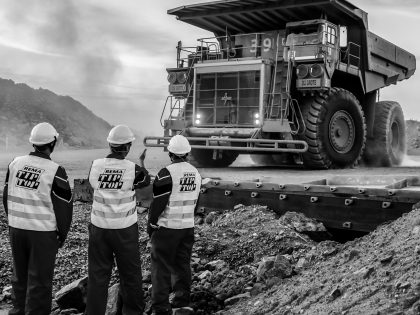
Africa’s first G20 presidency could mark a turning point for the continent — or simply another performance of green-washed extraction led by mining elites.
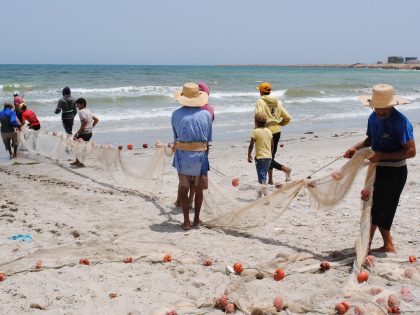
In Tunisia’s coastal city of Gabès, residents live in the shadow of the phosphate industry. As pollution deepens and repression returns, a new generation revives the struggle for life itself.
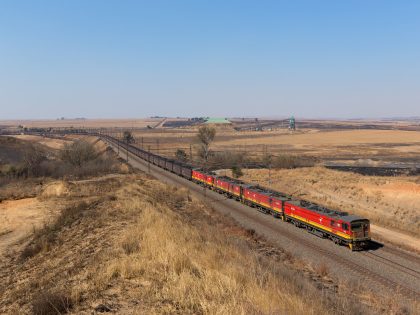
A Johannesburg-Cape Town high-speed line could turn apartheid’s corridors of extraction into a green spine of connection, industry, and justice.
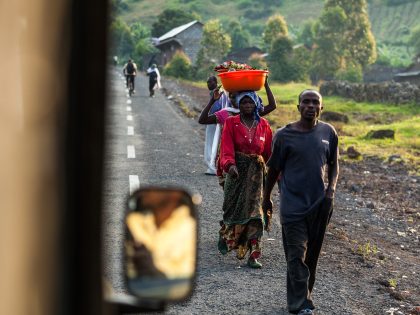
Trump’s Congo-Rwanda deal is hailed as diplomatic triumph. But behind the photo ops lies a familiar exchange: African resources for Western power.
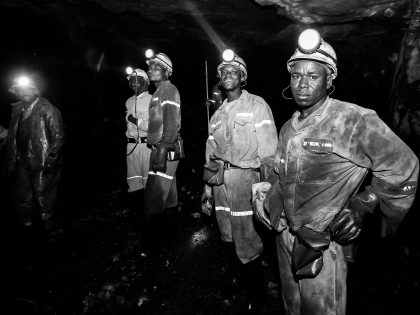
In the aftermath of the Stilfontein mining tragedy, South Africa must confront not just policy failure but a deeper amnesia: the erasure of women, memory, and indigenous ethics from its extractive economy.
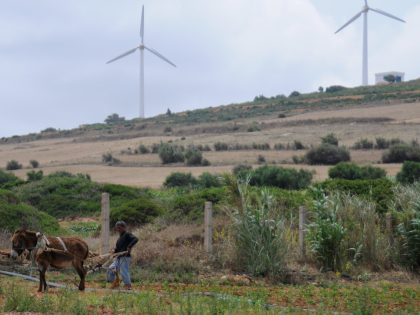
The EU’s hydrogen push in North Africa is sold as climate progress, but beneath the green gloss lies a familiar story of extraction, debt, and dispossession.
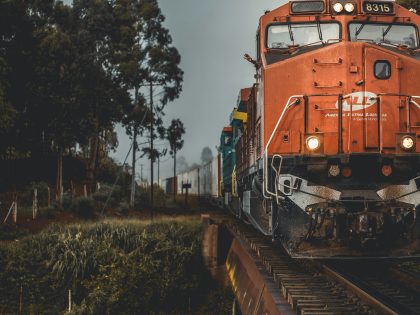
A US-backed infrastructure project in the DRC is framed as development, but history suggests it’s just another pipeline for foreign powers to profit from Congo’s riches.
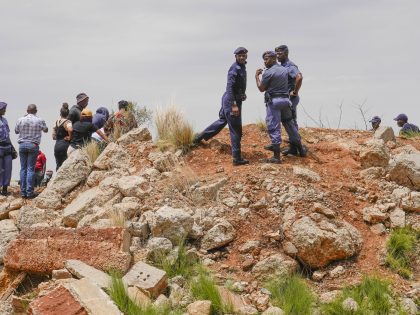
The massacre of artisanal miners in Stilfontein exposes the South African state’s violent allegiance to corporate interests and a long legacy of extraction and dispossession.
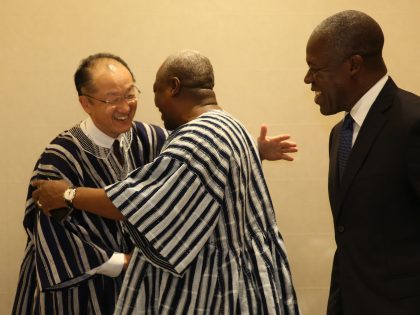
Ghana’s election has brought another handover between the country’s two main parties. Yet behind the scenes lies a flawed system where wealth can buy political office.
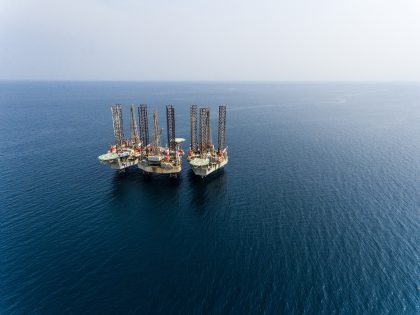
Materially speaking, oil is simply a sticky, black goo. It doesn’t have any innate power separate from the kind of society we live in — capitalism.
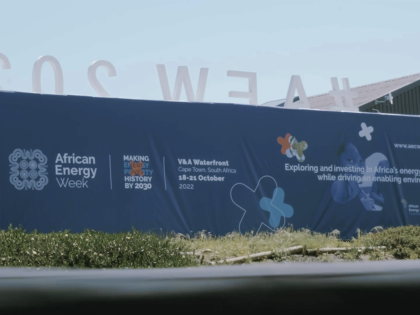
At Africa Energy Week, the language of resource sovereignty disguised a new form of climate denial that appropriates progressive rhetoric in service of fossil fuel companies.
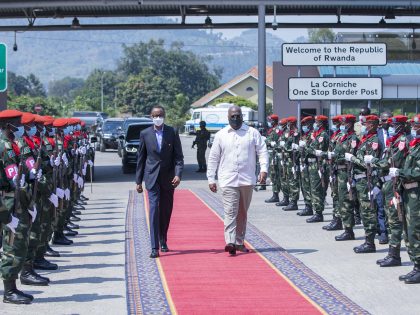
The world is slowly opening its eyes to how Paul Kagame’s regime abuses human rights, suppresses dissent, and exploits neighboring countries.
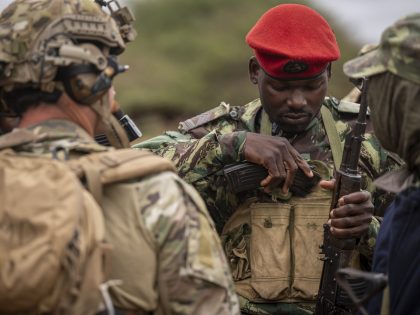
The EU’s military involvement in West Africa, the Gulf of Guinea, South Sudan, and East Africa is well-known. But one mission on the continent has gone relatively unnoticed.
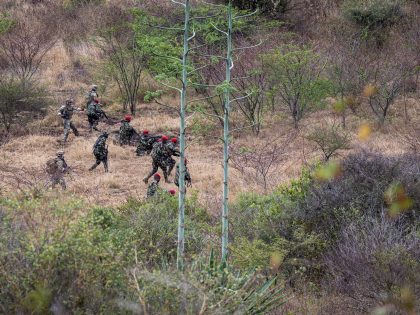
Todos sabem do envolvimento militar da União Europeia (EU) na África Ocidental, no Golfo da Guiné, no Sudão do Sul e na África Oriental. No entanto, uma missão no continente passou relativamente despercebida.