Kenya gets an Art Fair
Kenyan artists have to grapple with a number of challenges, including how to use digital platforms to promote and sell art at a fair price.
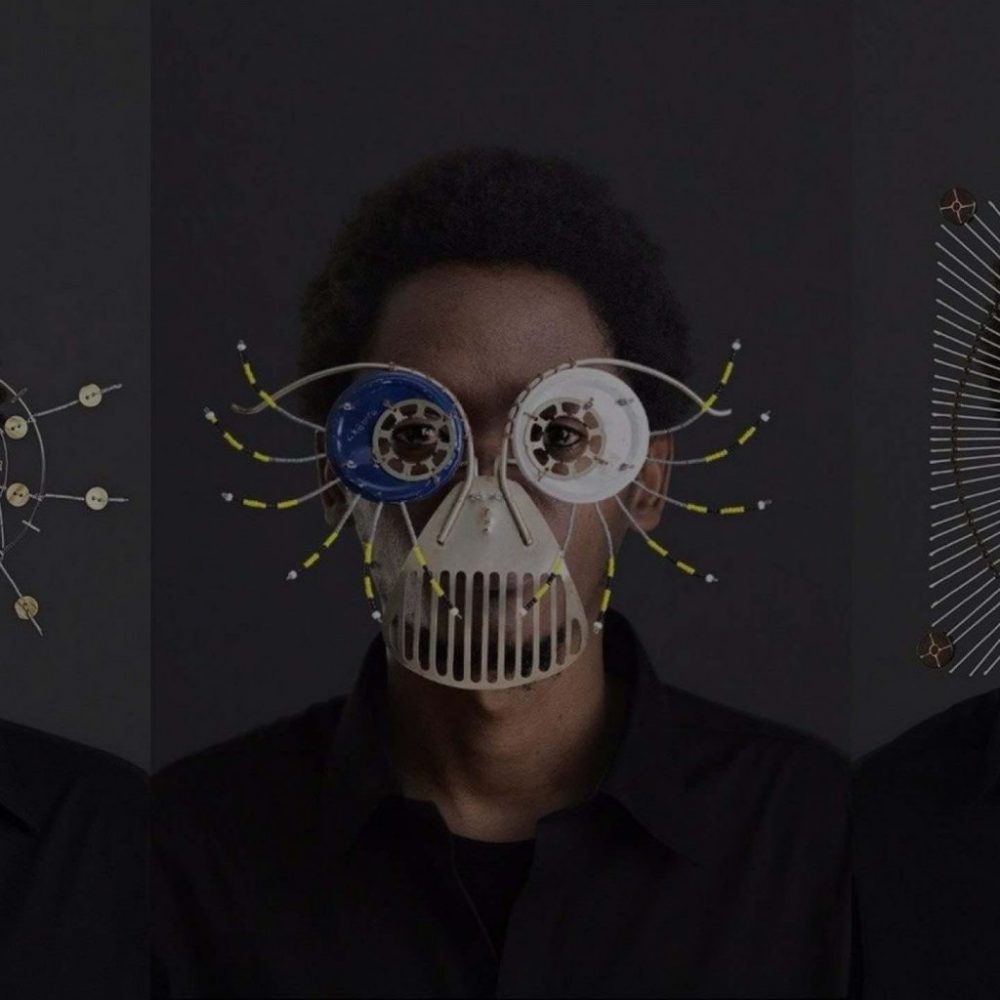
Cyrus Kabiru.
Over the past few years, artists like Michael Soi and Cyrus Kabiru placed Kenya on the global visual arts map. The first Kenya Art Fair is part of this move. From November 6 – 9, 2014, the Sarit Center Exhibition Hall in Nairobi’s Westlands area was the epicentre of this vibrant art fair. Organized by Kuona Trust and sponsored by the Go Down arts centre, Pawa 254 and the Nation Media Group, the Kenya Art Fair gathered personalities from the national art scene to debate and build a stronger artistic movement through discussions and exhibitions. The exciting encounters between artists, gallery owners, collectors, art lovers and curious people has nurtured new and future collaborations.
Participants included Abdi Rashid Jibril from Arterial Network, Danda Jaroljmek from the Circle Art Agency, Elisabeth Nasubo from the Ministry of Culture and many creators like the performance artist Ato Malinda and the master cartoonist Gado. The diverse line-up of panels such as “digital art”, “the role of Kenyan government in supporting the contemporary visual arts sector”, “cartoon and comic strip”, “art and business” and “the visual artists challenge” offered visitors tantalizing choices. The talks have been a space for the exchange of ideas and debate thanks to broad audience participation.
Admission was free, and the organizers estimate that over 5,000 people visited the Fair. But Kenya still faces challenges within the arts sector despite the Fair’s evident success. Questions Kenya’s artists must grapple with include: how to ensure art is not only for the elite, what distribution models can benefit artists who are not represented by agencies or galleries and how to use digital platforms to promote and sell art at a fair price. The creators of the Fair will also have to determine whether it will now become a regular occurrence, like the Dak’art in West Africa or the Joburg Art Fair in South Africa, or model itself the recent successful 2014 Kampala Art Biennale in Uganda.
Whatever the case, the Fair has made its mark. Art lovers, take heed – keep your eyes on Kenya.
Watch (Video by Sebastián Ruiz):
This post is part of a partnership between Wiriko and Africa is a Country.