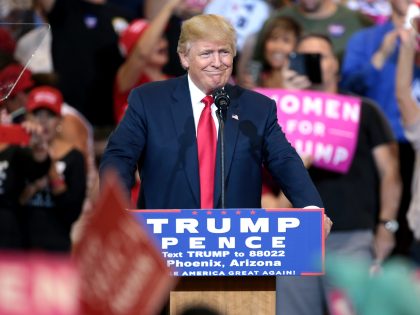
Trumpism in Nigeria
Why does the anti-Black racism of the US president have defenders in Africa’s largest Black nation?
Why does the anti-Black racism of the US president have defenders in Africa’s largest Black nation?
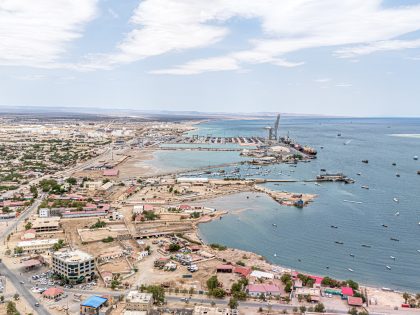
The withdrawal from the port city of Berbera by regional powers distracted by war, marks the end of an external system that managed the Horn of Africa — and the beginning of a deeper structural collapse.
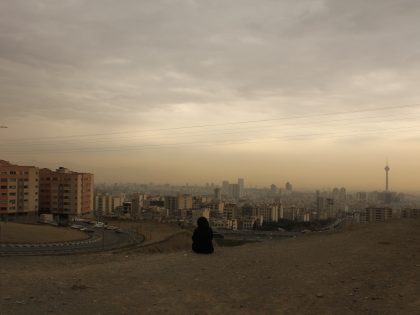
Between imperial narratives and state propaganda, debates about the war on Iran often erase the diversity of Iranian society and the voices of its marginalized communities.
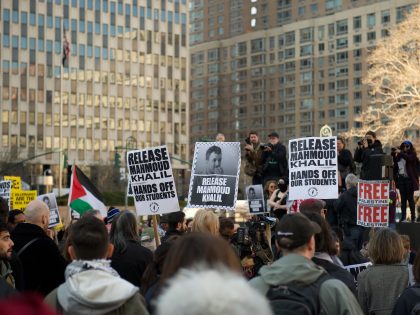
A year after ICE detained Columbia activist Mahmoud Khalil, pro-Palestinian organizers in the United States are living under the threat of arrest, detention, and deportation.
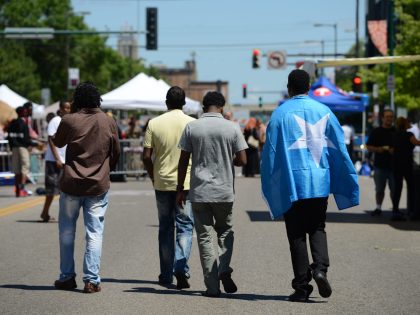
The Trump administration’s crackdown on Somalis in Minnesota ignores a longer history: decades of US intervention that helped produce the violence and displacement Somalis fled.
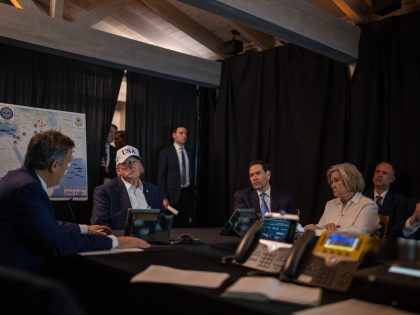
The US-Israeli war on Iran is the latest expression of a long imperial pattern — one shaped by opportunistic intervention, Western alignment, and the enduring racialized logic of empire.
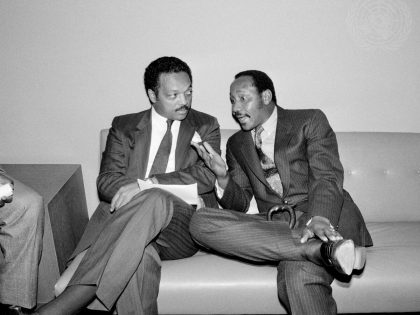
Honored in Yorubaland as “one who repairs the world,” Jesse Jackson’s life bridged civil rights, pan-Africanism, empire, and contradiction — leaving behind a legacy as expansive as it was imperfect.
Somalis have answered Trump’s latest racist tirade not with outrage but with a tidal wave of trolling.
The economic emancipation of the American working class cannot come at the expense of the global working class.
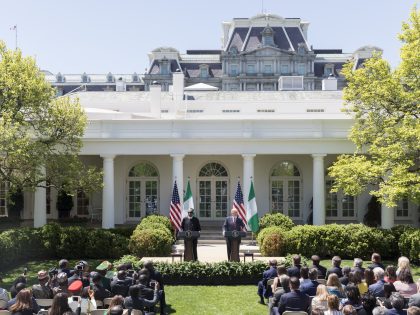
Trump’s threats of military action against Nigeria are not about Christian genocide, but are about rare earths, China, and the scramble to control Africa’s mineral future.
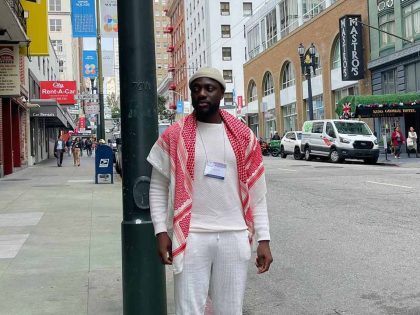
Hounded out of the United States for his pro-Palestine activism, Momodou Taal insists that the struggle is global, drawing strength from Malcolm X, faith, and solidarity across borders.
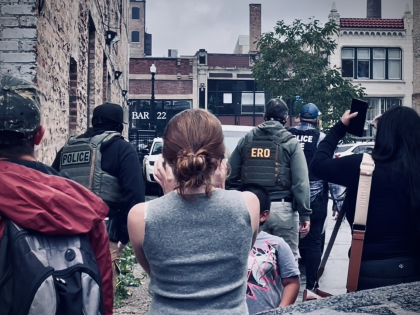
Trump’s deportation regime revives a colonial blueprint first drafted by the American Colonization Society, when Black lives were exiled to Africa to safeguard a white republic.
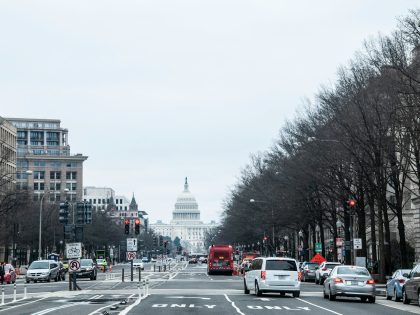
In Washington’s think tank ecosystem, Africa is treated as a low-stakes arena where performance substitutes for knowledge. The result: unqualified actors shaping policy on behalf of militarists, lobbyists, and frauds.
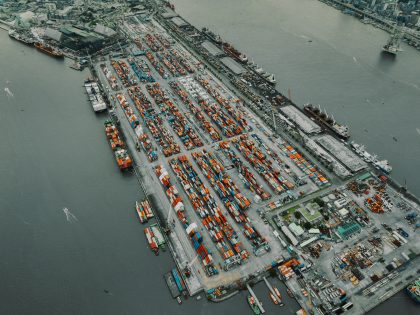
Amid Trump’s tariffs, Africa faces trade disruptions, corporate power, and emerging partnerships in its quest to control its economic destiny.
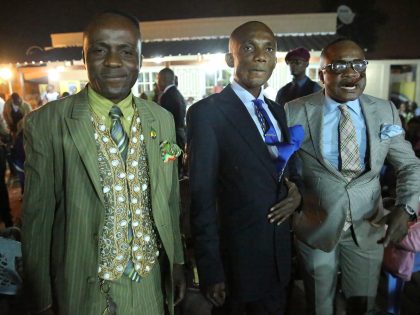
The oppositional sartorial lens of Congolese sapeurs exposes the limits and frailties of representation work in New York's Met Gala.
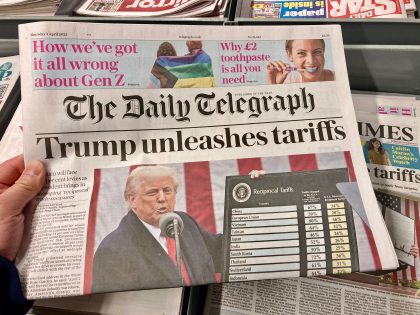
Trump’s April 2025 tariff blitz ignited market chaos and deepened rifts within his own coalition. Beneath the turmoil lies a battle between technocrats, ultranationalists, and anti-imperial populists, all vying to reshape — or destroy — American global power.
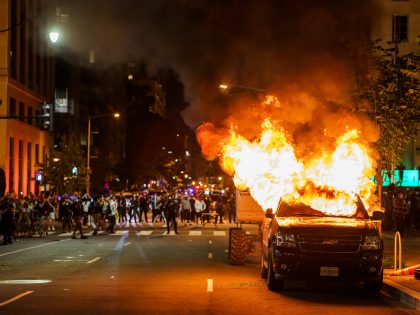
As American hegemony unravels, the Global South must resist both nostalgia and passivity. Multipolarity won’t arrive on its own — it must be built through struggle.
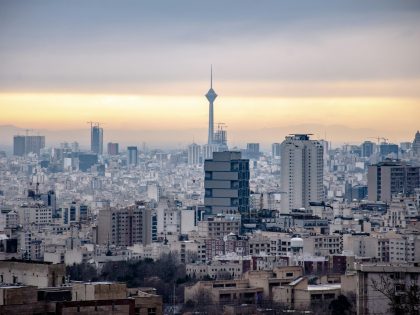
Framed as hard diplomacy, economic sanctions are a subtler form of warfare — one that erodes sovereignty, punishes civilians, and extends colonial power under a new name.
Trump’s trade war is framed as a battle with China — but its fallout is exposing just how little power African economies have in a rigged global system.
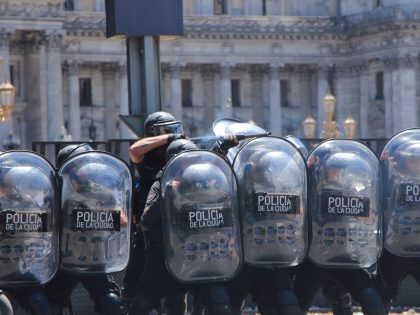
Javier Milei rose to power promising freedom — but his government is unleashing economic violence, criminalizing dissent, and testing the limits of Argentina’s democracy.