
The music is not yours
On the latest AIAC podcast, the gang from the Nigerian Scam explores how Afrobeats got globalized, who captured the value, and why the party may be ending.
On the latest AIAC podcast, the gang from the Nigerian Scam explores how Afrobeats got globalized, who captured the value, and why the party may be ending.

Despite commercialization and elite capture, the world’s most popular sport still generates forms of collective life that resist the logic of capitalism.

Paradoxically, conservation efforts in Liberia and Senegal are threatening native ecology.

Far from signaling a break from the past, the convergence of mining and conservation in West Africa underscores a recurring pattern that stretches back to colonialism.
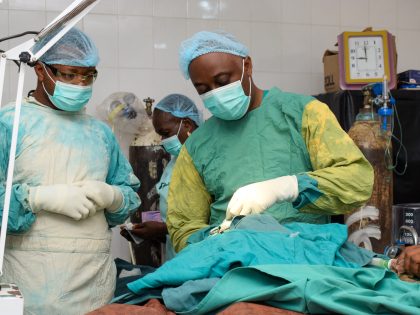
The suspension of three doctors following the death of Chimamanda Ngozi Adichie’s son has renewed scrutiny of a health-care system plagued by impunity, underfunding, and a mass exodus of medical professionals.

Behind the refereeing drama and rising revenues, AFCON 2025 exposed a tournament increasingly shaped by global capital rather than the long-term health of African football.

What connects Zimbabwe’s chimurenga spirit, the disappearing bateleur eagle, and the stubborn afterlife of colonial capital?
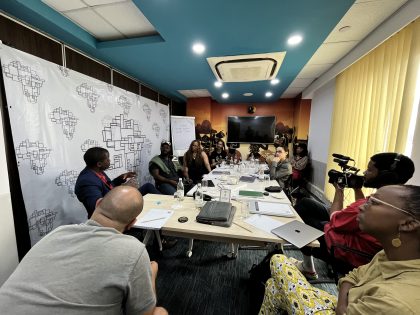
At our first workshop from our festival in Nairobi, The Elephant’s Joe Kobuthi, reflected on a year since #EndFinanceBill.
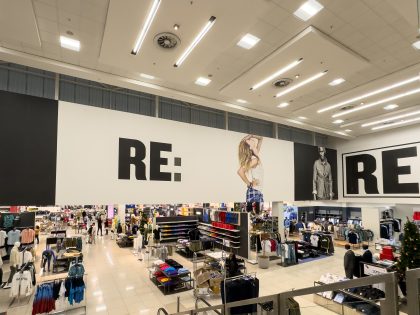
The apparel brand Drip was meant to prove that South Africa’s townships could inspire global style. Instead, it revealed how easily black success stories are consumed and undone by the contradictions of neoliberal aspiration.
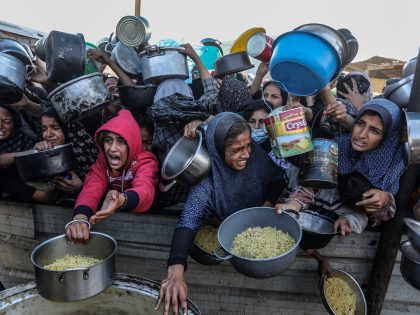
From Congo to Gaza, the machinery of empire hides behind the language of aid and development.
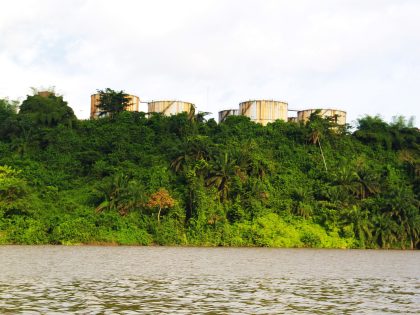
Shell's so-called divestment from Nigeria’s Niger Delta is a calculated move to evade accountability, leaving behind both environmental and economic devastation.

Materially speaking, oil is simply a sticky, black goo. It doesn’t have any innate power separate from the kind of society we live in — capitalism.
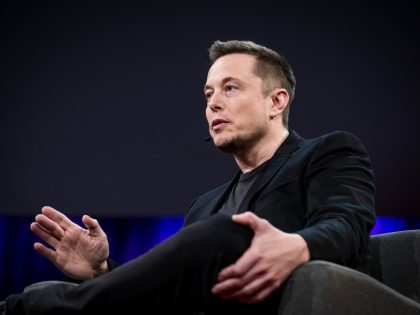
While it might be cathartic to compare Elon Musk’s tech firms to apartheid-era mines, the connection between ex-South Africans and American capitalism is complicated.
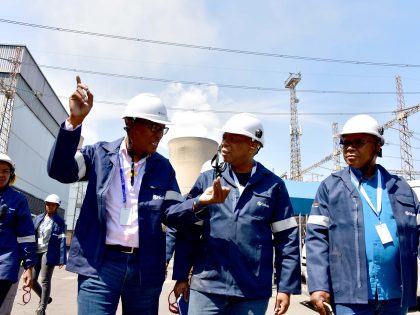
South Africa’s pivot to electricity markets will be socially regressive, whether green or not.

The theft dispute between Onezwa Mbola and Nara Smith reveals the consumerist undertones behind content for women in the online creative economy.
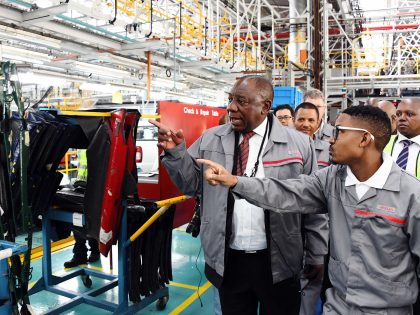
Some progressive economists argue that a bigger budget deficit is the solution to the country’s socio-economic woes. But it isn’t that straightforward.
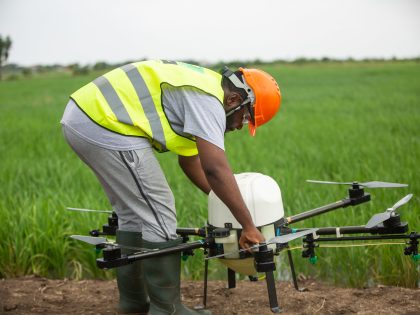
The coterie of billionaires and foreign aid agencies intent on transforming African agriculture have mostly upturned people’s lives.
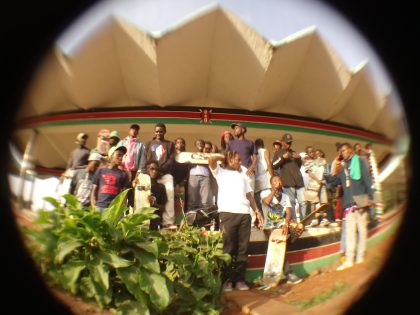
In Nairobi, skateboarding provides an alternative space where consumption is not a prerequisite for entry.
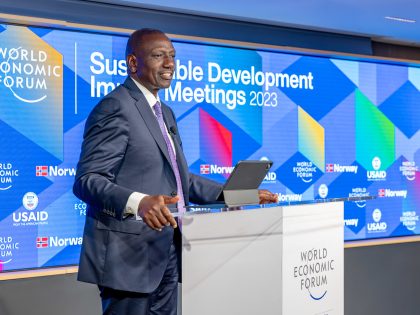
The marketization of climate action, epitomized by Kenyan president William Ruto, allows the super-rich to buy their safety while the rest of us are left behind.
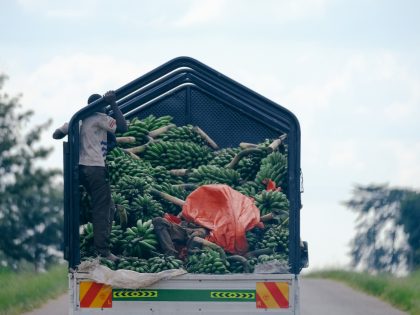
Western leftists are arguing among themselves about whether there will be bananas under socialism. In Africa, however, bananas do not necessarily represent the vagaries of capitalism.