The #Bullshit Files: Mindy Budgor, ‘the first female Maasai warrior’
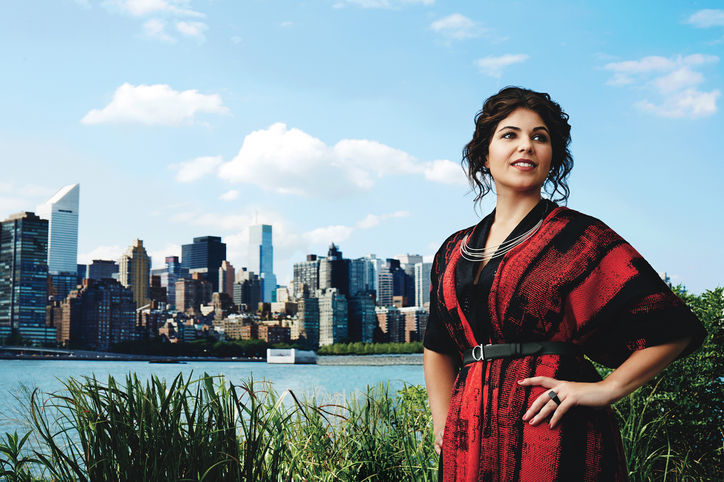
Loads of our readers have been badgering us to blog about Mindy Budgor, a young white, middle class American from Southern California (her site comes with a health warning) who traveled to Kenya for a PR campaign for Under Armour sports clothing prior to starting an MBA degree and disguised the trip as a white feminist cause to end sexism among the Maasai. Budgor predictably published a book (Warrior Princess: My Quest to Become the First Female Maasai Warrior) and goes on about her “tribe” of Maasai. She now gets interviewed by glossy women’s magazines and even suckers The Guardian and the BBC (both of whom should be ashamed of themselves). The Guardian have chosen to indulge this sort of drivel plenty of times before despite always considering themselves better than other British newspapers, and we have to wonder why Mindy’s piece wasn’t posted to the Guardian Africa Network page if they really thought it was a piece worth publishing. It’s one thing to talk about getting past the bad old way of writing about Africa, quite another to show that you are really serious.
It’s incredible to us that editors have fallen for Budgor’s vapid attention-grab, as her prose reads like an Onion parody.
It’s like there’s a conveyer belt of this bullshit. Remember last week when England’s demented Prince William told CNN about how he relaxes with “African animal noises”? Not surprisingly, many of you have not been impressed by Budgor’s writing and have said so on our Facebook page (Andrew Hanauer: “Is UnderArmour a traditional Maasai clothing?”). So, this is an invitation to hear more of your thoughts. Just post them in the comments below. Maybe you have a message for Mindy? What’s the appropriate response to this kind of tired-ass trolling? If we just ignore it will she just go away eventually? We’ll feature some of the responses.