Nike Chiefs
What if major sports brands like Nike let local football stars - playing who are not big in Europe, but big in national club leagues on the continent - front a campaign?
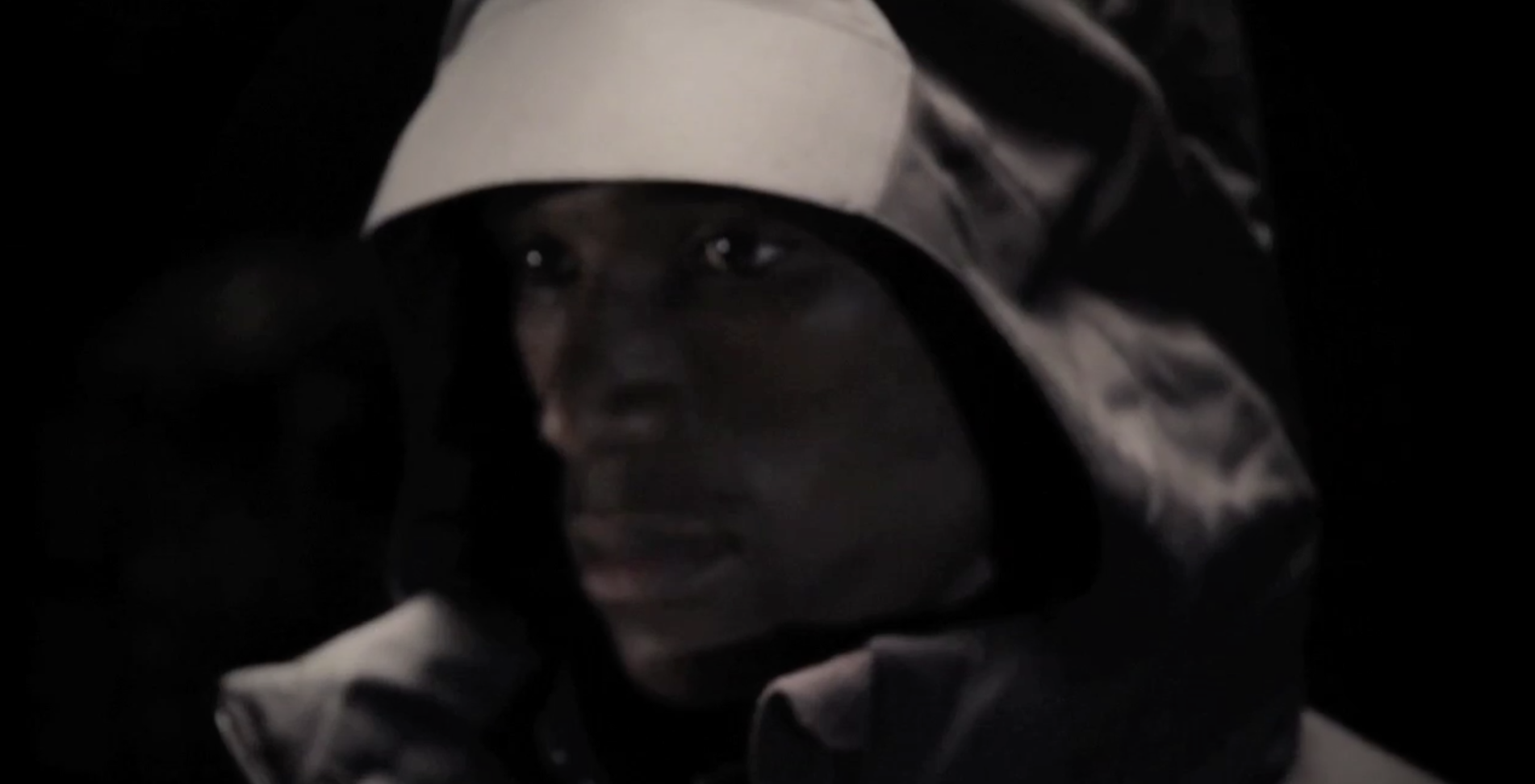
Stills from the shoot.
While print campaigns for big brands are a dime a dozen, rarely do television commercials feature African football stars who compete in national level competitions on the continent. Perhaps in North Africa and rugby players in South Africa. But for sub-Saharan African sports stars (mostly footballers) that’s privilege usually materializes when the World Cup comes around. Think Puma’s campaigns for the 5 African countries they sponsored during the 2010 World Cup, the company’s specific commercials featuring Samuel Eto’o and Coco Cola’s South African campaign featuring World Cup legend Roger Milla. African players who star in European leagues often get to front TV commercials for European brands shown in those markets. Take for example George Weah who sort of broke the mold on that in Italy or Didier Drogba’s Samsung commercial. They key is they are both African sports stars who made it big in Europe.
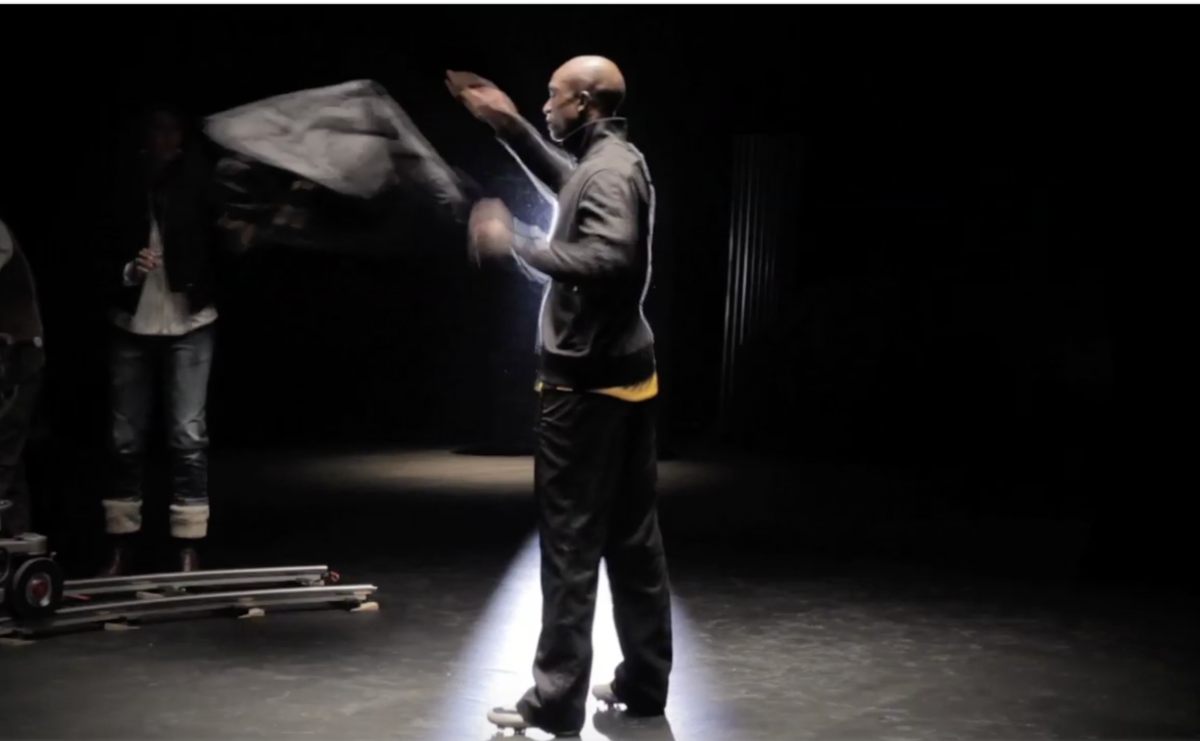
What if major sports brands like Nike let local stars – playing who are not big in Europe, but big in national club leagues on the continent – front a campaign? Or spending lots of money promoting the brands of African club football? Check out this slick, arresting commercial, above, that Nike shot with striker Mthokozisi Yende of the Johannesburg glamour club Kaizer Chiefs. This is for the #Alwayson promotion. I have a feeling that if it is replicated for domestic league stars elsewhere on the continent this kind of commercial would soon become the norm rather than an exception like how I am experiencing it now. It is even more remarkable in South Africa given the race politics of its advertising industry.
Watch on Youtube.