The price of potential
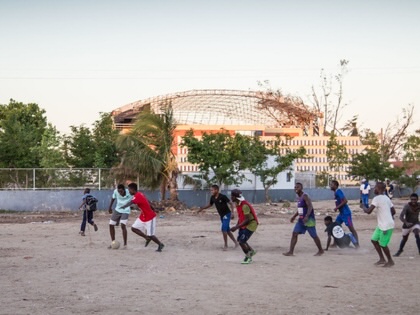
Joseph O’Neill’s new novel follows a Pittsburgh writer chasing a West African wonderkid. It’s also a story about who profits every time the world goes looking for the next Eusébio.
Joseph O’Neill’s new novel follows a Pittsburgh writer chasing a West African wonderkid. It’s also a story about who profits every time the world goes looking for the next Eusébio.
From the Epstein files to a World Cup trailed by rape charges and a hush-money settlement, the public has gotten remarkably good at feeling outrage. What it hasn’t learned is what to do with it.
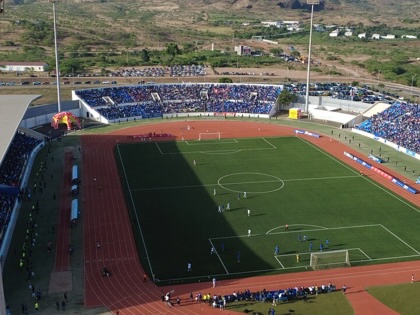
Cabo Verde’s historic run and the breakthrough performances of fellow African and Caribbean nations changed the conversation about visibility, opportunity, and the future of African football.
Can a continent dominate global football while losing control of its own game?
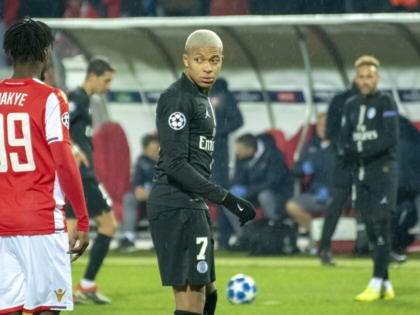
Football’s three mixed Maghrebi and Black African stars are not emissaries of a new pan-Africanism. And the continent doesn’t need them to be.
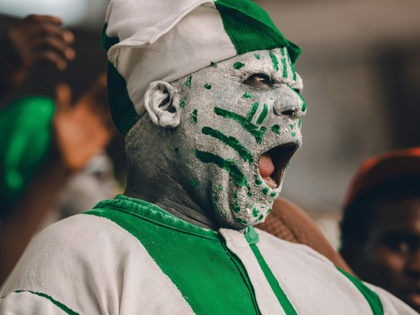
Part performer, part cultural ambassador, and increasingly, a political flashpoint.
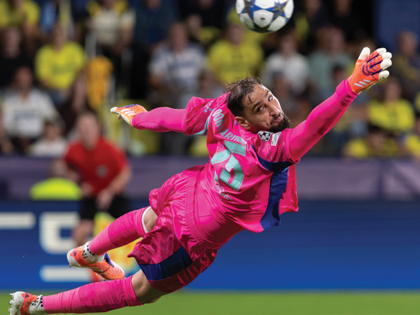
As club football becomes increasingly placeless and commercialized, international football begins to feel strangely real again.
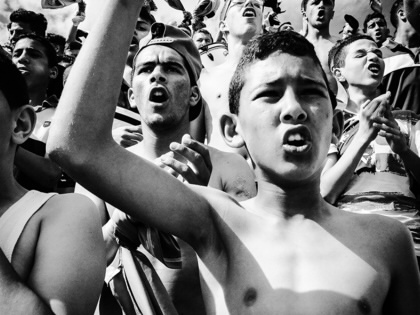
In Algeria, football stadiums have long been sites of protest, expression, and resistance. As public space shrinks and surveillance rises, their political future hangs in the balance.
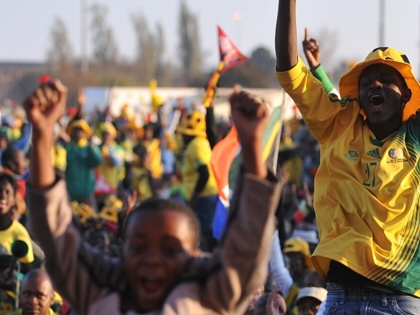
Bafana Bafana’s World Cup exploits has South Africans chanting “No DNA, just RSA!” But against a rising tide of xenophobia, what South Africa are we actually rooting for?
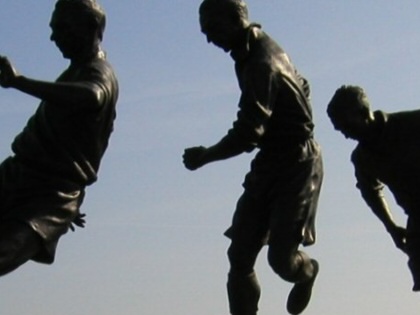
In 1957, three months after Ghanaian independence, the world’s most celebrated footballer came to Accra to teach. What Stanley Matthews left behind changed Ghanaian football forever.
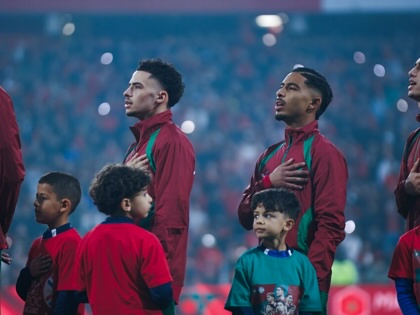
When Ayyoub Bouaddi chose Morocco over France, he wasn’t just making a football decision, he was enacting a theory of citizenship that has been in the making since 1880.
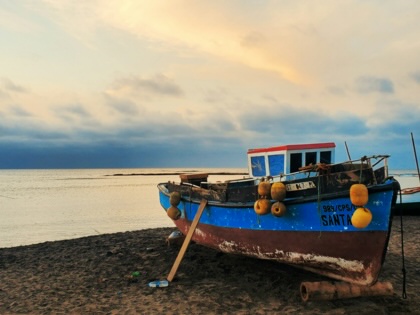
Cabo Verde’s national team is at the World Cup for the first time in their history. To understand why they might surprise everyone, you need to understand morabeza.
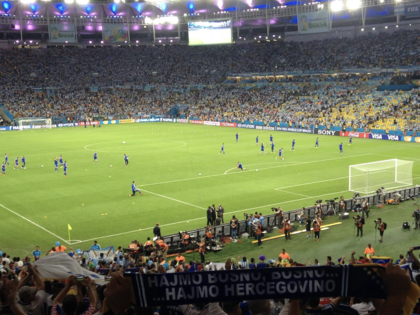
Bosnia’s World Cup squad is built on the descendants of war and displacement, players raised across Europe and North America who are finding their way back through football.
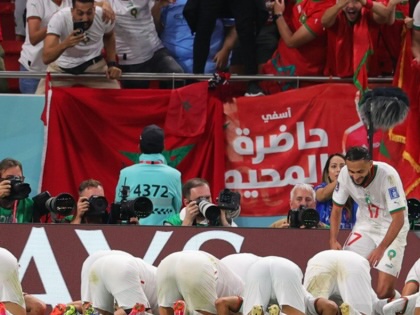
Why are the religious practices of African footballers treated as strange when athletes around the world turn to faith and superstition to navigate the game’s uncertainty?
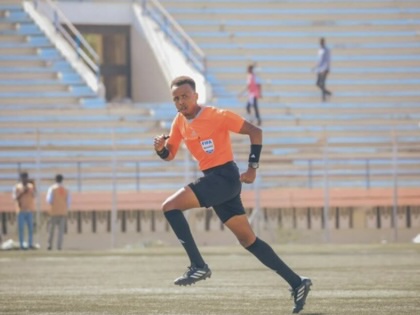
The exclusion of Somali referee Omar Artan hardens the contradiction at the heart of the 2026 World Cup: a global tournament increasingly shaped by the politics of exclusion.
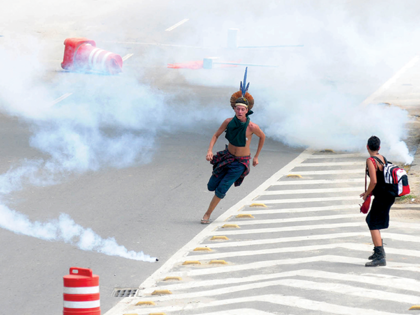
The World Cup was born from imperial rivalry and nationalist aspiration. Almost a century later, it still oscillates between mass hope and elite spectacle.
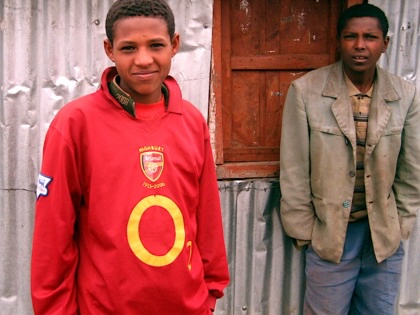
Under Arsène Wenger, Arsenal FC transformed English football’s relationship to African players, becoming a symbol of diaspora identity, Black internationalism, and global modernity.
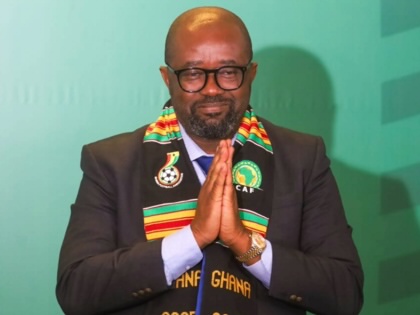
Under the leadership of the president of the Ghana Football Association, the country’s football has become a study in contradiction, combining administrative modernization with competitive decline.
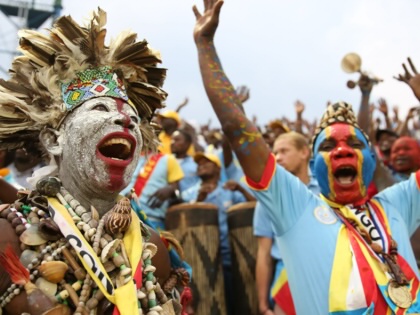
What’s in store for the Congolese national team, now that they’ve reached the World Cup?
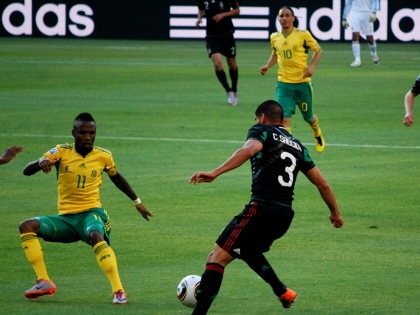
If the reception the Democratic Republic of the Congo received at the FIFA intercontinental playoffs is anything to go by, visiting African fans can expect a joyful camaraderie in Mexico.