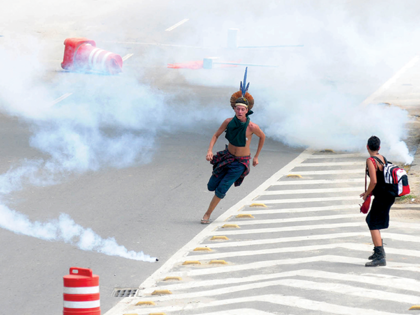
What is the World Cup for?
The World Cup was born from imperial rivalry and nationalist aspiration. Almost a century later, it still oscillates between mass hope and elite spectacle.
The World Cup was born from imperial rivalry and nationalist aspiration. Almost a century later, it still oscillates between mass hope and elite spectacle.

Burundi’s football league rarely draws headlines — making it an easy target for match-fixing networks now entrenched in its top division.

Le championnat burundais fait rarement les gros titres — une discrétion qui en fait une cible facile pour des réseaux de matchs truqués désormais ancrés dans l’élite.

Despite commercialization and elite capture, the world’s most popular sport still generates forms of collective life that resist the logic of capitalism.
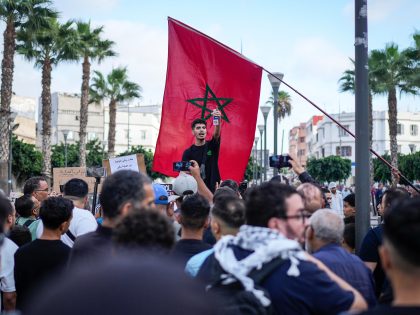
As Morocco prepares to host AFCON and the 2030 World Cup, a decentralized youth movement is demanding real investment in public services over sporting spectacle.
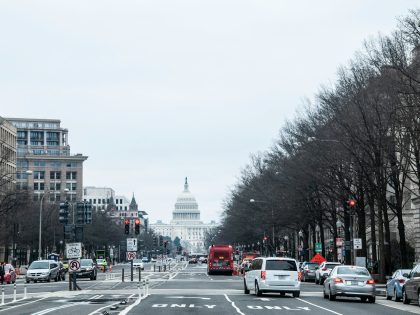
In Washington’s think tank ecosystem, Africa is treated as a low-stakes arena where performance substitutes for knowledge. The result: unqualified actors shaping policy on behalf of militarists, lobbyists, and frauds.
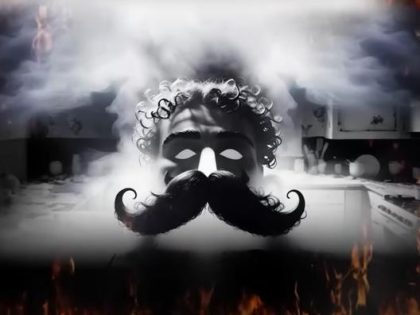
In Mauritius, social media memes and leaks exposed corruption, galvanized youth, and reshaped the nation’s political landscape.
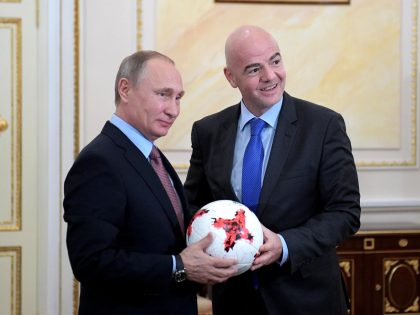
Gianni Infantino isn’t just another corrupt FIFA president — his greed, self-importance, and political alliances are actively ruining football.
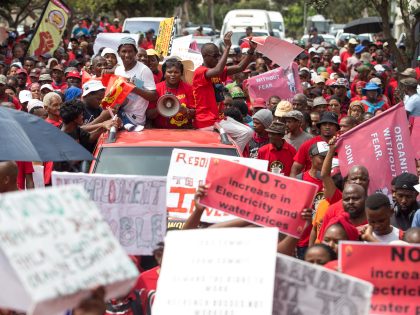
Once a beacon of hope for militant trade unionism, Numsa’s descent into corruption and political entanglement reflects the broader struggles facing South Africa’s labor movement.
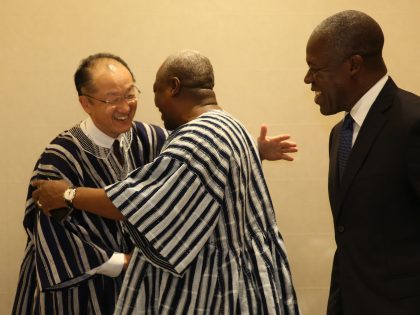
Ghana’s election has brought another handover between the country’s two main parties. Yet behind the scenes lies a flawed system where wealth can buy political office.
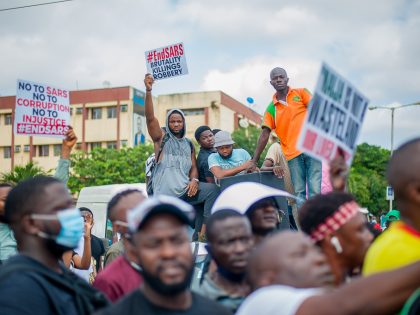
The Nigerian Scam podcast returns to discuss the rise and fall of Nigeria’s anti-corruption movement.
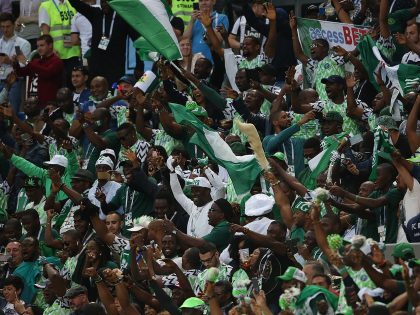
For Nigeria to return to the peak of African football, it needs deeper introspection about how the country functions today.
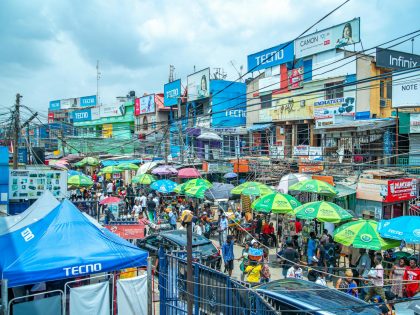
Africa Is a Country is happy to announce our collaboration with The Nigerian Scam podcast.
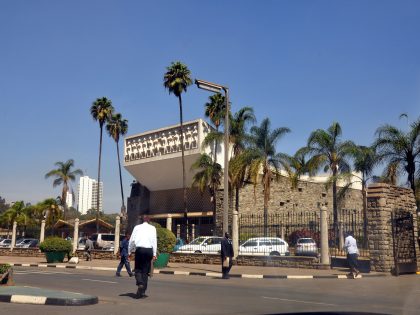
In Kenya, elected office does not represent a duty to represent ordinary citizens, but an opportunity for personal enrichment.
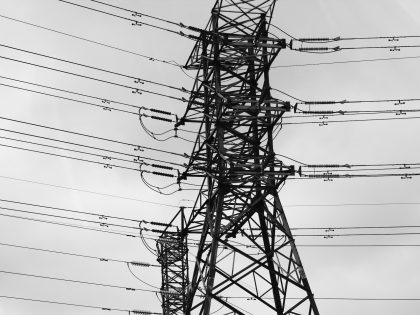
Andre De Ruyter, the former CEO of Eskom, has presented himself as a simple hero trying to save South Africa’s struggling power utility against corrupt forces. But this racially charged narrative is ultimately self-serving.
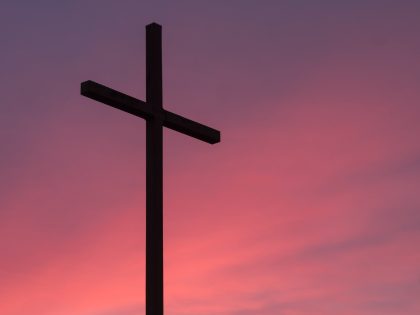
From the enormously influential megachurches of Walter Magaya and Emmanuel Makandiwa to smaller ‘startups,’ the church in Zimbabwe has frightening, nearly despotic authority.
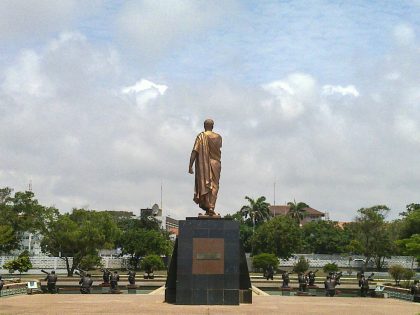
Business fraud and illicit financial flows are not a new problem for Africa — the "Drevici Affair" in Nkrumah's Ghana is instructive.
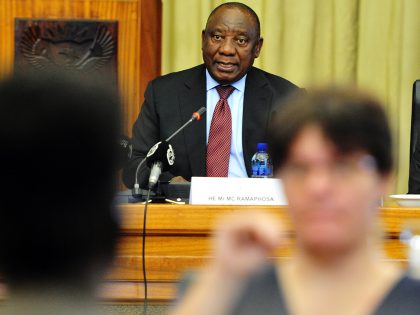
South Africa’s ruling party’s devotion to its policy of cadre deployment is an indication that it values its own power more than the public interest.
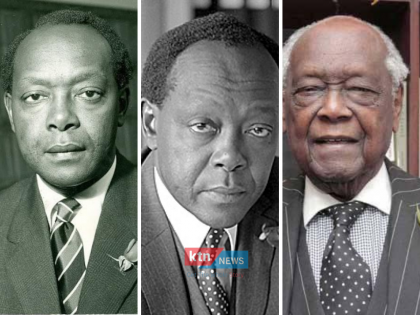
Charles Njonjo's legacy is as member of a powerful group of Kikuyu chauvinists who surrounded Jomo Kenyatta and corrupted the state.
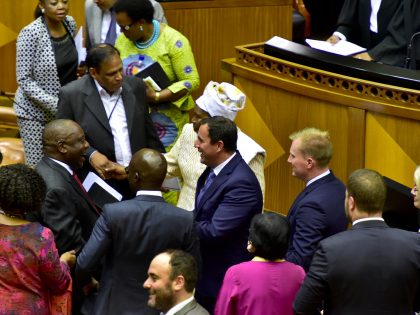
Different factions of South Africa's ruling elite are implicated in looting and profiting from the state. South Africans should take an attitude of a plague on both their houses.