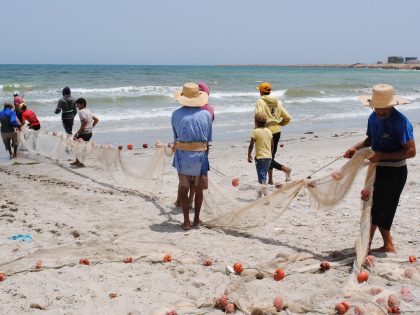
The people want to breathe
In Tunisia’s coastal city of Gabès, residents live in the shadow of the phosphate industry. As pollution deepens and repression returns, a new generation revives the struggle for life itself.
Search Result(s) for: “india”
In Tunisia’s coastal city of Gabès, residents live in the shadow of the phosphate industry. As pollution deepens and repression returns, a new generation revives the struggle for life itself.
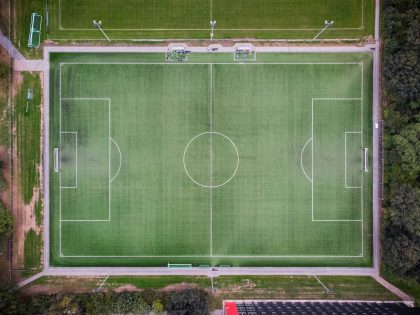
This year, instead of taking a publishing break, we will be covering the African Cup of Nations. To transition, we consider why football still matters in an era of enclosure, mediated presence, and thinning publics.
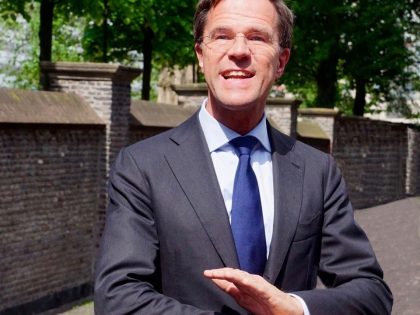
Most elites in the Netherlands are no different than racists when it comes to defending #ZwartePiet.
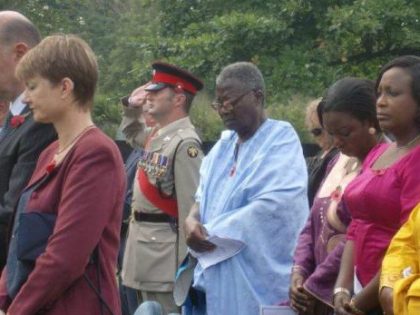
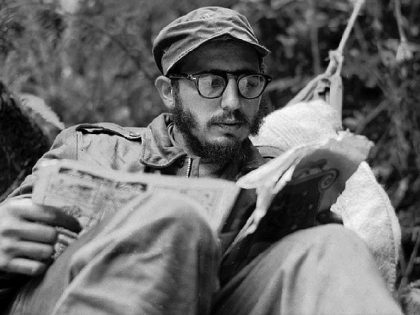
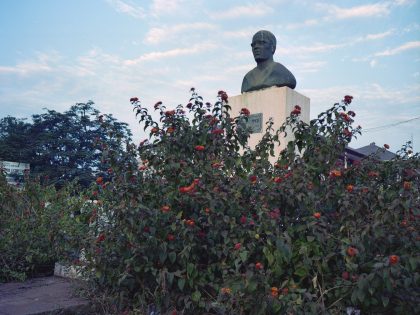
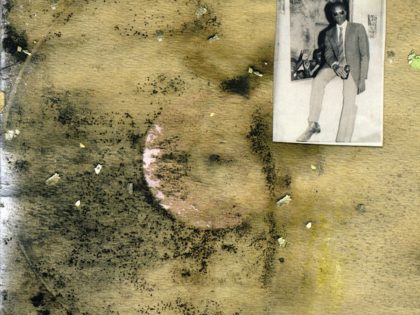
Juan Orrantia, a Colombian photographer who lives in South Africa, interviewed on his project on the Guinea-Bissauan liberation hero.
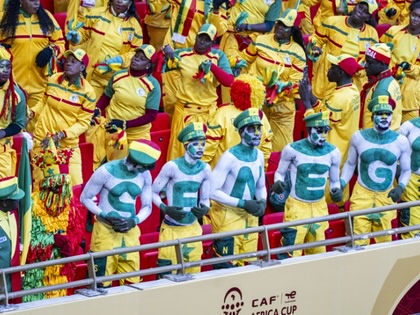
Between the visa bond, the digital surveillance requirements, and the 74 percent rejection rate, the Trump administration has made it nearly impossible for Senegalese fans and journalists to attend the World Cup.
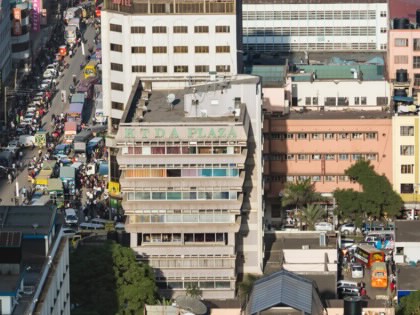
Across the country’s urban centers, young men are being recruited into political militias that offer quick cash, fleeting power, and little chance of escape.
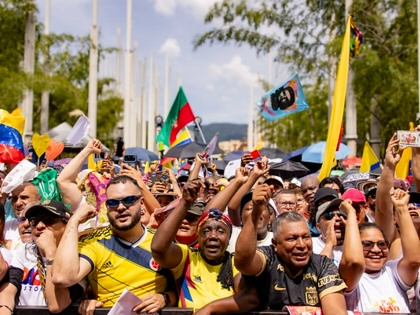
Gustavo Petro’s “economy for life” speaks to real crises. But without a rigorous political economy behind it, progressive movements risk mistaking the symptoms for the disease.
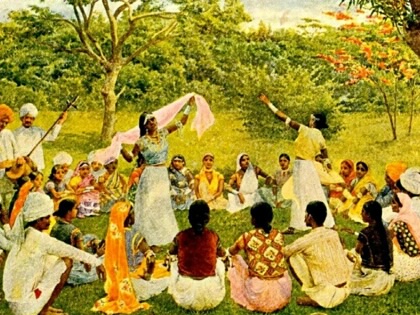
The Granta controversy surrounding a Commonwealth Prize-winning story tells us less about AI than about the enduring metropolitan expectation that writing from the South should sound opaque, excessive, and primitive.
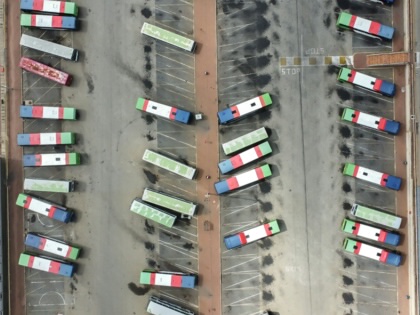
Across Africa, governments are elevating STEM education while sidelining the humanities. But science and technology are never neutral, and technical expertise alone cannot transform society.
What came across as recognition of Africa Is a Country from a US State Department official, was more a case of speaking too fast.
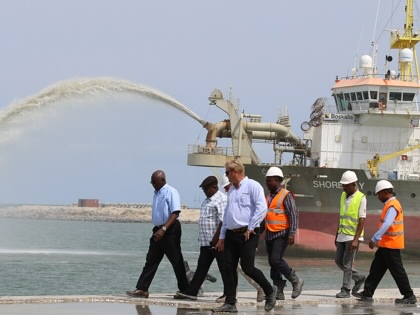
Dangote’s refinery ended Nigeria’s dependence on imported fuel and became Africa’s most important energy asset overnight when Iran shut the Strait of Hormuz. But it also became the country’s most powerful monopoly.
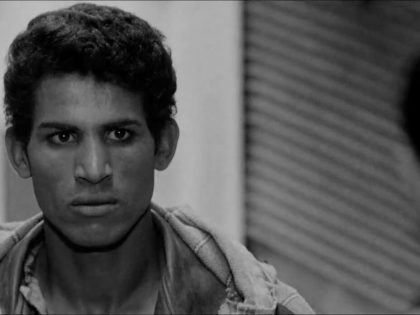
What is that sample of Arabic during Slick Rick’s verse on Mos Def's "The Auditorium"?
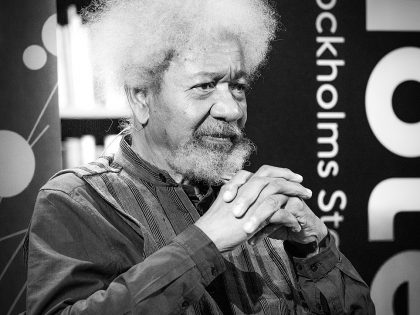
Africa's first Nobel literature laureate is accused of Islamophobia. It is not his first time.
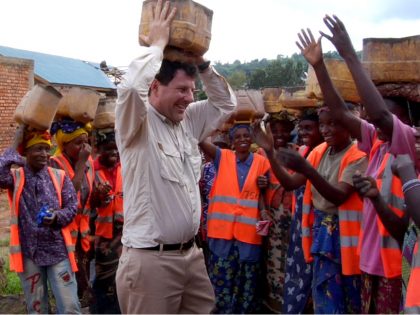
Nicholas Kristof's journalism, which is largely focused on Africans, is exhausting to watch. And it is always about himself.
Madlib's "Medicine Show No. 3: Beat Konducta in Africa" is about African liberation in the 1970s, especially south of the Limpopo.
For those doubting South African can host a successful World Cup, the country has a long history of successfully hosting big tournaments.
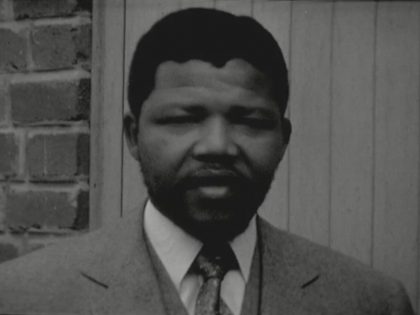
Vintage clips, from 1961, of Nelson Mandela, ZK Matthews, Helen Joseph, among others, on a Dutch TV program talking liberation from white supremacy.