Moscow Hair
The Ivorian international and CSKA Moscow footballer, Seydou Doumbia about the hardest thing to secure in the Russian capital: It's hard to get a fade.
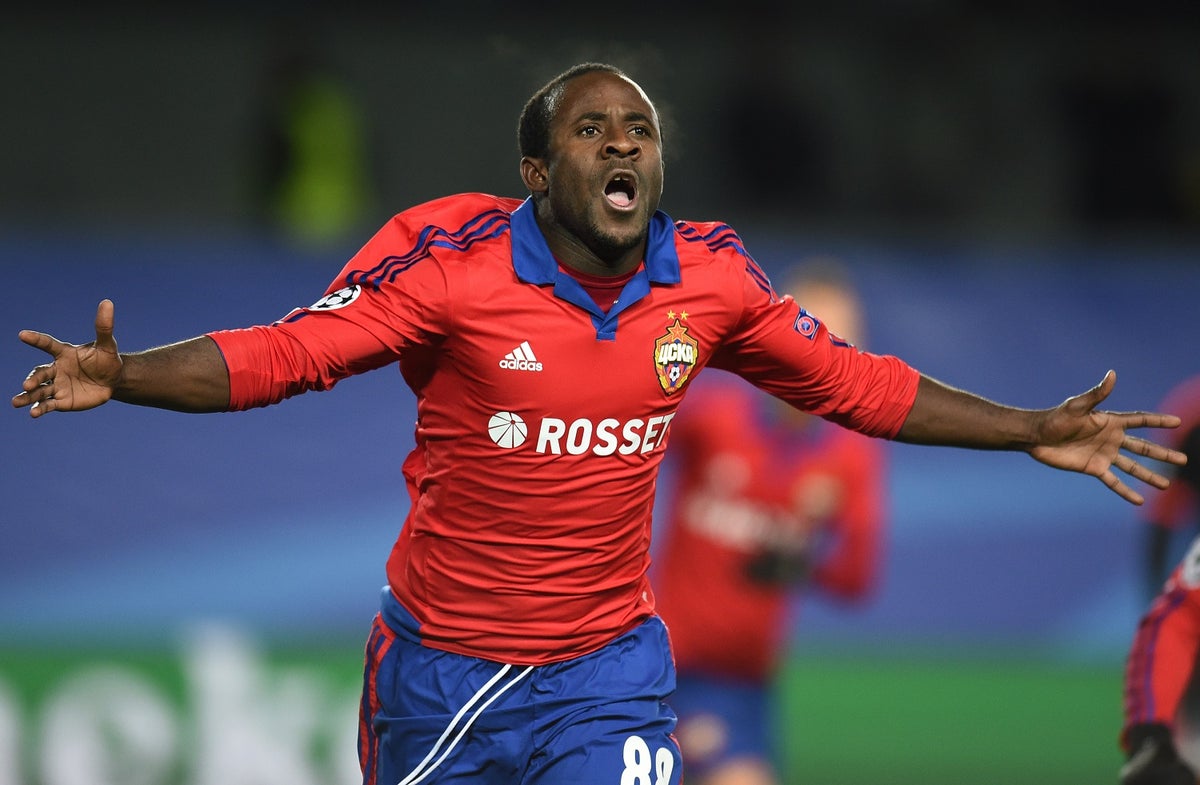
Seydou Doumbia.
FIFA’s website goes overboard with the cheap elephant references in a profile of Cote d’Ivoire national team player Seydou Doumbia. The Ivorian national team is known as the Elephants. We get it. The author also can’t stop himself or herself with how Doumnbia is “a warm and likable African,” and “a potent African,” on so on and so forth.
Doumbia is unusual from most of his national teammates in that he grew up and started his career in Cote d’Ivoire. He first went to play in Japan before he went to Young Boys in Switzerland in 2008. In 2009 and 2010, he won the Swiss Super League Player of the Year. Those same years, Doumbia was the top scorer in the league. In 2010, he transferred to CSKA Moscow. Thus far, he has only won a Russia Cup (in the last 2010-2011 season) at CSKA Moscow.
The FIFA profile is all the usual stuff. But then this piece of news about Moscow, the Russian capital, where CSKA Moscow is based:
All in all, the player is thoroughly enjoying life in the east European mega-city, but Doumbia still has one specific problem.
“Moscow is a fantastic city, and you can have a wonderful life here. Unfortunately, I’ve yet to find a hairstylist worthy of the name, but I’m not really complaining,” grinned the man who has never been afraid to experiment with his haircut.
Any of our users who happen to know of a top-notch hair designer in Moscow should let the amiable Ivorian know at once. He’ll thank you and never forget you—but that’s the way it is with elephants.