Out of Here
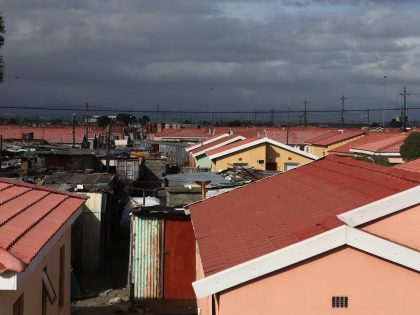
I am spending the opening weeks of the 2010 World Cup in Cape Town, South Africa. I have tickets to a few games. The main aim is to be among football people.
I am spending the opening weeks of the 2010 World Cup in Cape Town, South Africa. I have tickets to a few games. The main aim is to be among football people.
The chicken fast-food chain’s latest television commercial, riffing on the World Cup, satirizes stereotypical Africa yet risks reproducing the very tropes it mocks instead.
Mexican broadcasters are no different from their Euro-American counterparts, in peddling outdated stereotypes about Africa.

Commercials tied to the 2010 World Cup sell brands through a tired global template of African-ness: poverty as texture, hardship as atmosphere, resilience as spectacle.
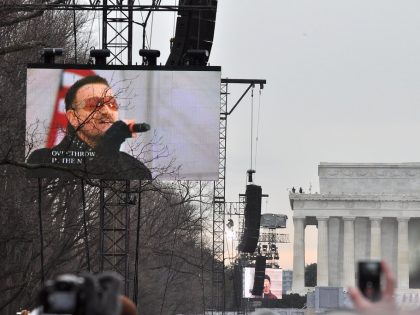
Has Bono made what is the best TV (you can also watch it on Youtube) commercial in the history of the World Cup?
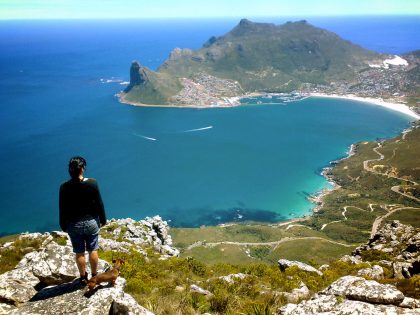
The UK Observer, despite its best attempts, does not have its finger on the pulse of the South African literary scene. The World Cup didn't help.
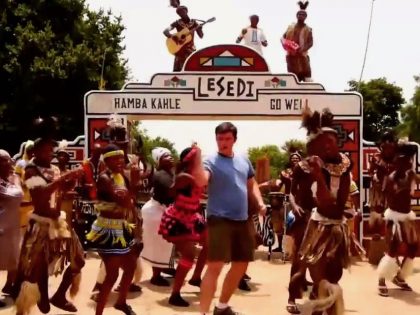
A brand of football trickery and showmanship have only reaped bad results on the field for South African teams, but is also a great dance.
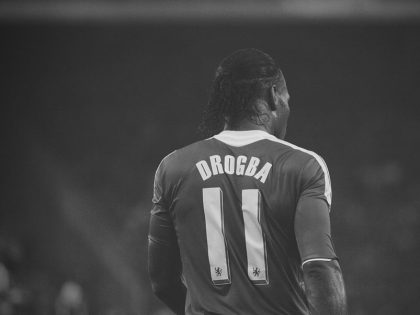
There's a lot of hype around Didier Drogba, including that he stopped a civil war in Cote d'Ivoire. How much truth is there to that story?
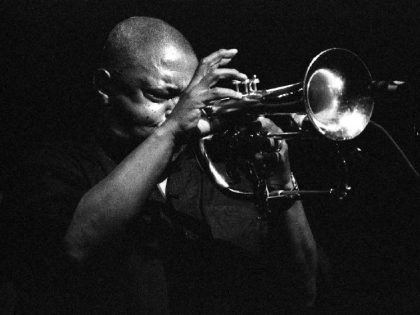
Hugh Masekela and his son, Sal, together explore the people, culture, landscapes and history of South Africa.
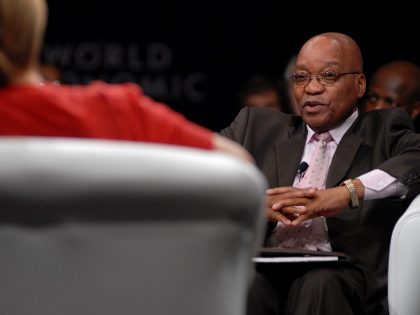
Here for your reading list: 10 things I have read quickly, seen or watched, listened to, been forwarded, did not really have the time to think about properly.
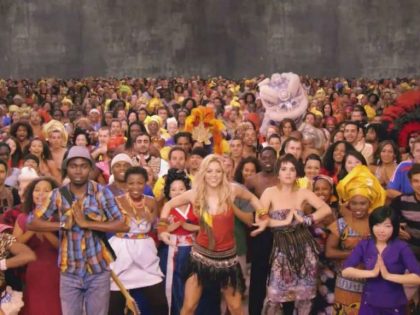
FIFA and the South African organizers of the World Cup have unveiled the 2010 World Cup "official" song: It's a rip-off of a Cameroonian military song.
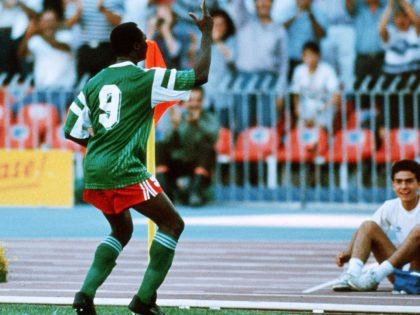
Coca-Cola’s ad trivializes Cameroon’s 1990 World Cup breakthrough, ignoring its transformative global impact.
Binyavanga Wainaina and Teju Cole are among those on a panel discussing the historic 2010 World Cup to be held in South Africa; the first time on the continent.
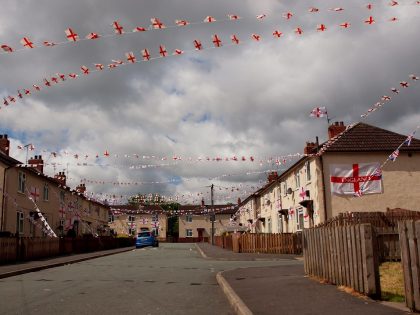
For those doubting South African can host a successful World Cup, the country has a long history of successfully hosting big tournaments.
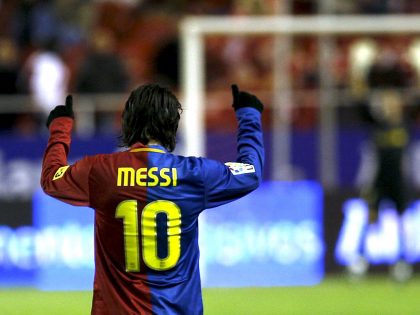
There is something tail-swishingly devilish about the way Lionel Messi runs with a football.

The Senegalese-American crooner's uninspiring "Oh Africa" reminds of bubblegum South African pop from the 1980s.
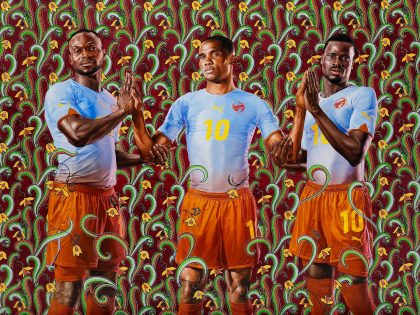
Wiley, known for painting black men as figures from Renaissance art, now does the same with Africa's best football talents.
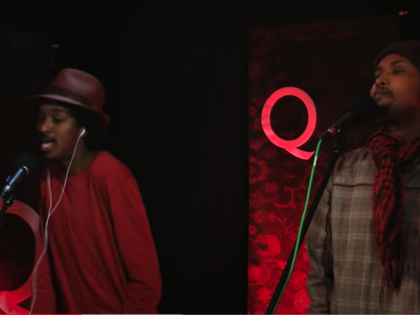
How a political song about the aftermath of the Cold War, refugees and statelessness was defanged, first for FIFA and then for Coca Cola.
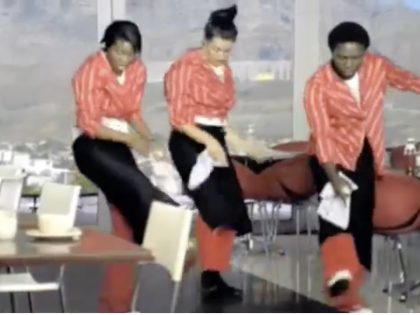
No one mixes nationalism, tourism and sport in a feel-good cocktail quite like the South African advertising industry.

Samuel Eto'o is the official face of the 2010 World Cup. He is also the most impressive African footballer of the last decade.