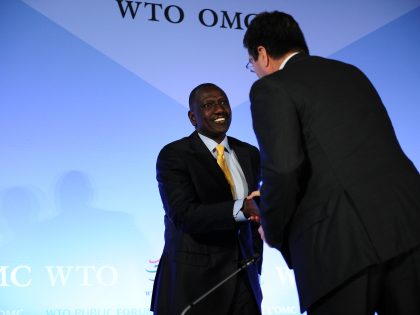
William Ruto and the evangelicals
Which theology we will use to make sense of the relationship between church and state in Kenya?
Which theology we will use to make sense of the relationship between church and state in Kenya?
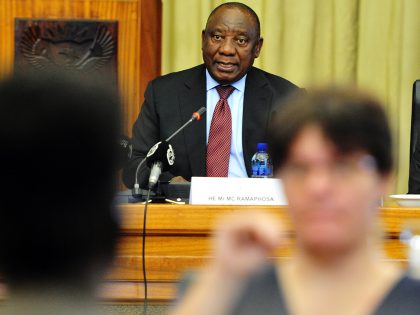
South Africa’s ruling party’s devotion to its policy of cadre deployment is an indication that it values its own power more than the public interest.
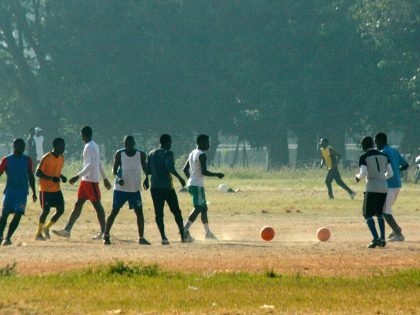
Nigeria did not qualify for Qatar 2022. The troubles in the country's football administration reflect the crises in the nation’s political culture.
The lesson from political economist Rok Ajulu’s academic work and activism: it’s not enough to change the “tenants,” but fight to change both the “state” and all of its houses.
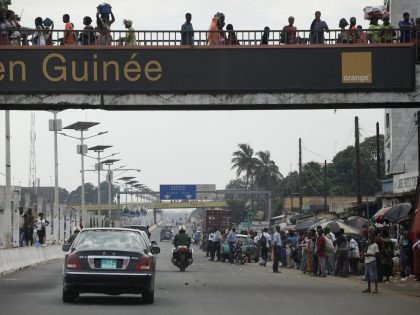
The wives of (former) heads of state form an important part of the political elite in Guinea, considerably shaping the country’s sociopolitical and economic past and present.
The world has changed significantly since the 2008 financial crisis. But the roots of today’s disorder, stretch further back than we think. This week on the AIAC Podcast, we discuss.
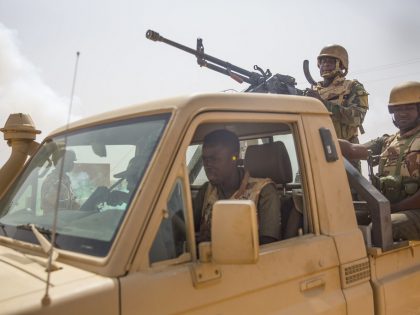
With the recent series of military coups, especially in West Africa, what is left for the future of politics on the African continent?
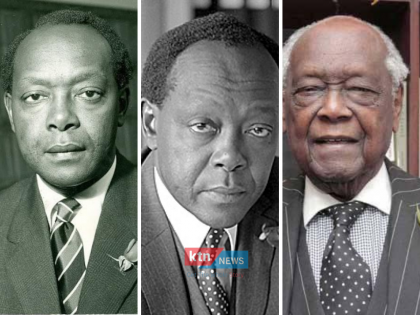
Charles Njonjo's legacy is as member of a powerful group of Kikuyu chauvinists who surrounded Jomo Kenyatta and corrupted the state.
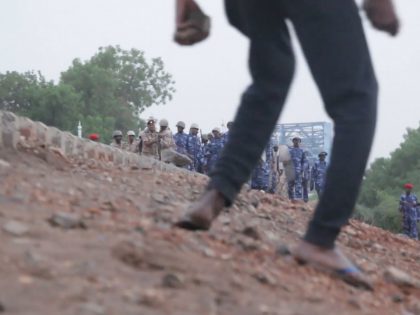
The dissonance between what is communicated through local and international propaganda machines and what is actually taking place across the streets of Sudan.
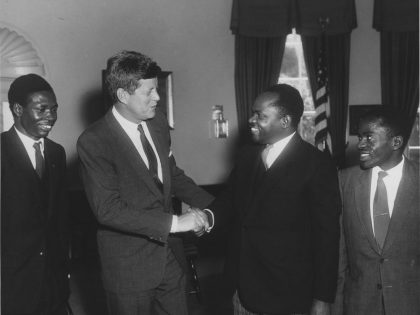
A new book revisits the career of Uganda’s first elected prime minister, Benedicto Kiwanuka, his followers, and political ideas.
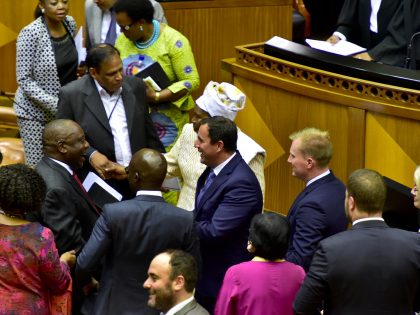
Different factions of South Africa's ruling elite are implicated in looting and profiting from the state. South Africans should take an attitude of a plague on both their houses.
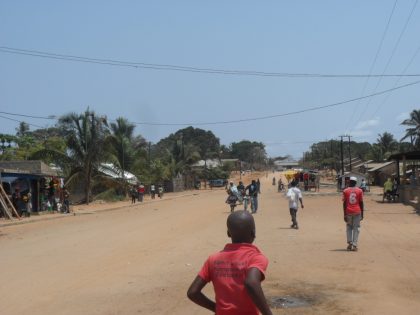
A new and different state is necessary to manage the complex problems in the region, but is it possible under the current regime that has fed the conflict?
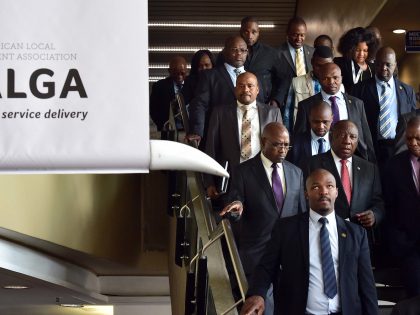
If re-municipalization — returning a privatized service to local public control — is to work in South Africa, we need other forms of social contracting between municipalities and citizens.
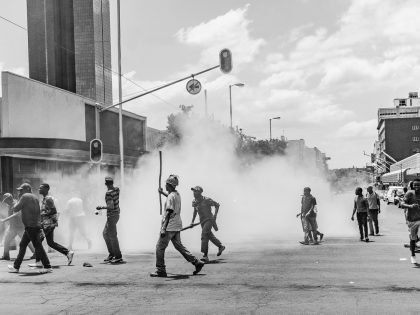
Ordinary working-class people have been forced to the belief that there can never actually be real solutions; stripped of the confidence that fundamental change can happen.
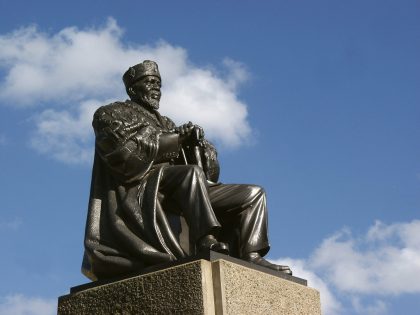
The Pandora Papers connects Kenya's ruling family to secret accounts in offshore companies and tax havens. But, state looting started with Jomo Kenyatta.
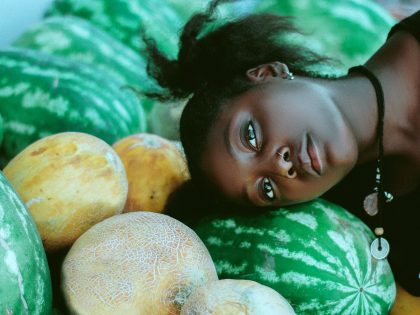
COVID-19 exposed and exacerbated inequality and insecurity in North Africa's food systems. But the roots of the current crisis can be found in the legacy of colonialism and new forms of imperialism.
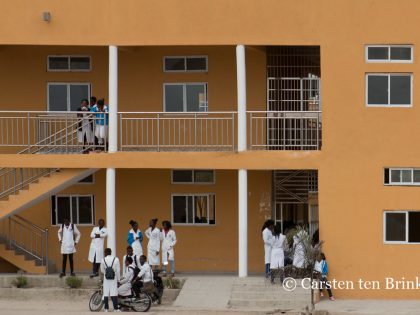
Em Angola, o governo de Presidente Lourenço não conseguiu resolver a pandemia de COVID-19 devido a corrupção e incompetência.
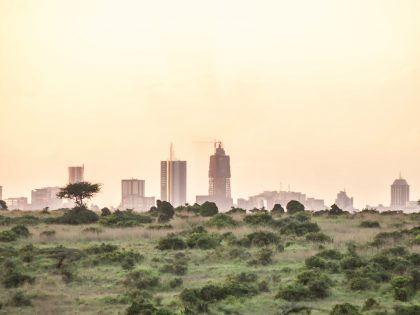
Three years on, the Building Bridges Initiative (BBI), initiated by Kenya's President, Uhuru Kenyatta, with former opposition leader, Raila Odinga, feels like an elite pact with no popular support.

The Indigenous people of the Tibesti mountain range that straddles northern Chad and Libya have been neglected and stigmatized by the elites who control and favor development of the south.
On AIAC Talk this week, we mark Independence Day in Sierra Leone, and Freedom Day in South Africa — but what does freedom really mean on the ground in these countries? Watch the show live Tuesday on YouTube.