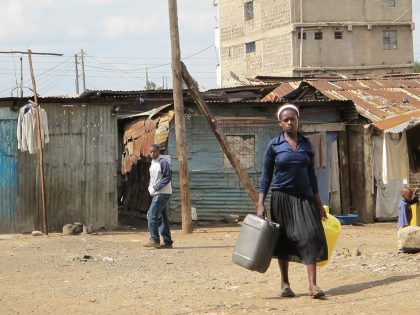
The People vs 4G internet and other corona stories from Kenya
This crisis has further emphasized the neglect of Kenya’s poor by the government, and is therefore “a wake up call that we are on our own.”
Search Result(s) for: “Covid”
This crisis has further emphasized the neglect of Kenya’s poor by the government, and is therefore “a wake up call that we are on our own.”
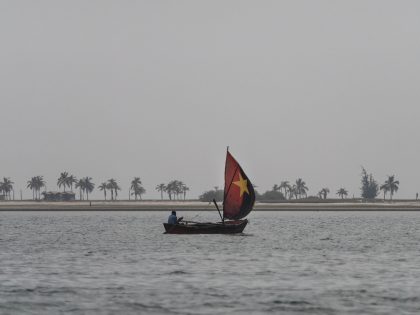
The make-believe consensus built around local government elections continues as always to ignore the views and expectations of Angolans. But the people are organizing.
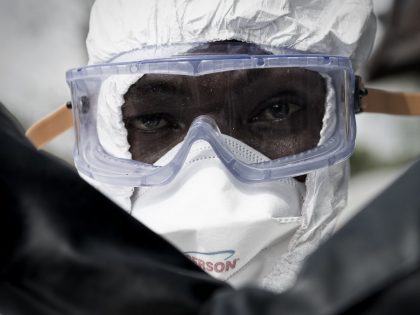
African health workers ask for decent work and a strong, public health care system — not applause.
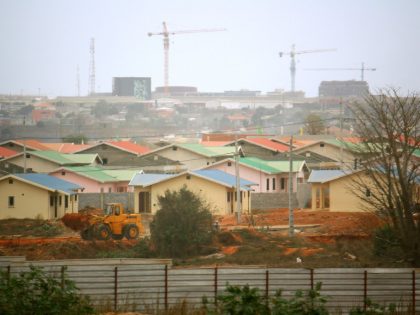
O consenso aparente construído pelo regime em torno das eleições autárquicas continua, como sempre, a ignorar as opiniões e expectativas dos angolanos. Mas a juventude angolana está a mobilizar-se.
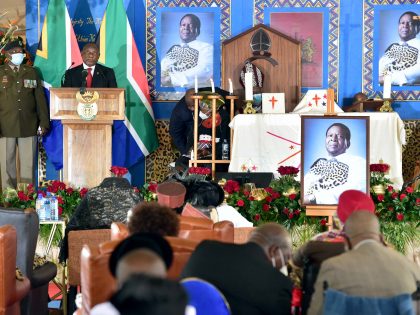
The death of the Zulu king highlights the unresolved issues that continue to shapes lives in the KwaZulu-Natal province of South Africa.
How race came to function as fuel to an exploitative economic system. Take the case of South Africa.
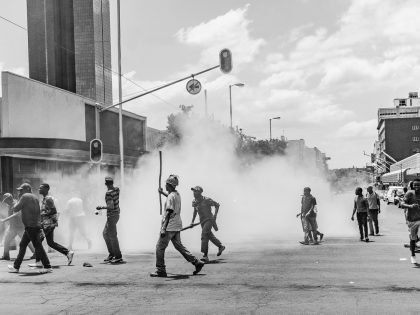
Ordinary working-class people have been forced to the belief that there can never actually be real solutions; stripped of the confidence that fundamental change can happen.
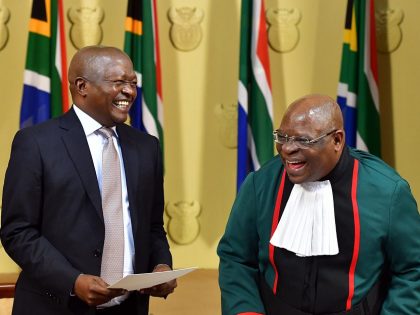
South Africans are learning the hard way that corruption cannot simply be solved through technical fixes and increasing “accountability” through locking the villains up.
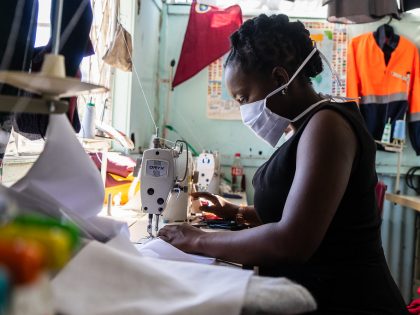
On the other side of the pandemic, we must strengthen and build strong working-class movements to challenge imperialism and neocolonialism.
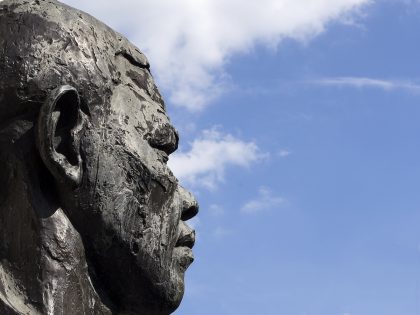
Nelson Mandela's life teaches us that being quarantined is not the end of politics, but for the regeneration of politics.
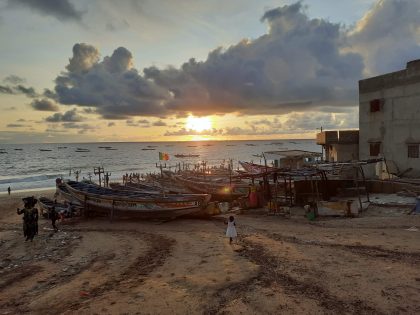
Teacher, journalist, and photographer, Ndeye Seck, talks about feminism and her teaching practice, the Senegalese education system and her passion for football.
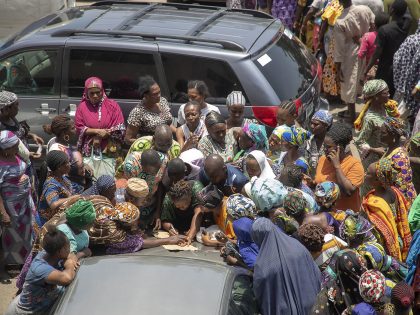
The irony of preaching social distancing to those living in close urban dwellings in Lagos exposes the crass nature of class disparities in Nigeria.
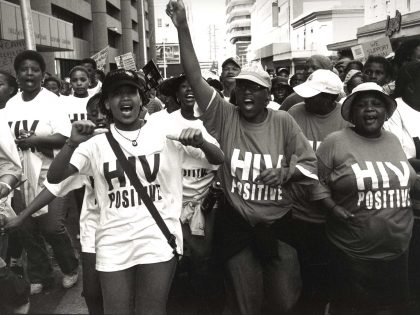
What do we know about the potential for new kinds of social movements in South Africa?
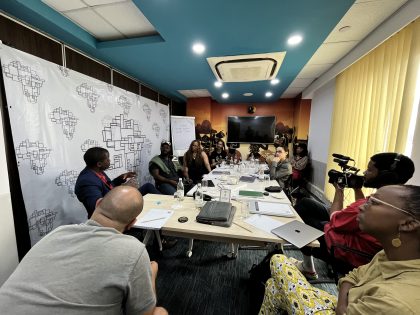
At our first workshop from our festival in Nairobi, The Elephant’s Joe Kobuthi, reflected on a year since #EndFinanceBill.
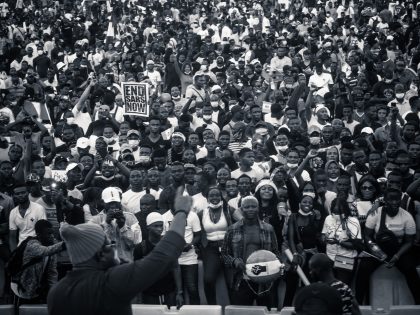
The working class that organized #OccupyNigeria should collaborate with #EndSARS. If these two boiling points burn together to produce the fire next time, a new Nigeria will be possible.
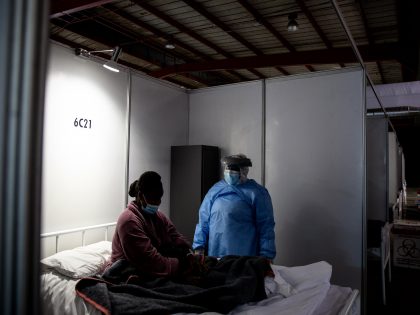
Anyone who lives in fear of getting sick exists in a state of unfreedom.
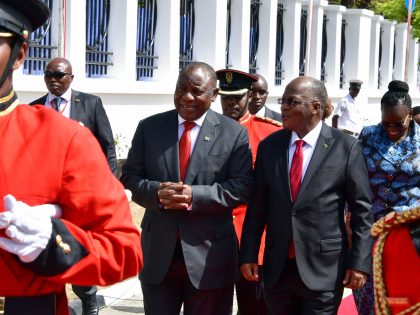
Has the recent death of Tanzania’s president John Magufuli created new political possibilities?
In the era of market-driven streaming, what are the pitfalls and potentials for African cinema?
Poet Mongane Wally Serote’s 40-year lament, still haunts Black South Africans: “it is only in our memory that this is our land.” The land haunts our memory, and, in turn, we haunt the land’s memory.
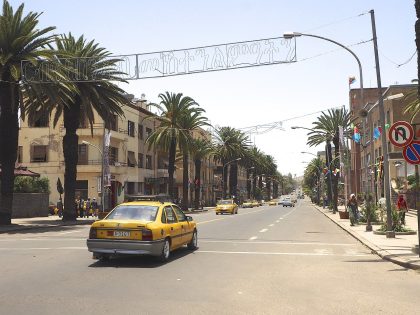
The Eritrean government continues to force students into military service in the middle of a pandemic. Things are about to get even worse.