New dawn or false dawn?
South Africa’s ruling party’s devotion to its policy of cadre deployment is an indication that it values its own power more than the public interest.
Search Result(s) for: “apartheid”
South Africa’s ruling party’s devotion to its policy of cadre deployment is an indication that it values its own power more than the public interest.
We know an enormous amount about what precipitated the 2012 Marikana massacre, but relatively little about what is behind the violence there since.
While Chileans have defeated the post-authoritarian neoliberal regime, they face major obstacles on the road to a post-neoliberal social democracy.
The impact of the Marikana massacre on South Africa’s student movement for free education, and an end to outsourcing, has been overlooked.
A scholar of Black Brazil discusses the past, present, and future of the antiracist movement, in the run up to this year's presidential elections.
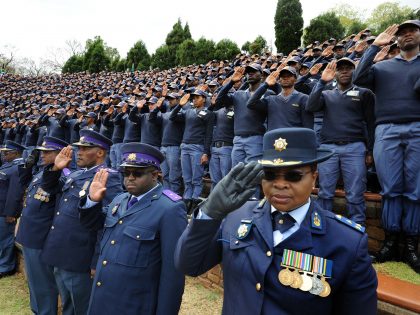
South African policing is a tool of social control and repression. Are democratic and humanistic alternatives possible? This week on the AIAC podcast, we discuss.
Where can the left look to inspiration in the wake of defeat? Our first letter from our new deputy editor.
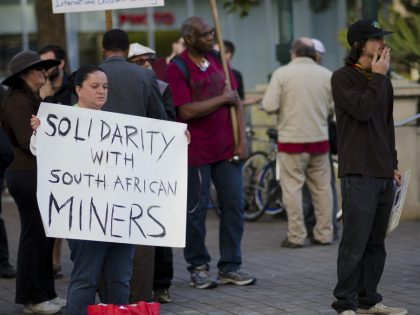
Why do representative bodies like the union, the party, and the so-called Left seem to fail its constituents during struggles like Marikana?
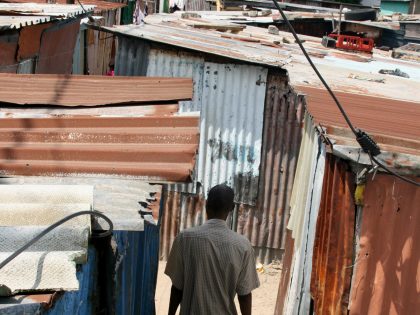
In South Africa, land occupiers are evicted from their homes in the name of housing delivery. On the Africa Is a Country Podcast this week, we attempt to understand why.
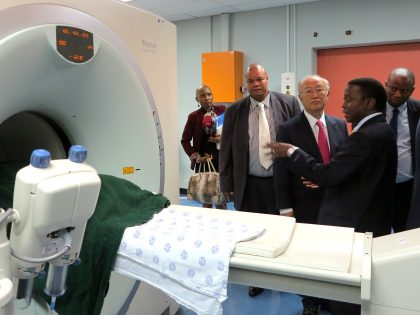
By using healthcare to attack immigrants, xenophobic political movements in South Africa echo long-standing right-wing obsessions.
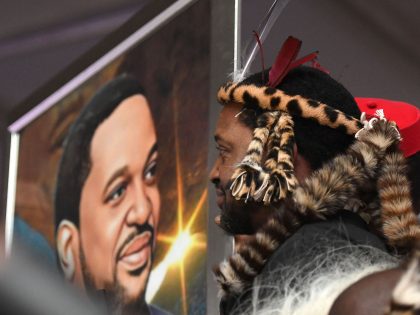
New Zulu king Misuzulu's strategy for ensuring the relevance of his monarchy copies from the Windsors in Britain: use the media.
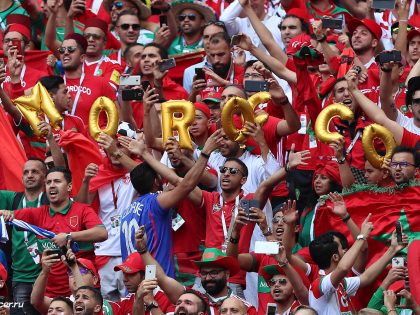
The reality of any society, any nation, and of our world, is much messier than picking a soccer team.
The campaign to separate South Africa's Western Cape from the rest of the country is not only a symptom of white privilege, but also of the myth that the province is better run.

The funeral of popular Angolan musician Nagrelha underscored his capacity to mobilize people and it reminds us that popular culture offers a kind of Rorschach test for the body politic.
The specter of Angola's 1992 elections continues to impact the country's democratic process.
Fear of the future, longing for the past: the new story in South African politics.
If an author writes with empathy, precision and authenticity about experiences foreign to their own, they're a good writer and not a cultural appropriator.

In his new book ‘The Blinded City,’ Matthew Wilhelm-Solomon takes readers into inner city Johannesburg not as it was or could be, but as it is.
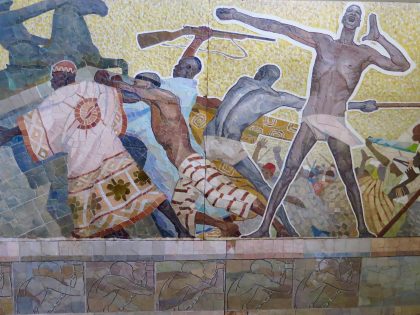
In light of Vladimir Putin’s war in Ukraine, Africans again grapple with the histories of Soviet — and then Russian — connections.
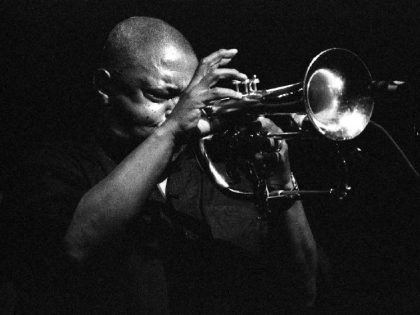
Hugh Masekela and his son, Sal, together explore the people, culture, landscapes and history of South Africa.