Asking for a friend
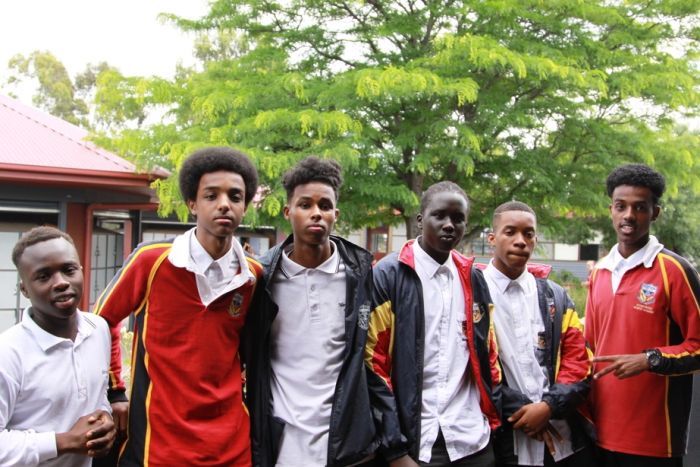
The The Maribyrnong 6.
The big questions that animated our friend this week:
Facebook, thanks for the ‘Paris Safety Check.’ Can we have one for Baghdad, Beirut and Borno too?
Why is a public execution with a sword worse than an indiscriminate drone attack?
Why weren’t the recent suicide attacks in Baghdad and Beirut and Borno also an attack on humanity?
Are the #Parisattacks really the “worst peacetime attack in France since World War II,” as BBC reported?
Where are the good analyses on the pro-Igbo protests in Nigeria?
Did you know that Angolan transgender kuduru artist Titica won the “African Feather of the Year” award in South Africa for defending the rights of the LGBT community?
Is Yannick Bolasie’s Youtube channel (including clips documenting his arrival at the airport in Kinshasa and from the pitch in Bujumbura right after a 3-2 away win in a World Cup qualifier) the best thing ever?
Does anyone want to doggedly overthrow Paul Theroux’s supposedly self-amassed obstacles to write his biography? I mean, his “writing” is already enough?
Why is France24 taking advice from FW de Klerk (who as recently as 2012 still defended Apartheid) on immigration?
Why does Stellenbosch University (where English will become the only means of instruction) suddenly care about coloured Afrikaans speakers?
What if black people inverted South Africa’s township tours?
How can a non-musician discuss the future of music from anything other than a consumer point of view?
If you’re in San Diego for the annual meeting of the African Studies Association on Friday night, why not come to our book launch?
* That’s The Maribyrnong Six in the image above. BTW, we wish our friend Binyavanga Wainaina a speedy recovery.