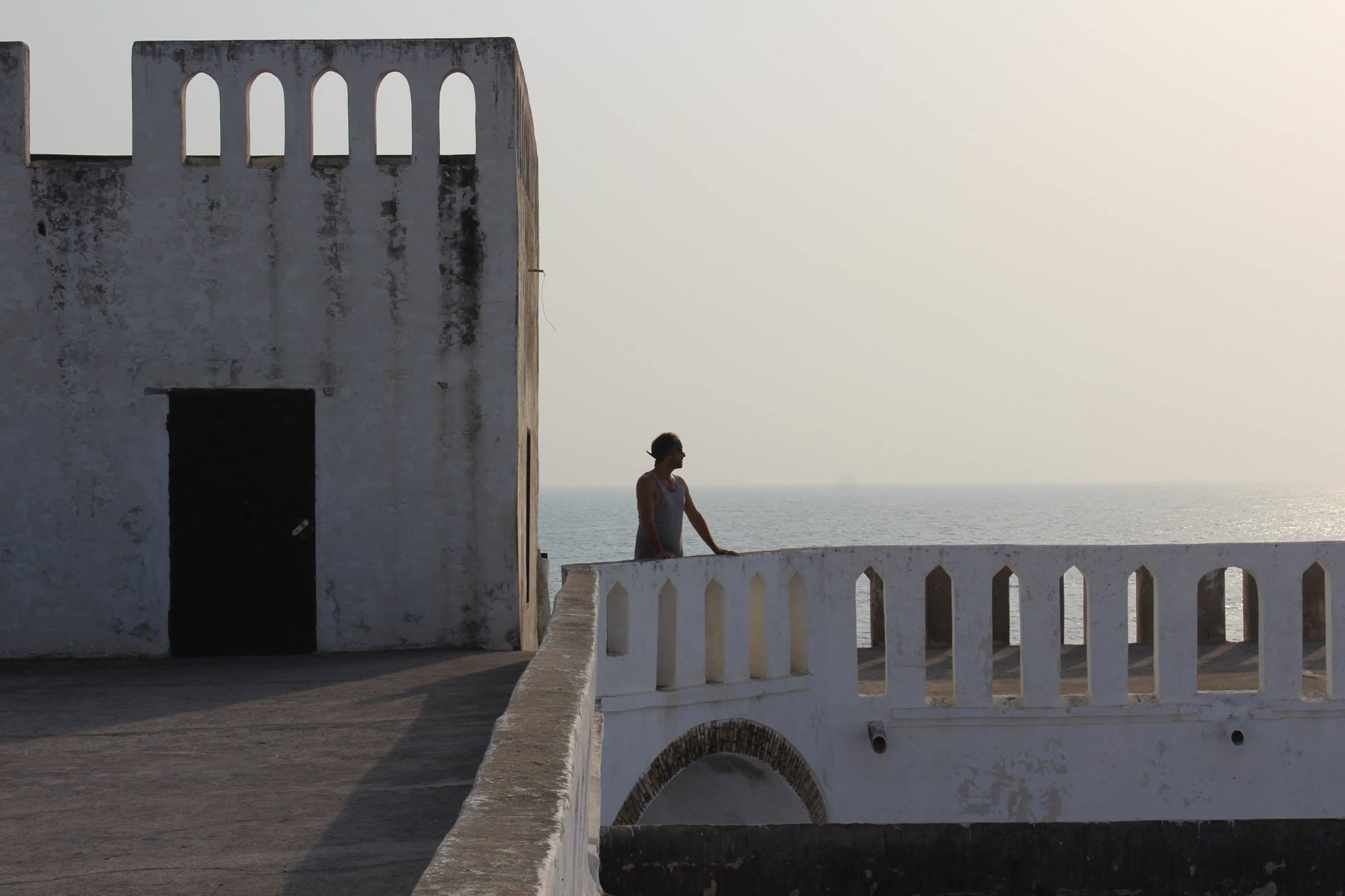
Today the American network NBC announced publicly that friend (and contributor) of Africa is a Country, Ashoka Mukpo, is the freelance journalist who has been diagnosed with Ebola and is being flown to the United States for treatment (read Ashoka’s thoughts on the root causes of the crisis here on Africa is a Country on September 23rd).

As a sort of get well card, I think it’s fitting for us to post the below video, recently shot by Ashoka, of Ebola songs performed at Pan-African beach in Monrovia. I know Liberian music is a great passion of his, it was through a shared interest in Monrovia’s Hipco scene that we first met in Liberia in 2011. After elections he stayed on in the country doing freelance work particularly around workers rights, but had recently returned to the states. This summer he hopped on a plane and decided to go back and help disseminate truth about the Ebola crisis (rather than the hysteria that tends to accompany the coverage of crisis in West Africa.) He had been doing a wonderful job of it.

We wish him a speedy recovery and return to action!

About the Author

Boima Tucker is a music producer, DJ, writer, and cultural activist. He is the managing editor of Africa Is a Country, co-founder of Kondi Band and the founder of the INTL BLK record label.

Further Reading

Slow death by food

Illegal gold mining is poisoning Ghana’s soil and rivers, seeping into its crops and seafood, and turning the national food system into a long-term public health crisis.

A sick health system

The suspension of three doctors following the death of Chimamanda Ngozi Adichie’s son has renewed scrutiny of a health-care system plagued by impunity, underfunding, and a mass exodus of medical professionals.

Afrobeats after Fela

Wizkid’s dispute with Seun Kuti and the release of his latest EP with Asake highlight the widening gap between Afrobeats’ commercial triumph and Fela Kuti’s political inheritance

Progress is exhausting

Pedro Pinho’s latest film follows a Portuguese engineer in Guinea-Bissau, exposing how empire survives through bureaucracy, intimacy, and the language of “development.”

The rubble of empire

Built by Italian Fascists in 1928, Mogadishu Cathedral was meant to symbolize “peaceful conquest.” Today its ruins force Somalis to confront the uneasy afterlife of colonial power and religious authority.

Atayese

Honored in Yorubaland as “one who repairs the world,” Jesse Jackson’s life bridged civil rights, pan-Africanism, empire, and contradiction—leaving behind a legacy as expansive as it was imperfect.