The Johannesburg Cup of Nations
The spirit of the African Cup of Nations is infectious in the streets of Johannesburg, especially in the inner city where different African nationalities coexist.
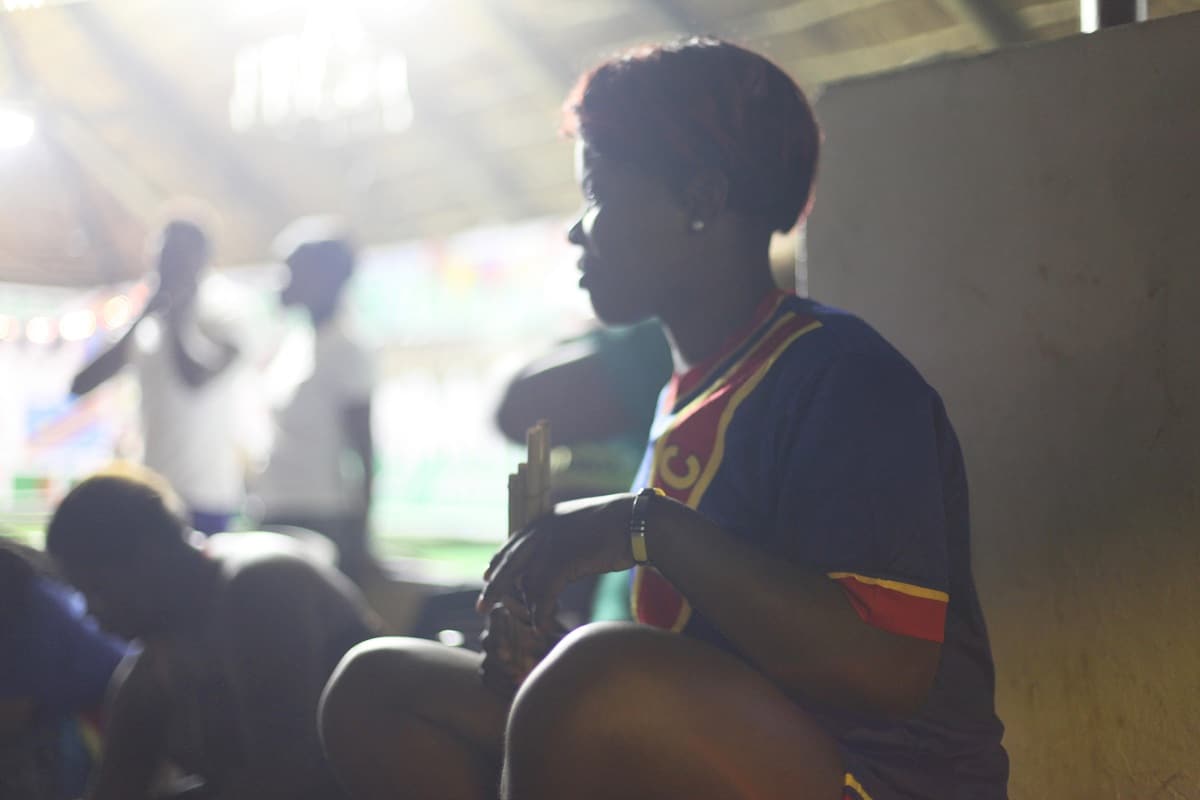
All photos: Tseliso Monaheng.
I live in the Western Cape Province, one of South Africa’s nine provinces popularly known as “Zillestan;” so named for Helen Zille, the white leader of the conversative opposition party governing the province. This particular fortress’ set-up – residential apartheid along racial lines remains largely in practice – makes it almost impossible to feel that one is part of a bigger whole, that is South Africa. In fact, Premier Zille has on occasion referred to people moving to the province from other parts of South Africa as “refugees.”
So on a recent trip to Johannesburg (which is in Gauteng Province), a couple of friends decided to invade a Congolese restaurant in Yeoville; Kin Malebo on 31 Raleigh Street in Yeoville. The African Cup of Nations, currently being hosted by South Africa (no matches in Cape Town) was happening. The game was between DR Congo and Niger; I had access to a camera and decided to tag along. The spirit of Afcon 2013 is infectious in the streets of Jozi, especially in the inner city where nationalities of all kinds from distant reaches of the African continent can be seen donning their respective countries’ national colors. In fact, I wrote something about the inner city and AFCON (how the African Cup of Nations is generally known) here.
The final score for the DRC vs. Niger match was a goalless draw. Good times were had by all.