
Porters of colonial legacies
By looking through the lenses of Brussels’ diverse youth, 'The Porters' questions the ways Belgium fails to deal with its colonial past.
By looking through the lenses of Brussels’ diverse youth, 'The Porters' questions the ways Belgium fails to deal with its colonial past.
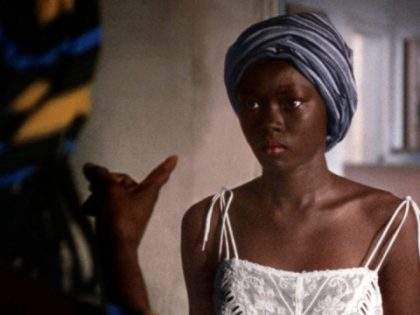
The Senegalese director, Safi Faye’s classic 1996 film, Mossane, is a love tragedy and a spiritual quest in Sereer land.

In ‘Black Girl’ (1966) and ‘Cuties’ (2020), M'Bissine T. Diop is a cautionary figure who warns of colonialism's wounds and afterlives for Black girl belonging in the present day.
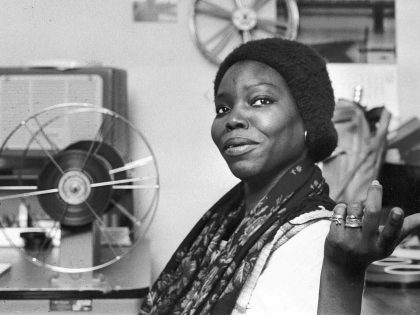
Safi Faye's 1976 film, 'A Farmer's Love Letter,' exposes the gap between the post-colonial state and the concerns of ordinary people.
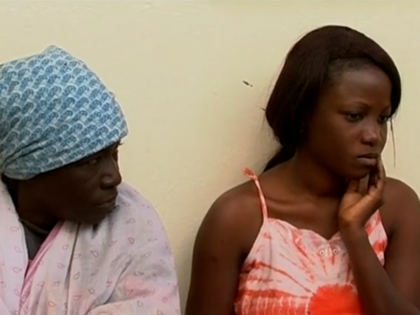
The last film of underappreciated Senegalese director, Khady Sylla dealt with mental health. It is worth revisiting it now for its groundbreaking portrayal of depression suffered by two women friends.

The second 'Black Panther' film is a fierce critique of the West's (neo)colonial adventures in Africa and the Americas.

Director Alice Diop’s 'Saint Omer' is preoccupied with what binds women together, the traumas that are inherited, shared and possibly overcome.
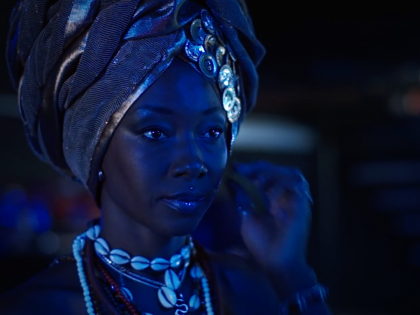
In the documentary film 'Abderrahmane Sissako, un cinéaste à l’Opéra,' the director is in complete control of his artistic vision.
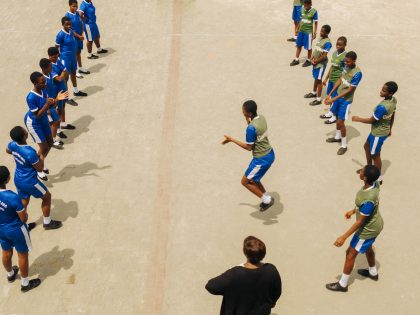
The Ghanaian game, Ampe, is an education in Blackness and womanhood.
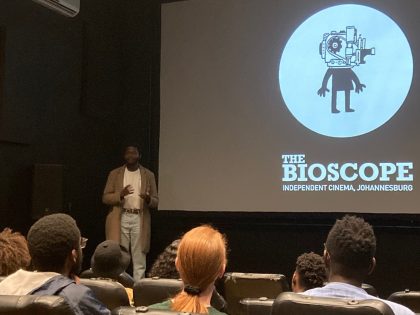
If someone had to hold the title of father of African cinema, Ousmane Sembéne would be the most compelling candidate.
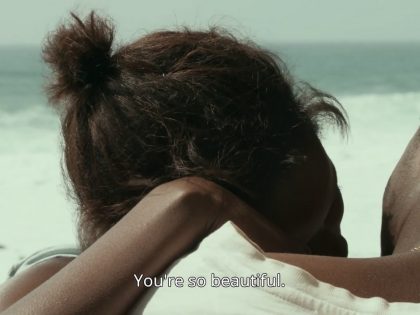
To be African means at some point to desire to leave. African cinema can provide solace for our tortured relationship to the West and our own continent.
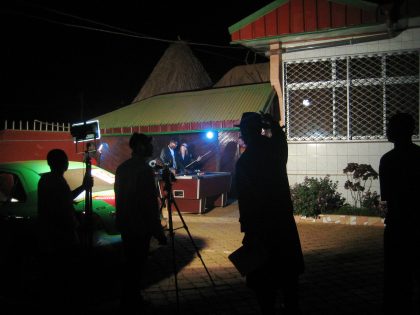
Nollywood makes more films than Hollywood and Bollywood. What it lacks is strong marketing and promotion.
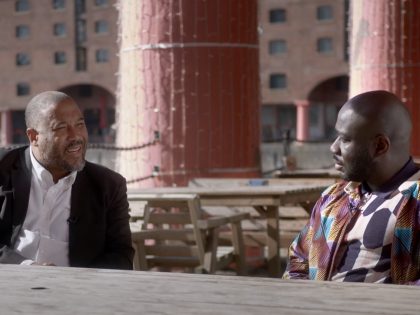
More than class solidarity alone, more than a technocratic climate justice, a reckoning with empire is necessary for our collective survival.
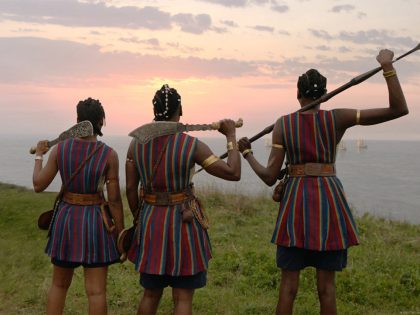
Although films like 'The Woman King' offer us a small glimpse into the past, they cannot give us the full story.
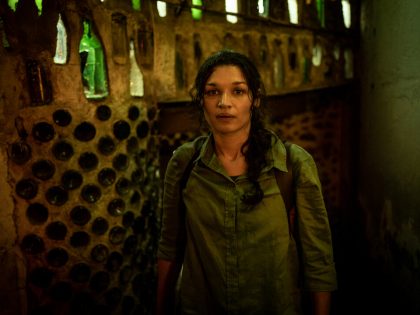
The crime drama 'Reyka' looks at violence in the troubled South African province.

Amil Shivji’s latest film, 'Vuta N’Kuvute,' is a gift, not only to the people of Tanzania, Zanzibar and its diasporas, but to the world.
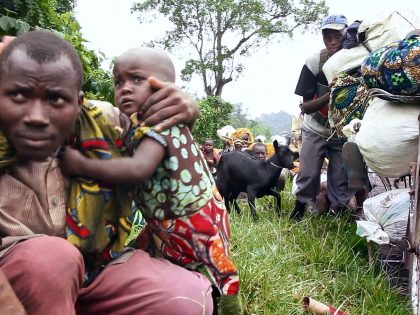
To put an end to general indifference about the 25 years of political violence in DR Congo, filmmaker Thierry Michel chooses to show the worst atrocities and to name the war criminals.
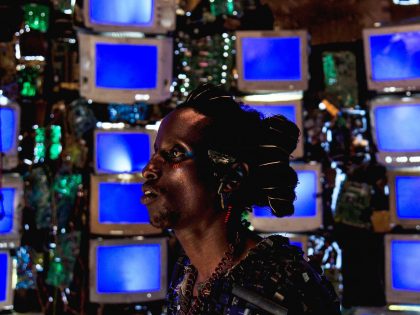
'Neptune Frost,' written and co-directed by Saul Williams, knows that extraction is everyone’s problem.
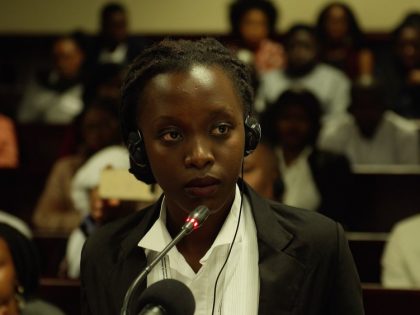
Director Shameela Seedat’s film about trainee lawyers provides a sort of celebration of youth on this continent and a vision of the next generation of Africans.

The historian Premesh Lalu’s film about an apartheid-era cinema on the Cape Flats also offers a glimpse of a future beyond racism for South Africa.