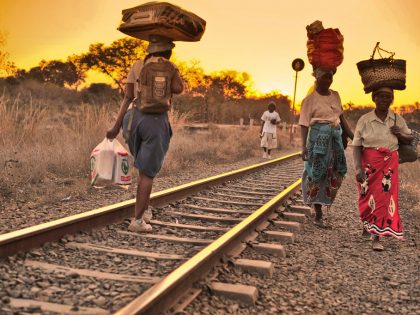
How to manage post-colonial African economies
For one, take economic management out of the control of neoliberal technocrats.
Search Result(s) for: “migration”
For one, take economic management out of the control of neoliberal technocrats.
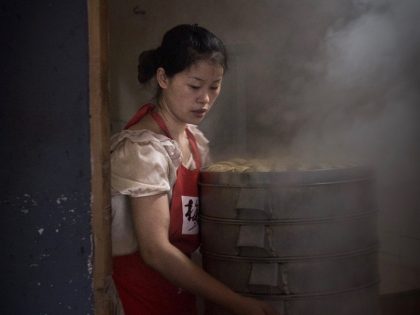
The reality for Africans living in China's 'African City' contrast greatly with the way their governments and China's leaders interact.
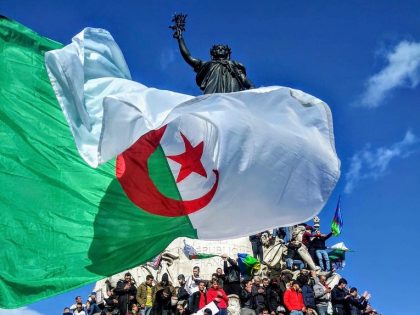
If what has been happening in Algeria since February 22, 2019, may not be a revolution, it very much looks like it.

A discussion with Nabil Ayouch, the French-Moroccan filmmaker, who captures the struggle for outsiders who exist in an oppressive society.
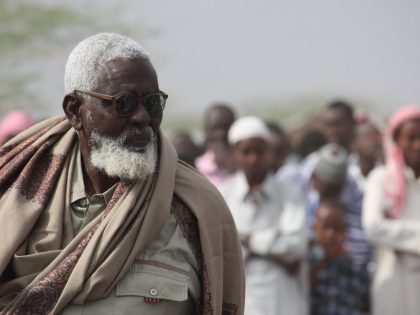
Those, mostly Somalis, born in Dadaab, since its creation in 1991, could be sent to a country they have never known.

On writers, empathy and (black) solidarity politics.
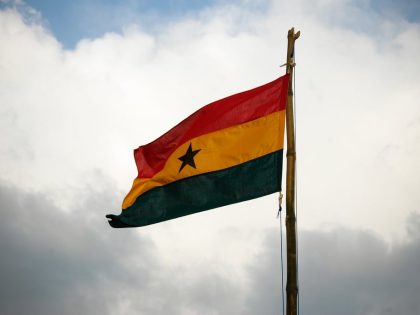
We asked a group of experts — journalists, academics and an architect — a bunch of questions about the elections. First: Does it matter whoever Ghanaians elect as president?
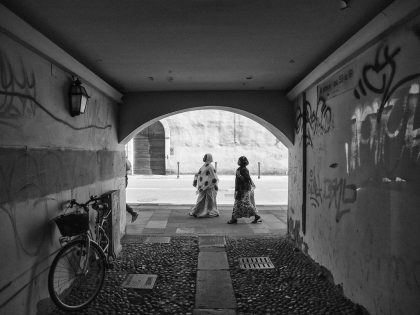
On mobility, democracy and making a decolonized future for Africa.
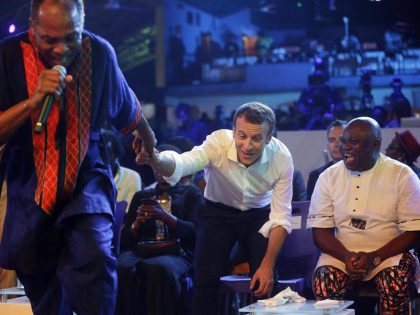
What does Emmanuel Macron's visit to Fela Kuti's New Afrika Shrine say about what happened to Fela Kuti's legacy in Nigeria.
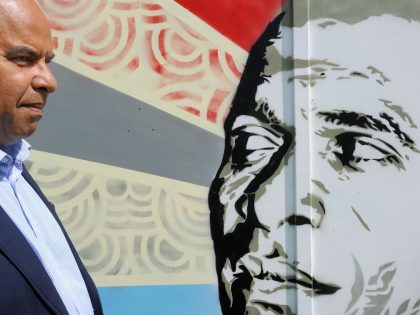
A documentary film takes Fanon's ideas out of the past and tracks the ways in which his ideas are resonating with today's young across the planet.

All that French marketing schtick aside about "the white Zulu," Johnny Clegg was a real one.
Italy also lacks a fully developed movement against racism led by people of color. It doesn't help that white activists prefers to racism as xenophobia.
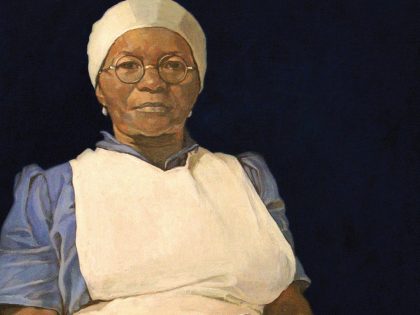
An excerpt from a new book published by Wits University Press that explores how domestic workers are depicted in South African historiography and literature.
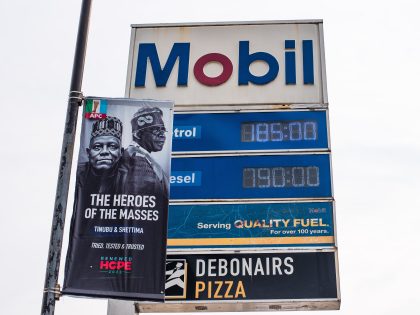
The country that once produced some of Africa’s fiercest moral voices now struggles to sustain independent thought.
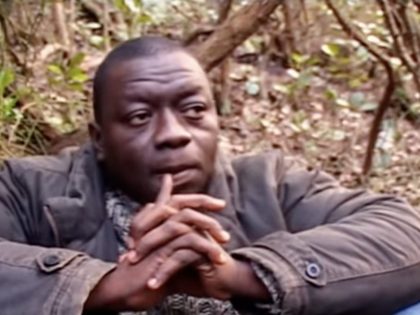
Sorious Samura joined African migrants trying to make it to Europe for menial jobs and loneliness.
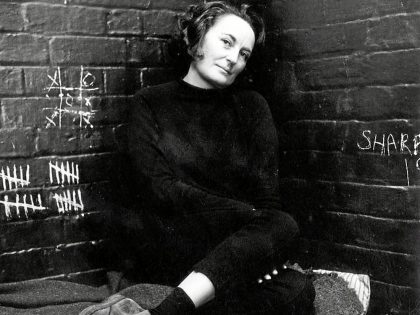
The great South African writer and activist, Ruth First, was assassinated by a letter bomb sent by the South African Security Police in Maputo, Mozambique on this day, 17 August, in 1982.
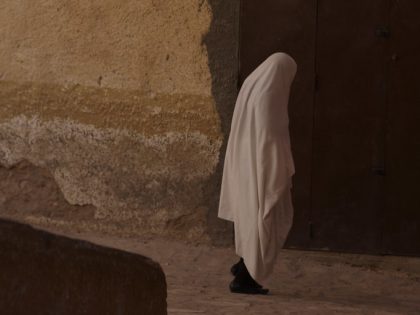
While protests in the north of Algeria grabs headlines today, protest and dissent in the Algerian Sahara have been going on for decades.
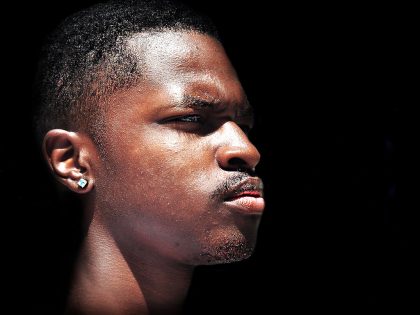
The Nigerian-American writer, Tope Folarin, wrestles with blackness and black immigrant identity in his new novel.

Lori Grinker's photographs of her scattered Jewish relatives includes a significant section on South Africa, including some unexpected relations.