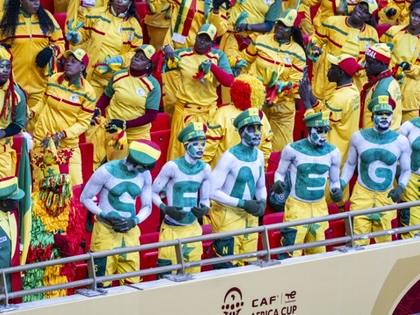
The World Cup Senegal can’t attend
Between the visa bond, the digital surveillance requirements, and the 74 percent rejection rate, the Trump administration has made it nearly impossible for Senegalese fans and journalists to attend the World Cup.
Search Result(s) for: “migration”
Between the visa bond, the digital surveillance requirements, and the 74 percent rejection rate, the Trump administration has made it nearly impossible for Senegalese fans and journalists to attend the World Cup.

Small scale farmers in Tunisia are caught between international actors and a domestic policy that protects corporations.

In the context of climate apartheid, a new scramble for resources, and debt crises, the Global South must find another way to be human.
The little-known history of Iranian cinema uncovers its overlooked history of slavery and anti-blackness.
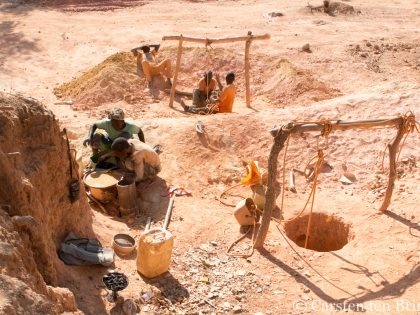
If the savannas of West Africa are a new corporate mining frontier in the 21st century, it's because it is also home to the world’s longest-standing indigenous gold mining economy.
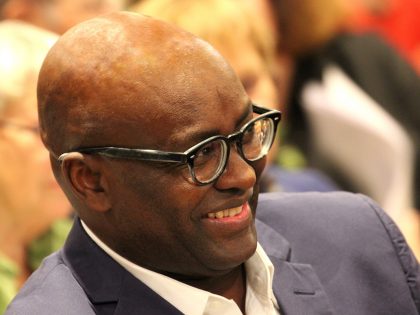
An interview with Achille Mbembe, including on the consequences of global capitalism on the continent.
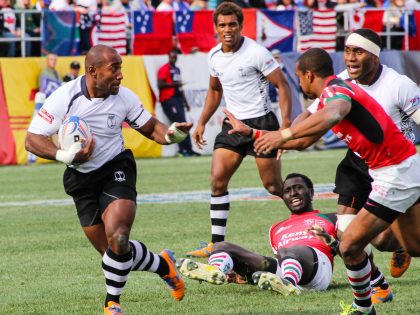
To celebrate 20 years of research on sports in Africa, the SportsAfrica network will publish a series of monthly articles on Africa Is a Country drawing on their members’ research.

Looking back at 20 years of research-based practice in Ghana, Jesse Weaver Shipley’s latest exhibition blurs the distinction between political rebels and artists.
A very subjective list of the top ten films of 2013.
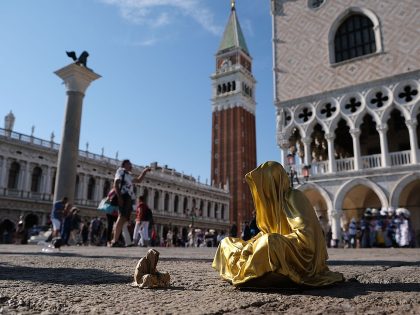
The theme for this year’s Venice Biennale, the ‘olympics of the art world’ is ‘Foreigners Everywhere.’ But beyond representation, what are the barriers to participation?
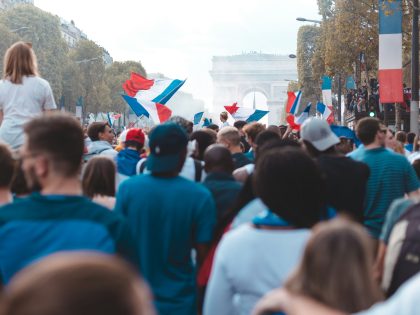
At the Euros, the French national football team isn’t talking about football, but the threat posed by a resurgent, xenophobic right-wing in Europe.
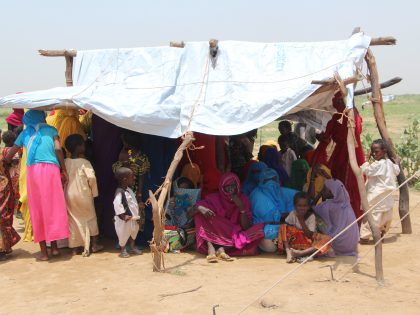
As catastrophe unfolds in Sudan, most of the world continues to turn a blind eye.
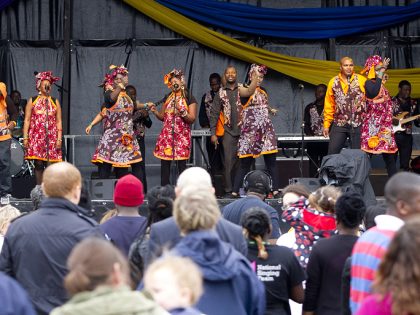
The producer of a BBC podcast on West African identity in Britain discusses her experience making, and the impetus for creating the series.
Socialist solidarity in postcolonial Angola and Mozambique rendered queer people invisible. Revisiting this erasure helps us imagine liberation anew.

The academic Ato Quayson remembers the celebrated Ghanaian poet and intellectual, Kofi Awoonor (1935-2013), who was murdered in a terror attack in Kenya.

Filmmakers like Nikyatu Jusu, of Sierra Leonean descent, provide reference points for young African immigrants growing up in the West.

Domestic workers in the Gulf typically face a double bind: as a foreign worker, you are governed by kafala laws, while as a female, you are governed by the male guardianship system.
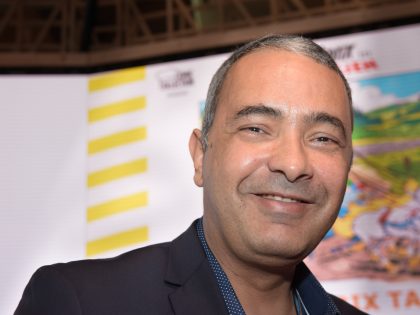
This week, Kamel Daoud became the first Algerian to receive France’s most prestigious literary honor. Yet, in Algeria, no one seems to care.