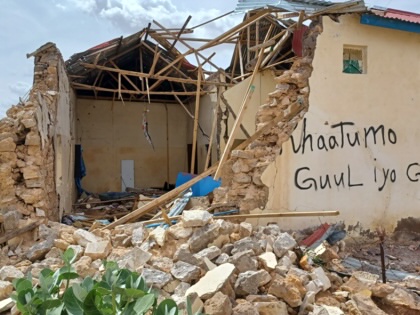
Why the US should not recognize Somaliland
Washington’s own record of intervention in the Horn of Africa — not Mogadishu’s — is the strongest case against recognizing Somaliland now.
Washington’s own record of intervention in the Horn of Africa — not Mogadishu’s — is the strongest case against recognizing Somaliland now.
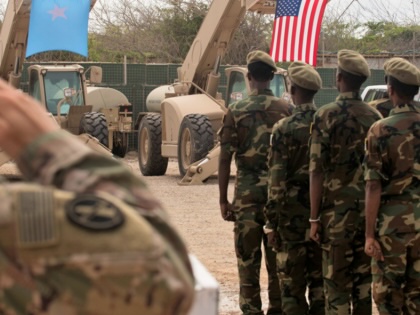
As the UN and the US pull back from Somalia’s security architecture within months of each other, Mogadishu insists it is ready. The gap between that confidence and the country’s political reality tells a different story.
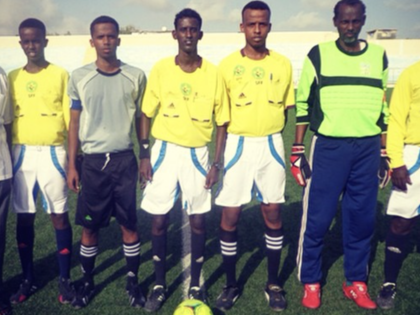
The World Cup was meant to be the culmination of Omar Artan’s remarkable rise. His exclusion from it revealed something equally striking: the magnitude of the admiration he had earned at home and globally.
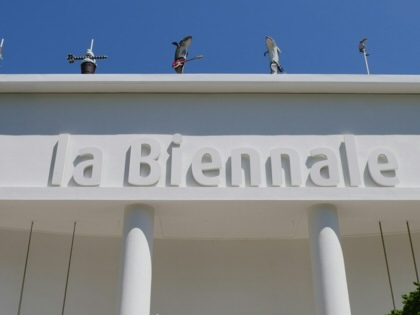
As Somalia makes its first appearance at the Venice Biennale, some Somali artists are questioning who gets to represent the nation — and on whose terms.
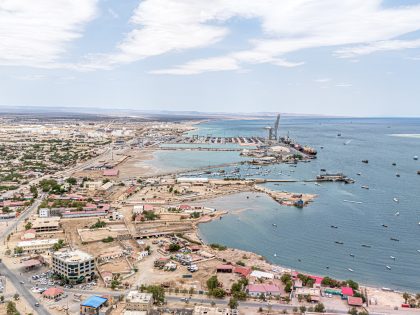
The withdrawal from the port city of Berbera by regional powers distracted by war, marks the end of an external system that managed the Horn of Africa — and the beginning of a deeper structural collapse.
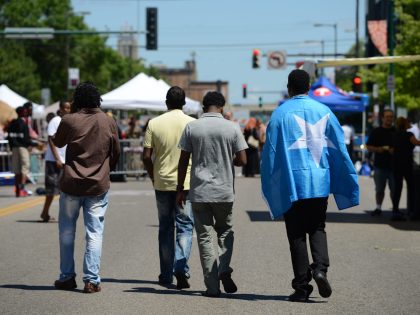
The Trump administration’s crackdown on Somalis in Minnesota ignores a longer history: decades of US intervention that helped produce the violence and displacement Somalis fled.
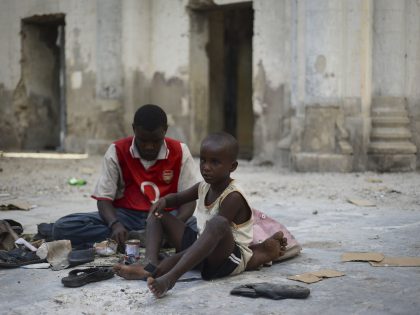
Built by Italian Fascists in 1928, Mogadishu Cathedral was meant to symbolize “peaceful conquest.” Today its ruins force Somalis to confront the uneasy afterlife of colonial power and religious authority.
Somalis have answered Trump’s latest racist tirade not with outrage but with a tidal wave of trolling.
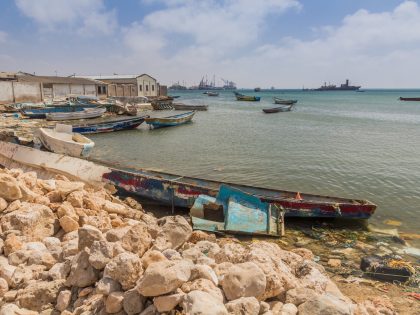
Half a century after the Soviets built their base on the Gulf of Aden, the same strategic coastline is once more drawing in foreign powers, old and new.
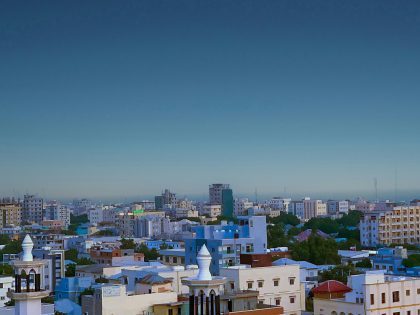
Without an immediate change in approach, Somalia will remain a fragmented country populated by self-serving elites seeking foreign patrons.
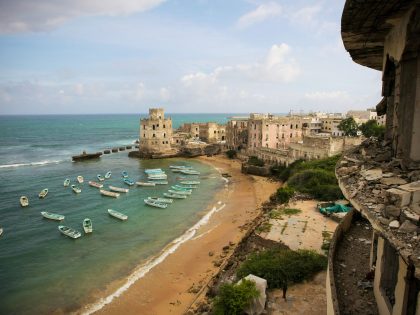
In Gaza and Haiti, the specter of another Mogadishu is being raised to alert on-lookers and policymakers of unfolding tragedies. But we have to be careful when making comparisons.
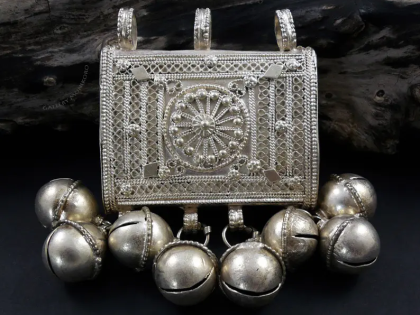
One man’s mission to reclaim Somali material culture.
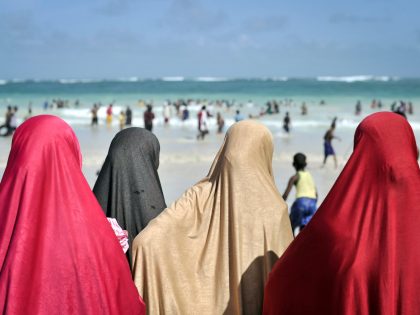
In Somalia, poets are considered organic public intellectuals.
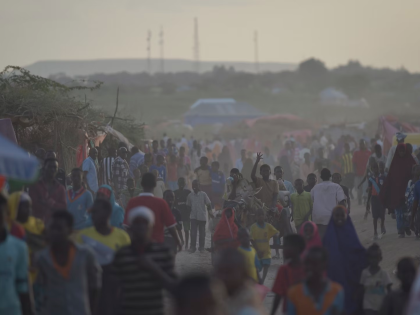
Somalia’s political landscape is increasingly fragmented due to regional and clan differences. Is this the end of the centralized state and a unified, national identity?
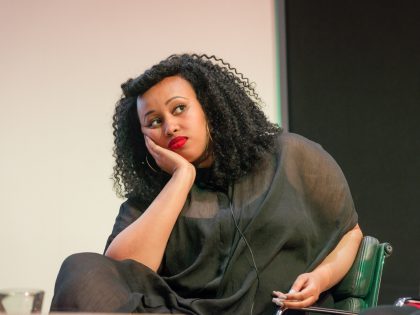
The British-Somali poet Warsan Shire’s audacious yet uneven volume of poetry captures the quiet loneliness of African immigrant lives in the West.
The novelist Nadifa Mohamed complicates Britain’s troubled, racist legal history through the personal tale of one otherwise insignificant person, a Somali immigrant to Cardiff in Wales.
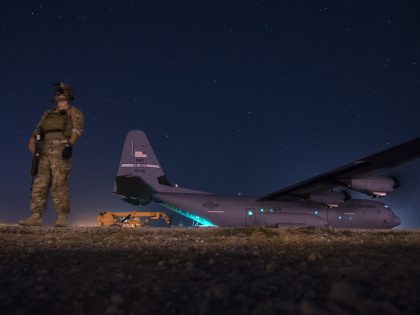
Somalis have enough to worry about. The last thing they need is more war, especially one sponsored by the United States’ War on Terror.
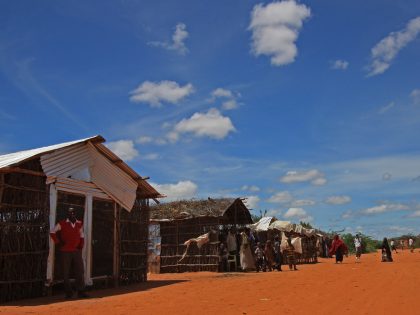
Somali refugees in Kenya are held hostage by political disagreements between their governments. Under international law, Kenya has a duty to protect them.
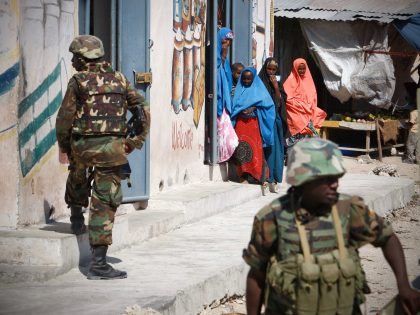
African states are involved in the War on Terror more than we think. They're surrounded by an eco-system of the war industry.
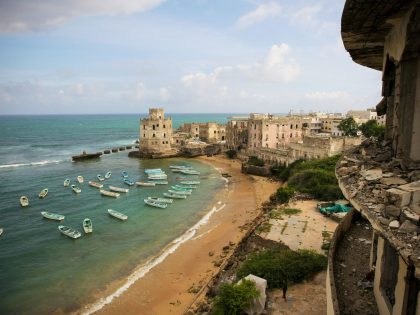
Exploring the different neighborhoods within Mogadishu raises the question: who is this city really for?