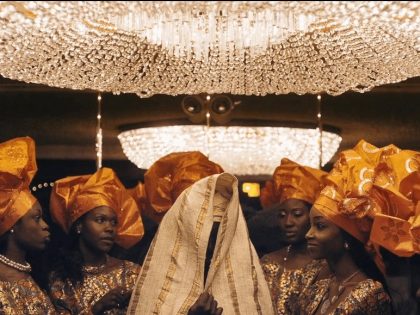
Romance and the average Yoruba girl
Are quirky white people with thriving, trendy careers in New York City, the only ones to find love?
Are quirky white people with thriving, trendy careers in New York City, the only ones to find love?
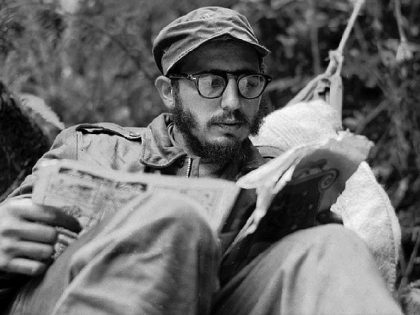
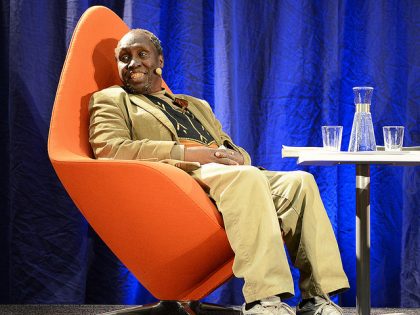
Can an African language literature prize be inherently Pan-African?
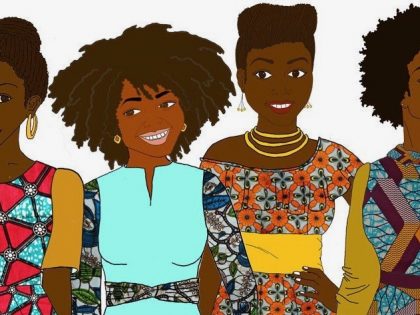
Nigerian publisher: it is time the continent’s consumer class gets romance lit that is entertaining and reflect the complexity of their lives.
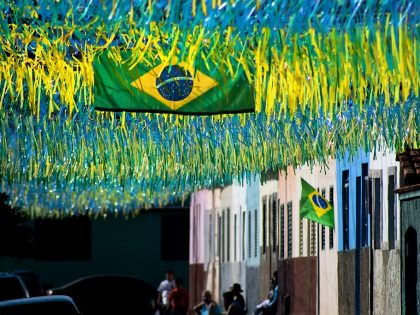
In "Futebol Nation," British journalist David Goldblatt explores the social and political history of Brazilian football.
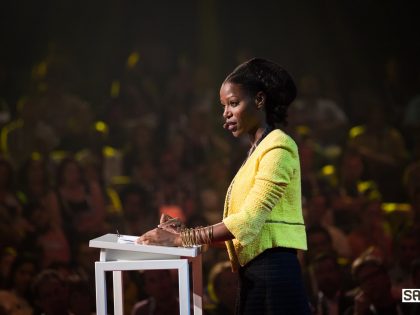
The writer Taiye Selasi doesn’t seem to realize there is a difference between identity as a subjective, biographical problem and identity as a legal and political reality.
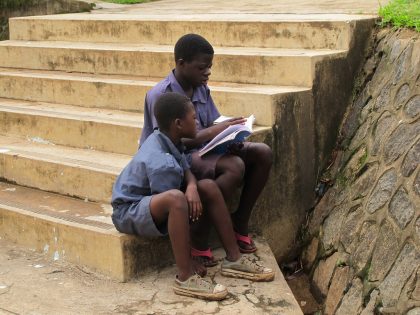
While visiting relatives in Nigeria, I found a children’s bookshop in Lagos with no African children or African languages in their books. That day changed everything.
The fact that the choices for black people under Apartheid were either martyrdom or compromise was part of the injustice of that system.
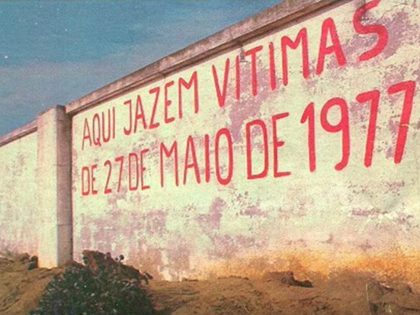
Lara Pawson's book about the complex and violent events on and after the 27th of May, 1977: the date of a supposed coup d’etat in Luanda, Angola.
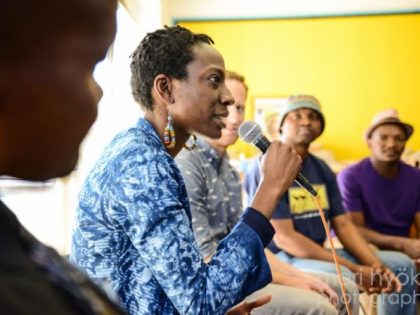
The story of Ba re e ne re, now probably Lesotho's premier literary festival as told by those involved from its start in tragic events.
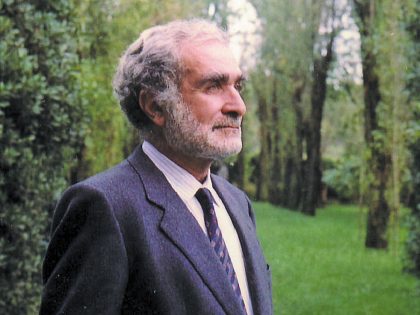
Alessandro Spina produced one of the greatest indictments against colonialism and jingoism, as well as a tribute to the Mediterranean’s cosmopolitanism.
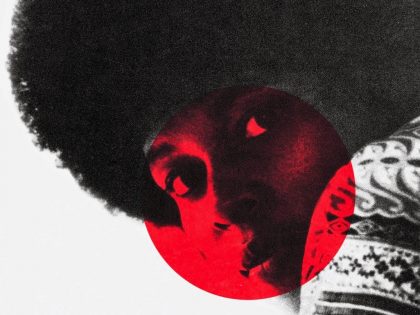
The Black American activist's relevance for today's generation following the killing of Mike Brown by police, and the suppression of protests in Ferguson, Missouri.
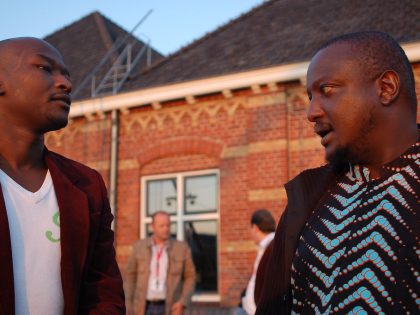
The inaugural winner of the Caine Prize for short fiction opines on the useless rivalry between Kenyans and Nigerians about who has won more Caine Prizes.
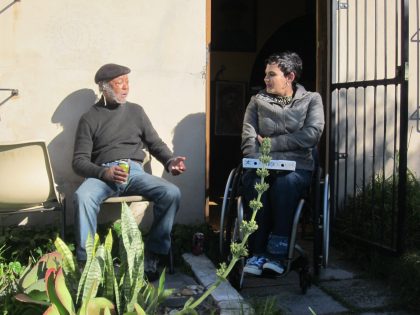
James Matthews has the distinction of being one of the first Black Consciousness poets and publishers in South Africa. He is the subject of a documentary by director Shelley Barry.
The struggle to Africanize folktales that have been thought of as “owned” by rigid European narratives and European aesthetic expectations.
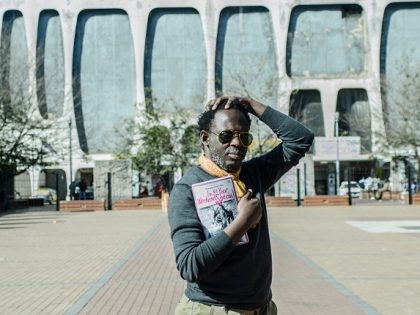
Tseliso Monaheng and Kagiso Mnisi speak to the editor of an edited book about South African pop star, Brenda Fassie: "I'm Not Your Weekend Special."
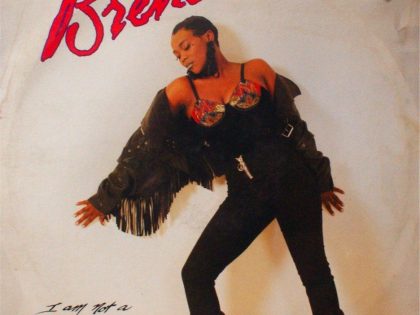
Brenda Fassie was a woman who stepped out of line, talked out of turn, wore the pants, pulled up her skirt and loved women and men.