Elegy for Robo The Technician
Lesego Rampolokeng's tribute to an old school pioneer and one of the key builders of the South African hip hop scene.
Lesego Rampolokeng's tribute to an old school pioneer and one of the key builders of the South African hip hop scene.
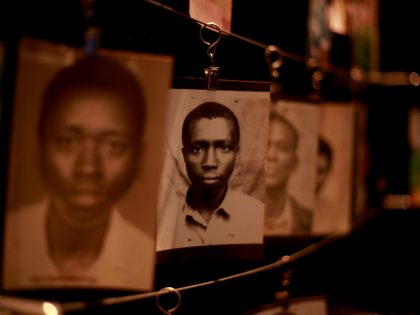
An extract from Mahmood Mamdani's seminal study, 'When Victims Become Killers: Colonialism, Nativism, and the Genocide in Rwanda."

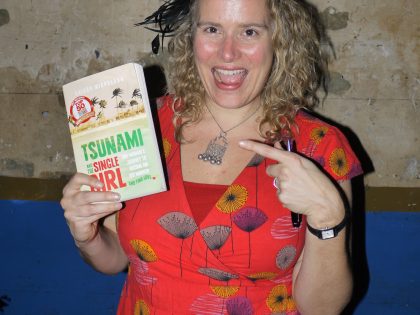
The historian Simon Stephens discovers a meme in the book covers of novels set in or with African themes.
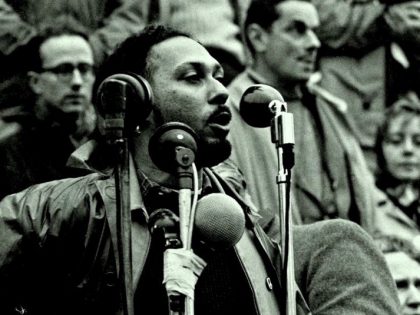
Hall was a skilled storyteller, who placed his memory, his deep sense of alienation, and his autobiography at the heart of his theory and politics.

Gabriel Garcia Marquez wanted to counter the notion that everything in Latin America can be understood only through Euro-American lenses.
The contradictions of U.S.'s domestic and international policies manifested by its wars on drugs, terror, and the country's Black communities.
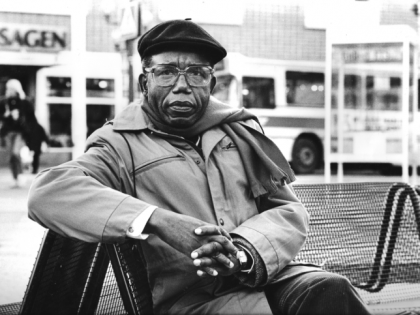
It is striking that that the topics his hosts discussed with Achebe in those days are still animating us.
Nigeria's Minister of Finance imposes a 62.5% tariff on imported printed books, where previously there has been none.
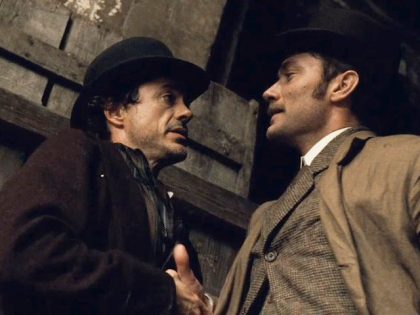
The real question is of course about the racism of Sherlock Holmes's creator, Sir Arthur Conan Doyle.
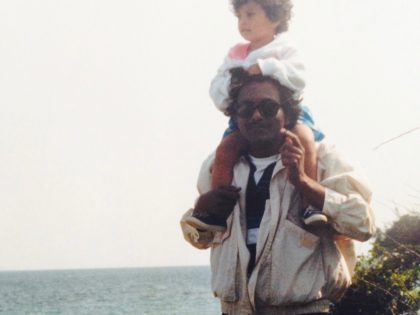
The writer on Frank’s Archive, based on her father's records, that explores the different functions of books, power and knowledge.

António Oliveira Salazar founded Portugal’s New State dictatorship in 1933. Some Portuguese still remember him fondly.

In Deji Olukotun’s novel, a Nigerian NASA scientist — on behalf of all colonized people — wants to return moon rocks that Neil Armstrong brought back to earth.
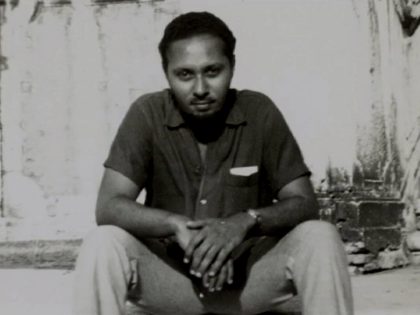
In gratitude to Stuart Hall, a socialist intellectual who taught us to confront the political with a smile.
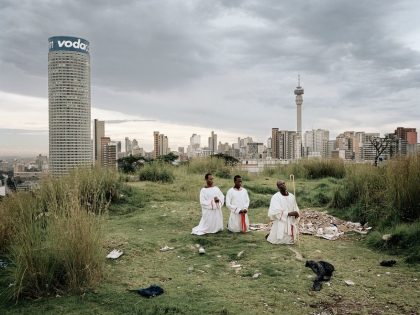
The 54-storey building in Johannesburg, built in the 1970s, is the tallest residential building on the continent, and subject of a new photobook.
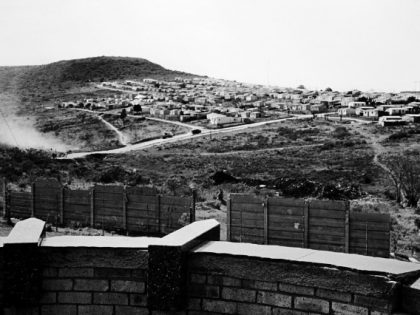

A lost chapter from Binyavanga Wainaina's memoir, "One Day I Will Write About This Place," dated 11 July, 2000, the day his mother passed away.
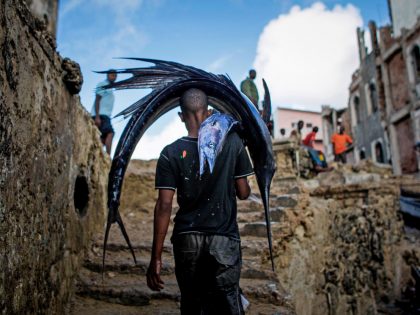
The melodic world alive in the work of Somali author Diriye Osman.
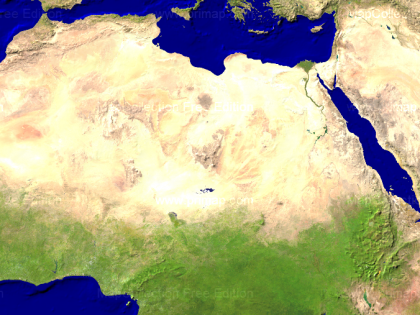
Pierre Joris and Habib Tengou edit a book about the multiple beginnings, traditions and genealogies in the literatures of the many languages of the region, and the region's diasporas.
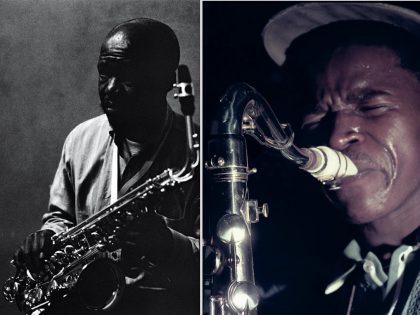
The first full color photographs of the vibrant, underground jazz scene that flourished in South Africa in the 1960s.