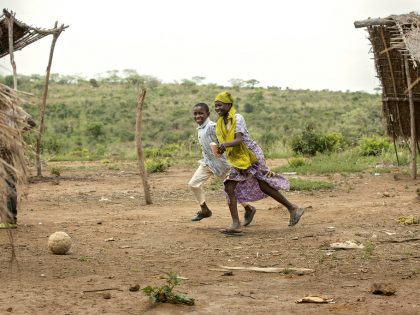
There is no one way to talk about migration
Beyond news headlines, African artists complicate common migration narratives.
Beyond news headlines, African artists complicate common migration narratives.
Mukoma wa Ngugi's opening remarks at the launch (today) of the 2020 Writers Unlimited International Literature Festival in The Hague.

Nthikeng Mohlele’s novel Small Things (2013) provides a rejoinder to J. M. Coetzee’s Disgrace (1999), depicting a black man’s perspective on the failures of South Africa’s transition.
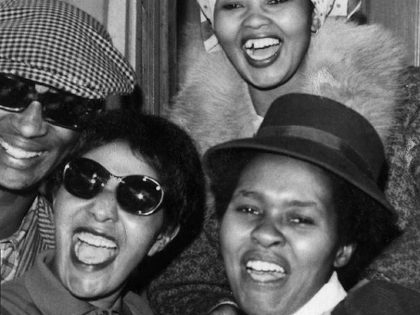
One of the few books about photography to come out of the continent and where the majority of contributors are African and work on the continent.
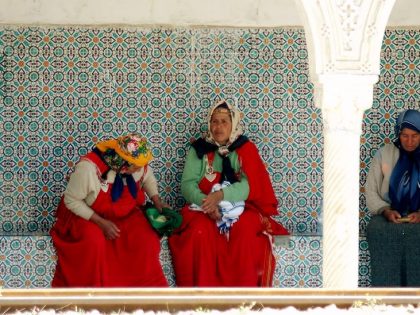
A new book of essays offers a nuanced glimpse into the complexities of reporting on the Arab world, including North Africa.
The historical novel is in vogue across the continent, challenging how we conceive of the nation, and how we write its histories.
A conversation with the founding editor of Bakwa Magazine — created to amplify new writing from Cameroon and from the African diaspora.
Medical anthropologist Julie Livingston argues that the conditions of capitalist modernity in which we live are not sustainable and are leading to increased rather than lessened inequality.
Black Women’s poetry has been largely ignored or denigrated in the world of South African letters. They have to do it on their own.
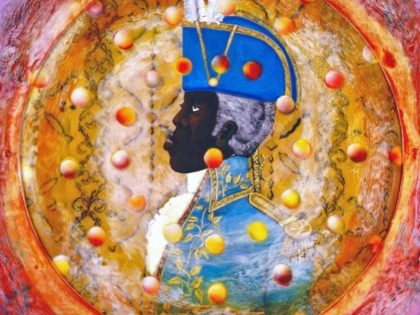
C.L.R. James' book about the Haitian Revolution, had an impact far beyond the Caribbean.
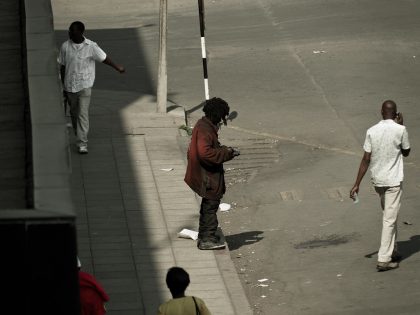
A personal reflection, by the daughter of a fighter in Zimbabwe's Second Chiumurenga, on the death of President Robert Mugabe.
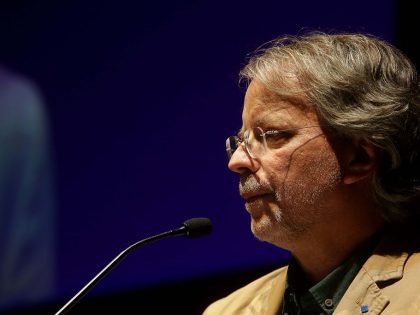
The celebrated Mozambican writer, Mia Cuoto, argues, among others, that it is essential that governments think in terms of the nation, not its elites.

How black South African authors have written about domestic workers. There's a rich archive there.
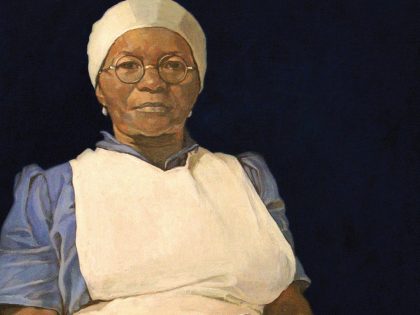
An excerpt from a new book published by Wits University Press that explores how domestic workers are depicted in South African historiography and literature.
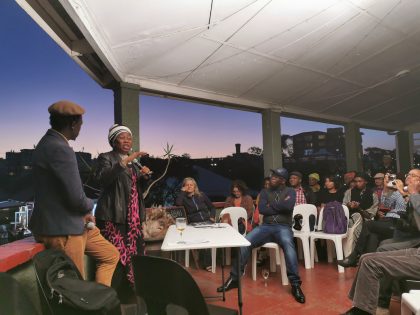
What happens when ike's, a legendary bookstore in Durban, South Africa, creates a literary festival? For one, synergy.
The novel The Youth of God offers fresh perspectives on Somali assimilation and struggle in Canada's largest city.
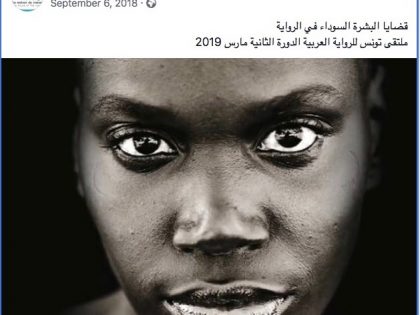
Racist, anti-black stereotypes persist in Arabic literature. It reveals a racial anxiety and othering of Africa among celebrated Arab authors.
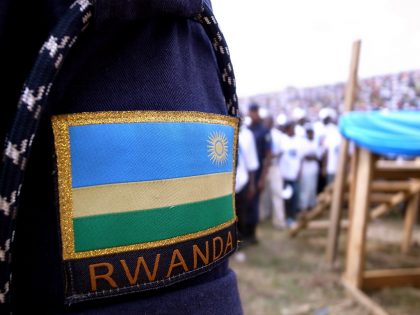
Judi Rever's account of the Rwandan genocide and its aftermath challenges the official narrative.
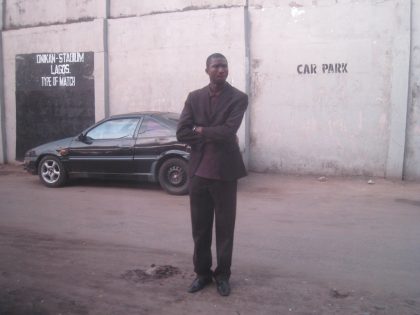
Everyday Lagos and Lagosians fill the pages of Leye Adenle's thrillers, but fail to fill some holes in the plots.
A new memoir by South African-American Stephanie Urdang offers a remarkable and feminist view of love, longing and revolutionary struggle.