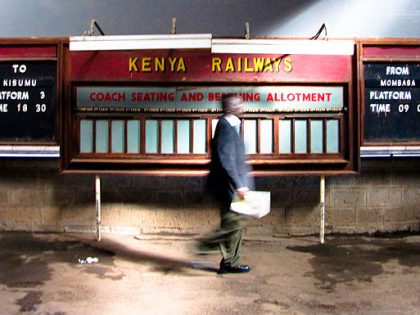
Full steam ahead
Is there a future for industrialization on the African continent?
Is there a future for industrialization on the African continent?
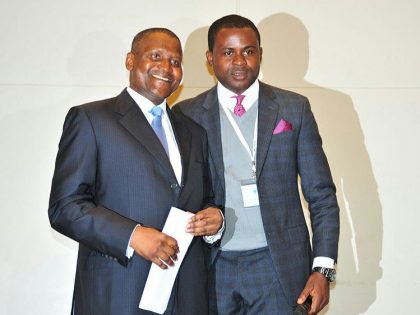
Despite what Dangote wants us to believes about the magical power of entrepreneurship, his business savvy alone is not why he made it.
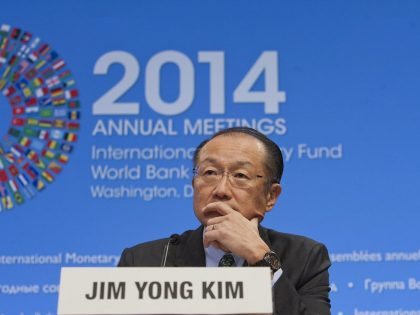
Through poor judgement, poor oversight, and negligence the IFC, the private investment arm of the World Bank, too often appears to be doing more harm than good.
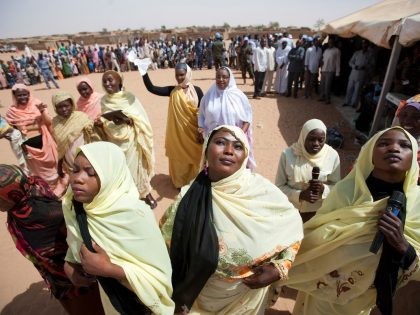
As the commodity super-cycle’s denouement now makes obvious the need for change, at least it is clear to all that Africans are not lying down.
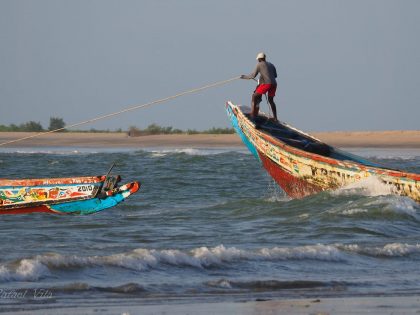
This is the first opportunity for Gambians since independence in 1965 to have a broad-ranging public conversation on its future.
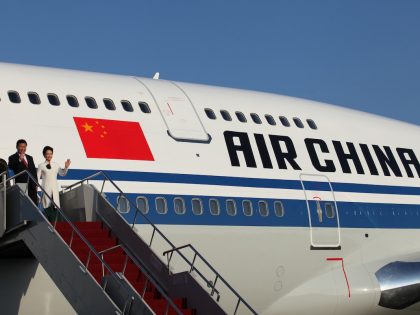
Opportunities like China’s One Belt One Road Initiative cannot simply be ignored, but should be engaged with critically.
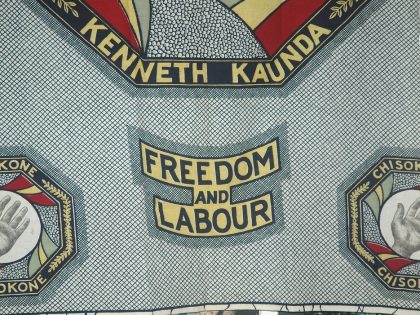
In Zambians' hurry to get rid themselves of President Kenneth Kaunda, they lost their way in the process.
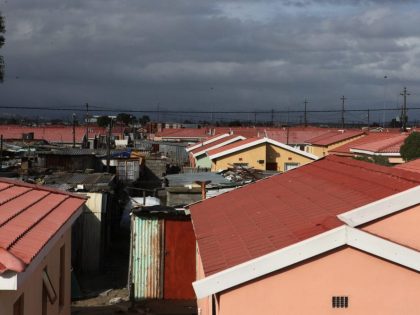
The ways in which state elites and the private sector have found ways to swindle the poor.
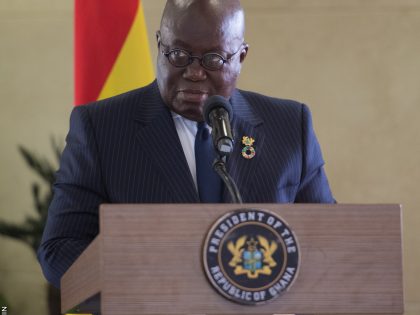
Ghanaian political-economic actors are limited in their ability to change conditions because of massive debt and the influence of investors and loan-makers.
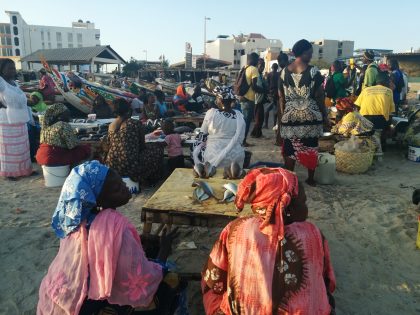
What is the death of a pregnant informal fish seller in Dakar to the suffering of sweatshop workers in Bangladesh or refugees at the borders of Europe?
It is worth revisiting economic historian Morten Jerven's book "Africa: Why Economists Get It Wrong" (2015), a refreshing contribution to the debate about development scholarship on Africa.
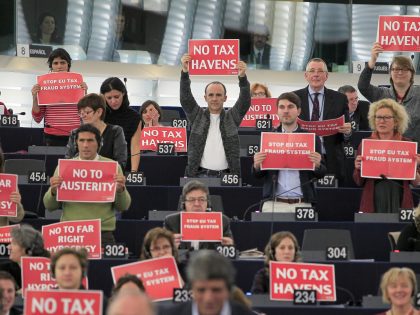
Across Africa, the working poor often end up carrying the burden of raising tax revenue while the multinationals go scot-free. And women bear the brunt of it.
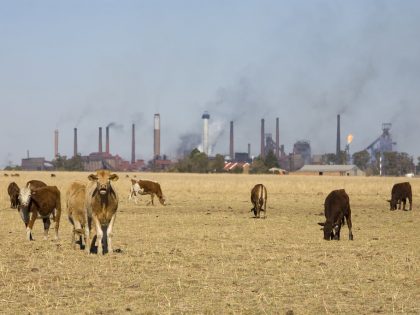
The rowing acceptance of what critics of structural adjustment programs have been arguing for decades, (seems to have had minimal impact on the IMF's actions.
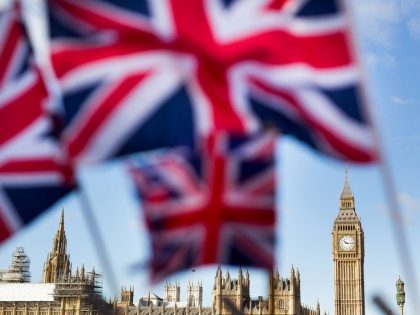
The short answer: The UK doesn’t have the same influence on the continent that it did decades ago. And Brexit will be further proof of that.
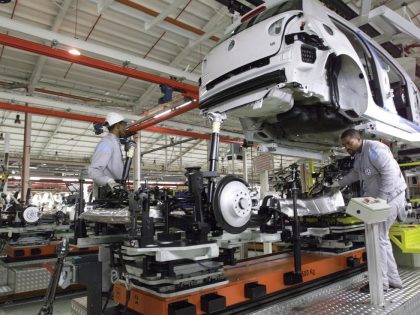
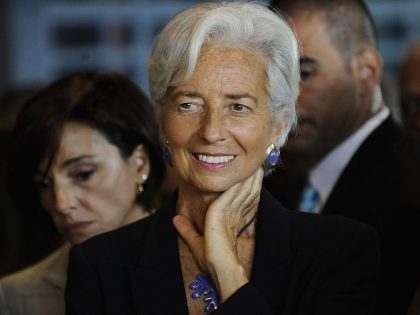
The IMF is now acknowledges its neoliberal agenda over the last couple of decades was a mistake. Should we take them at their word.
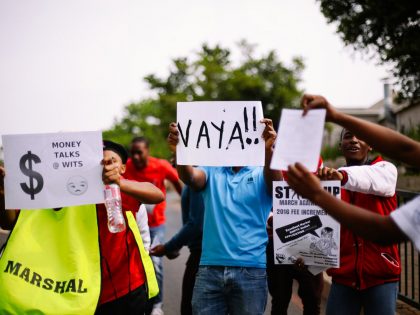
Postcolonial and intersectional theories, the dominant tendencies in student movements, suffer from an absence of economic analysis.
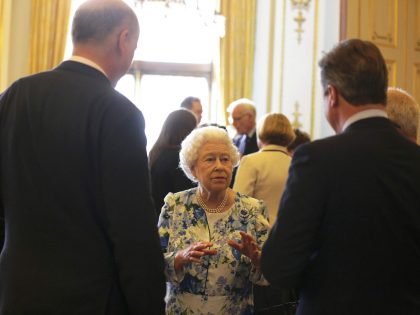
Where did UK Prime Minister, David Cameron, get the idea Nigeria and Afghanistan were the most corrupt countries worldwide and the UK was squeaky clean?
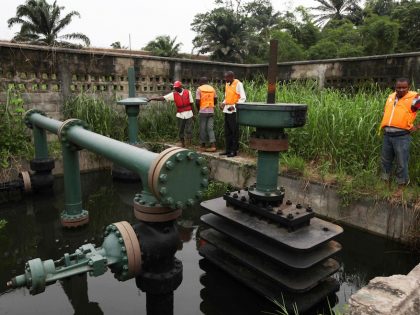
Reading maps, the interventionist state and another $15 billion missing from Nigeria's government.