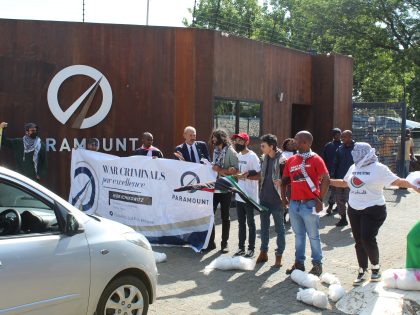
Arming oppression
Africa’s largest arms trader is trying to obscure its ties with apartheid Israel, and its connections to other autocratic regimes.
Africa’s largest arms trader is trying to obscure its ties with apartheid Israel, and its connections to other autocratic regimes.
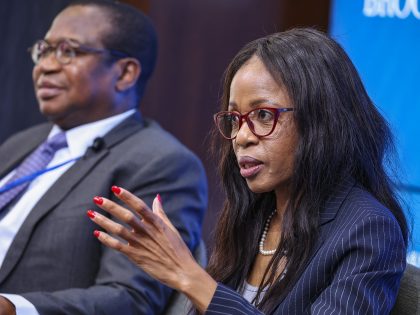
The Knowledge Portal of the Nawi Afrifem Macroeconomics Collective is a digital apex platform that collates and curates African women’s knowledge resources on the economy.
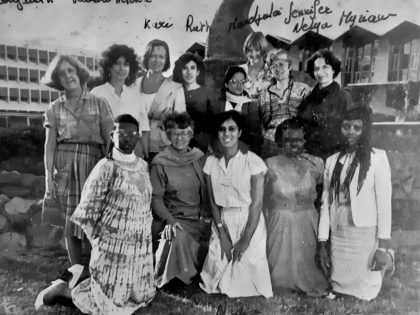
In the 1970s, young left-wing activists fought clandestinely for Senegal’s democratization under Senghor’s brutal regime.
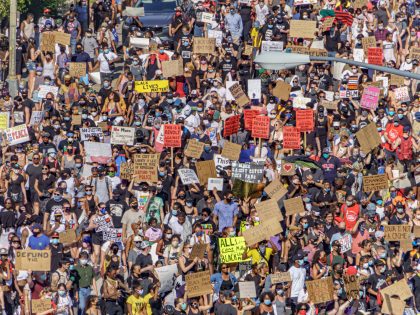
The last decade saw the most protests in human history. But how is it that so many uprisings led to the opposite of what they asked for?
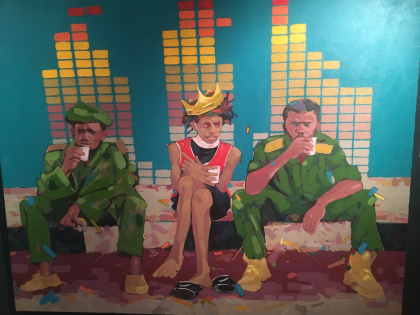
A conversation with members of Sudan’s resistance committees and Magdi elGizouli.
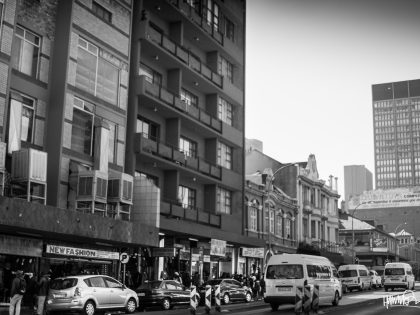
In their debut EP, the Johannesburg-based experimental jazz group iPhupho L’ka Biko offer a message of hope, resilience and solidarity while drawing from South Africa’s black jazz heritage.
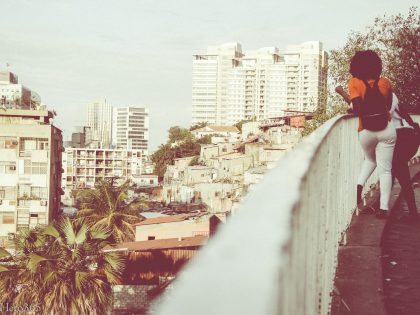
Faced with many crises, including unemployment and a rising cost of living, Angolans are turning to memes to express their political discontent.
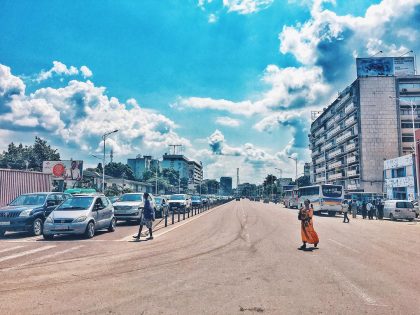
Pedro Monaville selects key texts that helped shape a new book on Congolese student-driven left nationalism in the aftermath of Patrice Lumumba’s assassination.
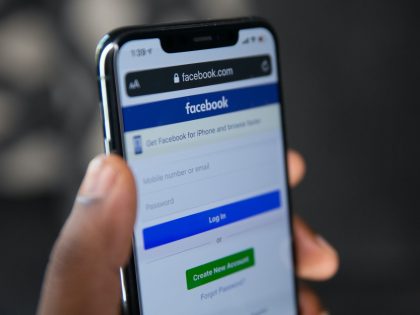
Is a Facebook-led social media movement enough to change a country? The case of Angola.
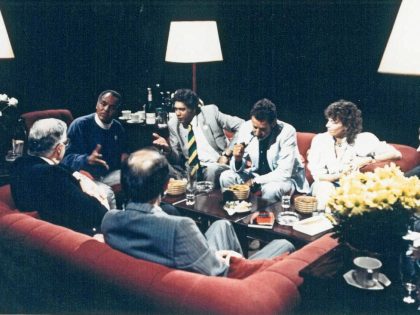
While there is much to mourn about the passing of legendary American singer and actor Harry Belafonte, we should hold a place for his bold statement-album against apartheid South Africa.
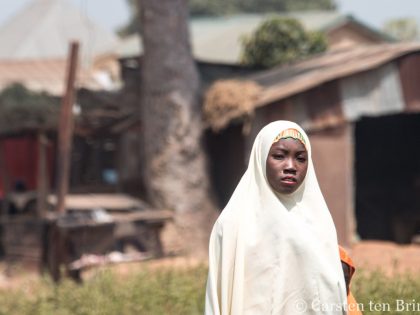
The events of May Day 1998 in Nigeria and lessons from Ola Oni on fighting for democracy in multi-ethnic societies.
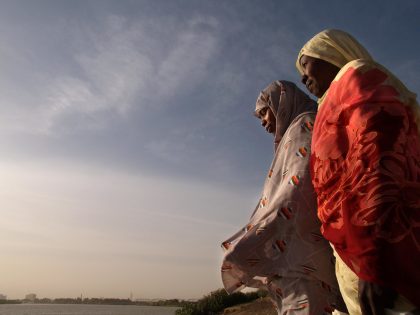
In a country as diverse and divided as Sudan, who gets to define women’s rights and struggles?
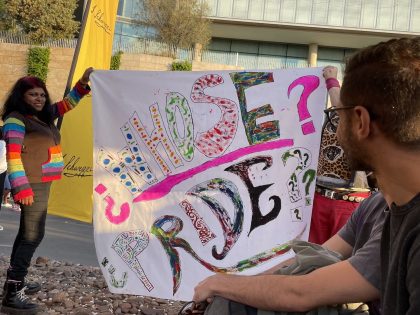
Queer Indians are largely invisible in South Africa's LGBT discourse. But representation is not enough, we need political transformation and multi-racial class solidarity.
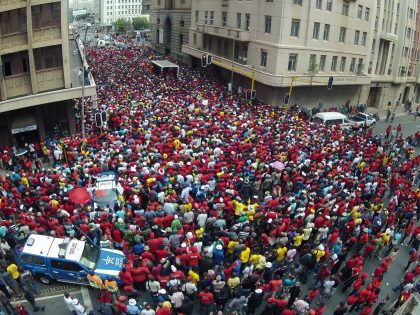
To rebuild, the South African left must realize that there are no shortcuts to power.
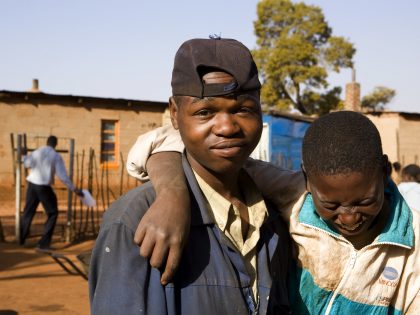
Anxious and isolated, living in poverty or financial precarity, we sink into ourselves and adopt self-destructive coping mechanisms.
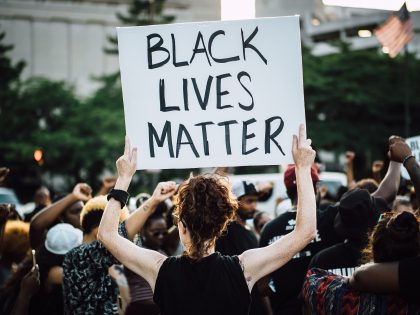
In a US confronting its own anti-black racism, sentimental imaginings of Africa do little but uphold the white savior industrial complex.
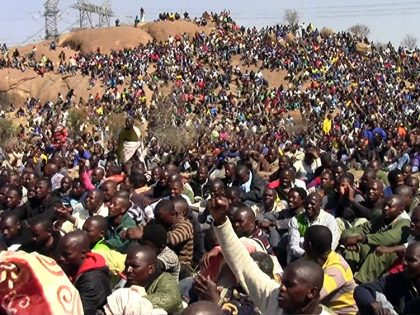
The impact of the Marikana massacre on South Africa’s student movement for free education, and an end to outsourcing, has been overlooked.
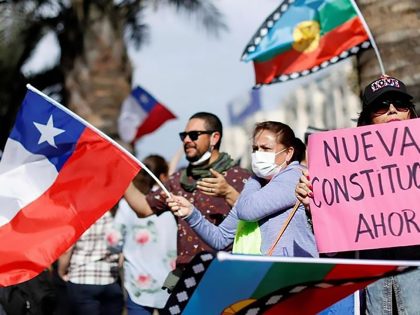
While Chileans have defeated the post-authoritarian neoliberal regime, they face major obstacles on the road to a post-neoliberal social democracy.
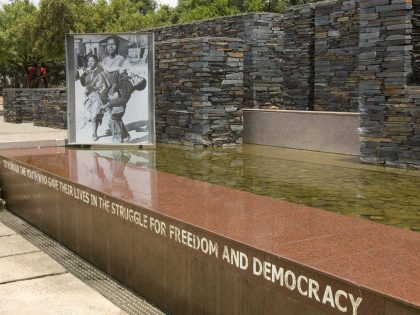
Before the Soweto Uprising in 1976, students and workers organized one of the largest strike actions in South Africa’s history.
The Radical Books Collective teams up with Africa Is a Country to bring you progressive conversations about books, literature, and publishing on this platform.