The young Walter Rodney
Long before Walter Rodney wrote 'How Europe Underdeveloped Africa,' he was profoundly shaped by his studies in Jamaica.
Search Result(s) for: “walter rodney”
Long before Walter Rodney wrote 'How Europe Underdeveloped Africa,' he was profoundly shaped by his studies in Jamaica.
On the 50th anniversary of Walter Rodney's The Groundings With My Brothers, a small group of scholars on the impacts of Rodney on their intellectual development and political commitments.
Rediscovered lectures Walter Rodney gave in 1978 in Hamburg shows a reflective intellectual, thinking critically about postcolonial African governance.
In the early 1970s, Walter Rodney, expelled from Jamaica, took a post in Tanzania. In Leo Zeilig’s new book, he captures those exciting, but also difficult years and how it formed Rodney.
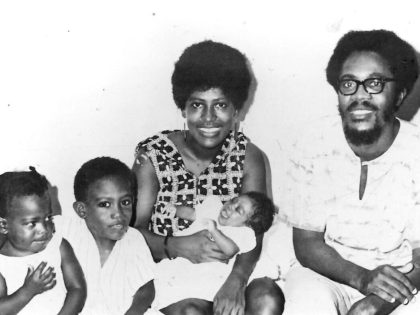
A new film on the life of Walter Rodney gives a glimpse of his radical solidarity politics and centers on his family, who struggled and suffered with him.

The Soweto Uprising, Tupac, Walter Rodney, Jeremy Corbyn, Latin American telenovelas, etcetera, all part of this week's Weekend Special.
Why did Tanzania and Julius Nyerere become touchstones for Pan Africanism in the 1960s and 1970s?
Why did North Africans and Middle Easterners almost overnight go from being comrades-in-struggle to racial intruders in Africa and in African American cities?
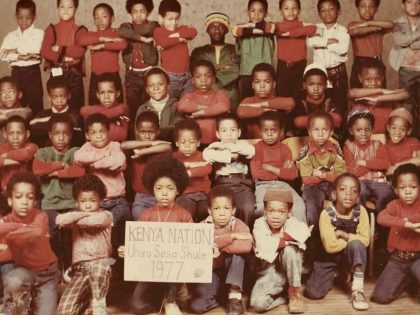
The little-known story of how US-based Pan Africanists responded to white racism and a corrupt school system by founding their own schools in the 1960s and 1970s.
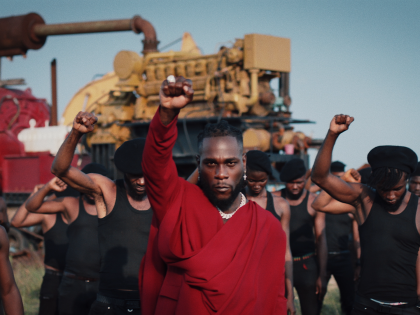
Burna Boy’s ‘Monsters You Made’ takes the debate about the need for material decolonization outside the ivory tower and into the public sphere.
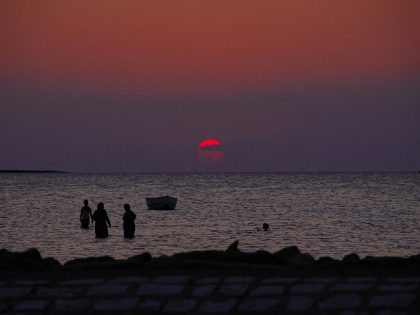
A proposed green hydrogen project in Tunisia prioritizes European energy needs over local sovereignty.
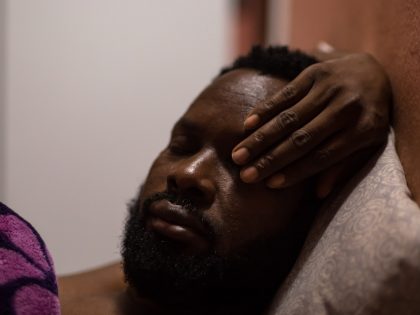
Could the enduring effects of #EndSARS be the beginning of a broad alliance against an irresponsible political elite that has shirked all pretensions of being responsible to the people?
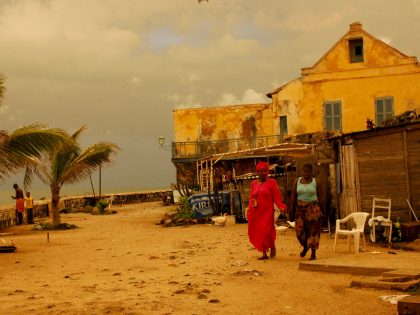
The author reflects on books that offer a long-historical perspective on African literature and history.
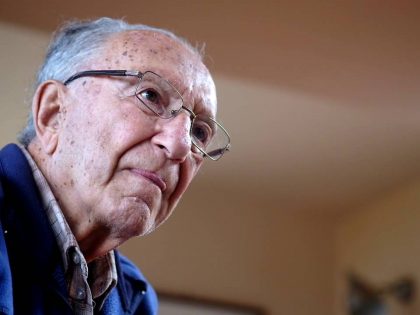
Turok, who died at 92, was committed to fighting for the ideals of the left in South Africa. It is worth reviewing what his contribution to these ideals were in the final chapter of his life.
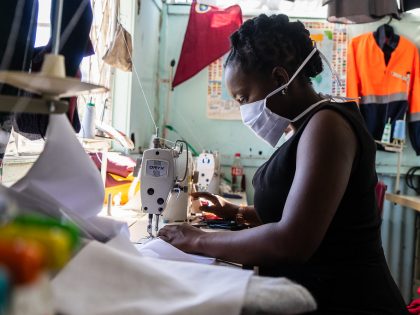
On the other side of the pandemic, we must strengthen and build strong working-class movements to challenge imperialism and neocolonialism.
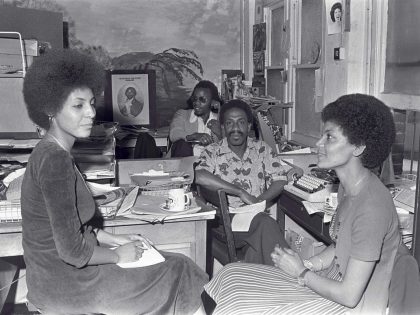
Leila Hassan and Farouk Dhondy worked at the UK publication Race Today that chronicled the early 1980s struggles against racism there.
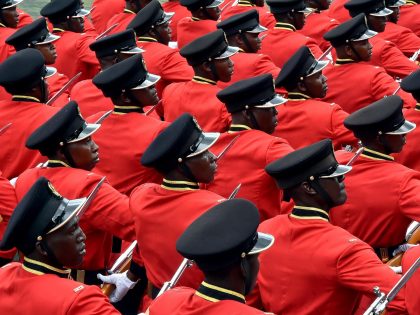
Recent and current leaders in Tanzania like to be compared to Mwalimu Nyerere. Take current president, John Magufuli. He has been working hard to claim Nyerere’s mantle.
How does it differ from straight-forward history? What are the limits and possibilities of the genre?
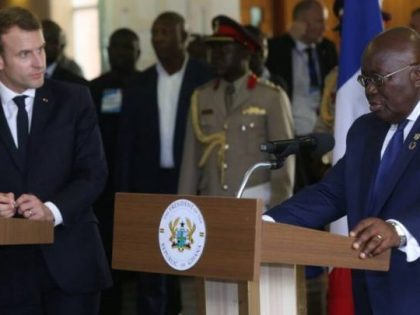
Many social media users have construed Akufo-Addo’s words in the President of France's presence, as somehow radical.
History will reward those thinkers whose ideals and actions remained aligned with the people.