
Why the tree is producing bad apples
Corruption is South Africa’s pandemic — one that has been disenfranchising and killing people long before our transition to democracy.
Search Result(s) for: “apartheid”
Corruption is South Africa’s pandemic — one that has been disenfranchising and killing people long before our transition to democracy.
Three prominent curators on how they are (re-)situating their respective curatorial practices in relation to the political moment.
A small corrective to the tide of Big Media book lists that champion a small and predictable group of authors who together give at best a limited Eurocentric view of our world.
To make sense of Bill Cosby’s fall from grace requires distinguishing questions of legacy from questions of individual reputation.
AIAC Talk this week: the historical entanglement of South African football with English football, and what that tells us about politics and sport. Watch it on our YouTube channel.
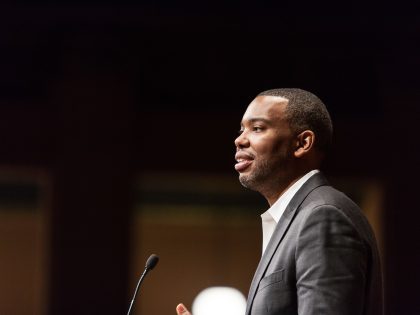
The debacle around Ta-Nehisi Coates' latest book shows us that no matter a writer's individual acclaim, the liberal media establishment will never tolerate anything that fundamentally challenges its racist edifice.
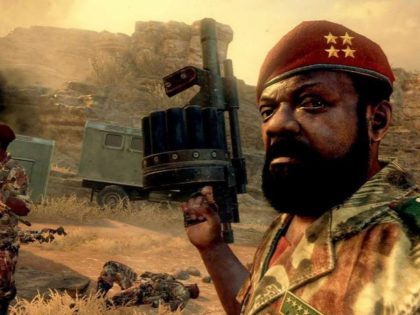
No surprise that the dead Angolan rebel leader, Jonas Savimbi, is a video game character; in life he was a media mastermind.

Whether or not Twitter survives should be irrelevant to those committed to building a democratic public sphere.
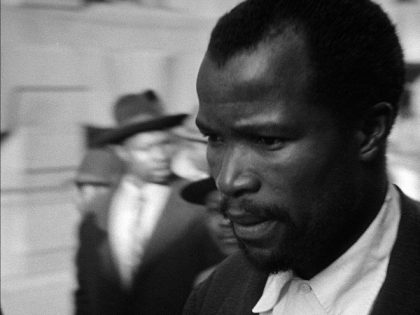
The politics of three prominent South African films: the classics 'Come Back Africa,' late-1980s 'Mapantsula' and Oscar winner 'Tsotsi.'
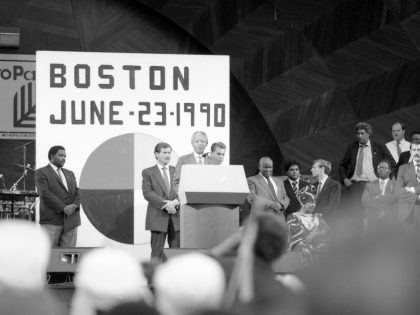
It is not hard to understand the iconic status of Nelson Mandela and the overflow of emotion his death has provoked in the Pan-African world.
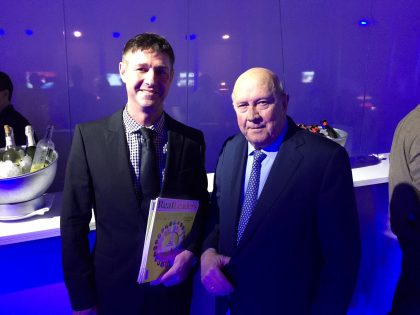
In both the rebuke and lionization of F.W. De Klerk, who recently died, there is an attempt to squeeze power into the zone of emotional sentiment.
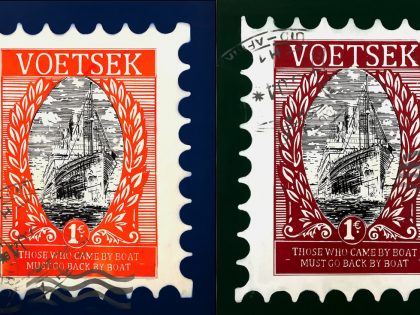
Xenophobia and questions of belonging haunt Indian South Africans. What does that mean for solidarity with Black South Africans?
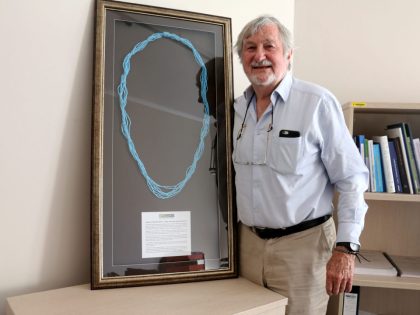
The life of Edward Webster, one of South Africa’s most distinguished sociologists, can be compared to a windmill — taking in the winds of change and turning them into a prodigious intellectual engagement.
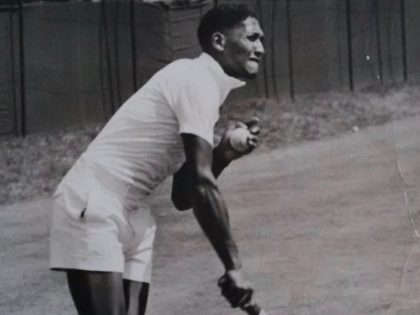
David Samaai was the first black (and coloured) South African to play at Wimbledon in 1949. He was 21 years old. He did so before the Americans, Althea Gibson and Arthur Ashe.
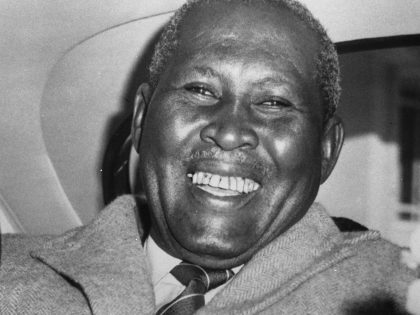
Albert Luthuli was ANC President when South Africa's biggest liberation movement turned to armed struggle. He's been the subject of much conjecture. What did he actually think about political violence?
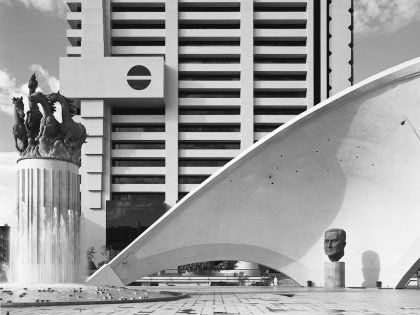
The South African photographer has a complicated place within his country's photographic culture.
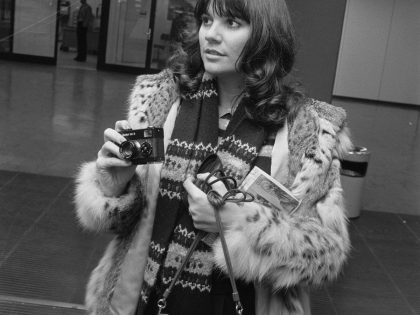
Nearly four decades later, Linda Ronstadt’s arguments against the cultural boycott - repeated in a new film - ring hollow.
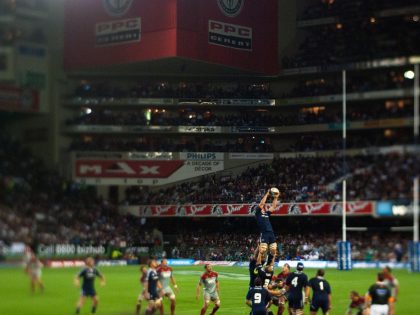
Why would a group of black, mostly coloured, South African rugby supporters openly root for New Zealand teams over their own.

Most South Africans have at least one thing in common: their hatred of other Africans coming from the rest of the continent.