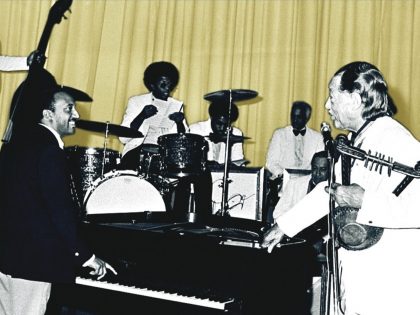
Addis Swing
The revival of Ethiopian jazz, a tradition that dates back to the 1920s, and had its heyday under Emperor Haile Selassie.
Search Result(s) for: “Ethiopia”
The revival of Ethiopian jazz, a tradition that dates back to the 1920s, and had its heyday under Emperor Haile Selassie.
We’ve scoured the web to bring you the best and worst romance, adventure, intrigue, and kinky fantasies Africa has to offer.
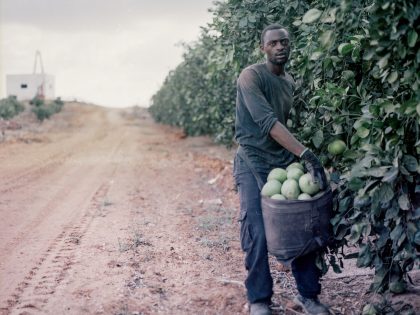
Israel's Interior Minister, Eli Yishai basically says Israel was a white country in a debate about African immigrants and refugees.
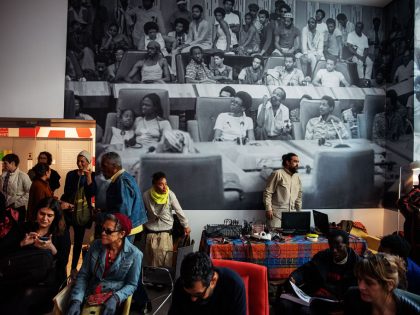
The Chimurenga arts collective explores the relevance of FESTAC, a near forgotten, epic black arts festival held in Nigeria in the mid-1970s, for our age.
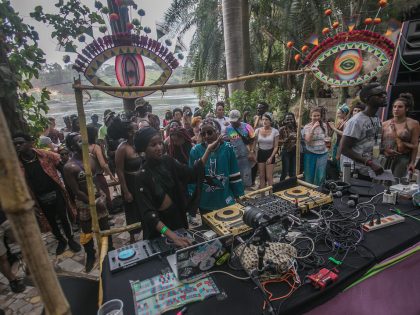
The Somali artist and DJ, Hibotep, is one of the many pushing electronic hybrid sounds from East Africa through the epicenter of the movement, Kampala.

The international body governing track and field announced that the longest distance race to be held will be the 3000 meters. We know who will benefit least from this change.
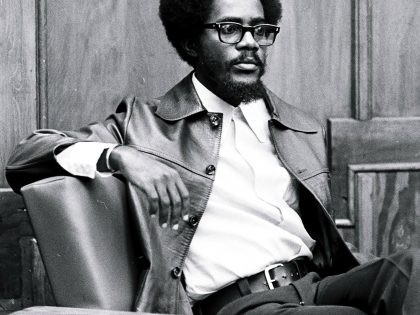
On the 50th anniversary of Walter Rodney's The Groundings With My Brothers, a small group of scholars on the impacts of Rodney on their intellectual development and political commitments.
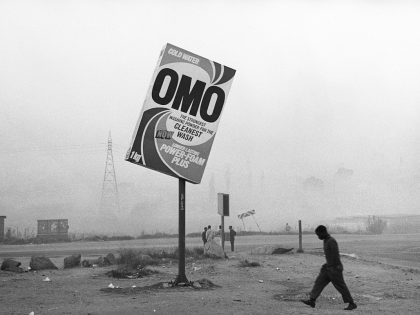
Kaleidoscope magazine has done an "Africa" issue; it wants to walk a fine line between identity politics and universalism.
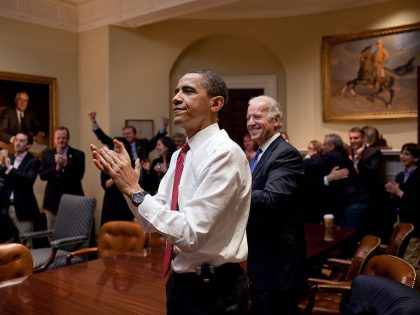
Obama's energy program for Africa, risks appearing tentative and small-bore, like much of the administration’s Africa policy.
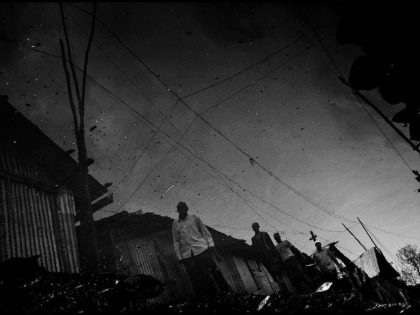
The media's focus on the European "refugee crisis" obscures the fact the bulk of refugees are in camps in the Middle East, Africa and Asia.

Africa’s biggest spectacle is happening soon. What does it take to host the African Cup of Nations?
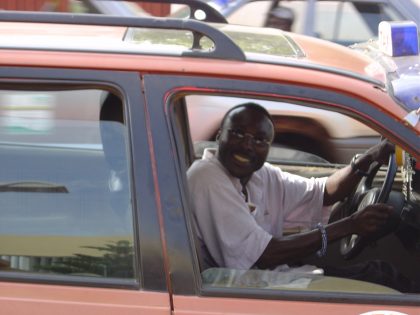
Uber’s usual tricks — to provoke price wars in an attempt to increase their share of markets, evade taxes, and undermine workers’ rights — are alive and well in Africa.
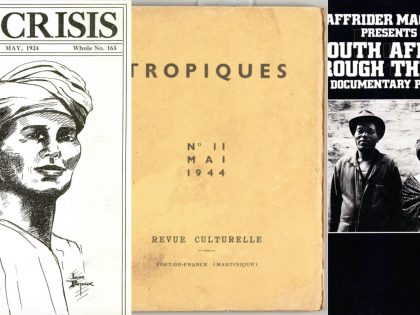
In doing the intellectual activist work of editing and supporting cultural production, literary magazines have been crucial for Black cultural renaissance.
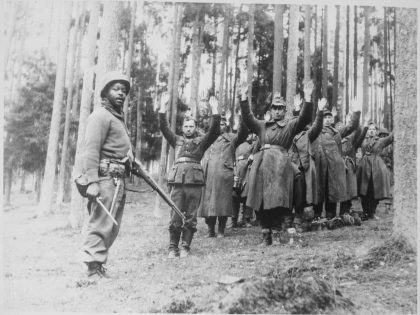
It is no surprise that even today, Europe only feels guilt about the episode of the Holocaust and not the principle of genocide which made it possible.
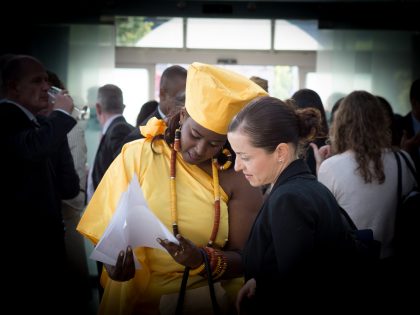
African women exercise their right to migrate, but also face dilemmas on their way to the unknown. We need policies that protect them.
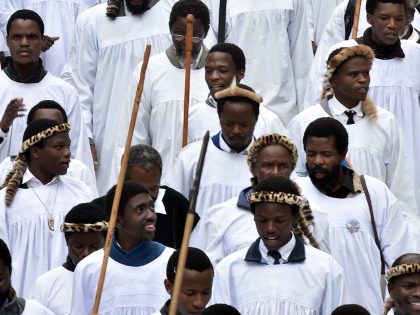
The spread of Garveyism from the US to Africa was as much about political liberation as it was religious salvation.
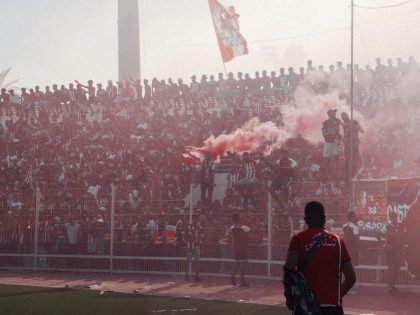
Morocco’s World Cup heroics are forging a new, dissident Third-World solidarity, reflecting the multifaceted nature of Moroccan identity itself: simultaneously Arab, African, and Amazigh.
African migrant women are exposed to intersectional systems of violence but are not simply victims.
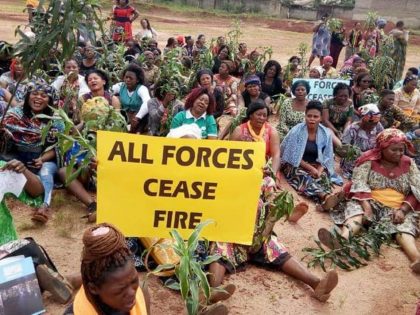
The longue duree of the conflict in the Southern Cameroons, the rise of the current Ambazonian movement, as well as the dismal prospects for conflict resolution.
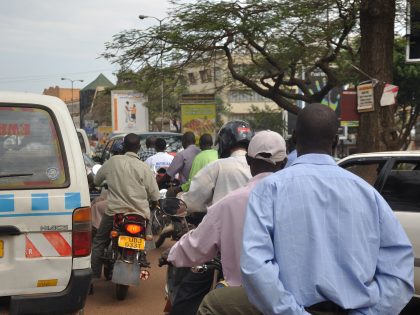
The writings of Ugandan lawyer David Mpanga are both literary and legalistic, rooted in African conceptions of storytelling and self-determination.