
The life and times of Trevor Madondo
Trevor Madondo achieved a certain immortality in Zimbabwean cricketing lore precisely for the way in which he confronted cricket’s history as an instrument of empire.
Search Result(s) for: “india”
Trevor Madondo achieved a certain immortality in Zimbabwean cricketing lore precisely for the way in which he confronted cricket’s history as an instrument of empire.

Xenophobia and questions of belonging haunt Indian South Africans. What does that mean for solidarity with Black South Africans?

On writers, empathy and (black) solidarity politics.

This planetary turn of the African predicament will constitute the main cultural and philosophical event of the 21st century, argues Achille Mbembe.

Despite his negative legacy in South Africa, Van Riebeeck gets presented by some as someone locals should admire.

The life of Edward Webster, one of South Africa’s most distinguished sociologists, can be compared to a windmill — taking in the winds of change and turning them into a prodigious intellectual engagement.
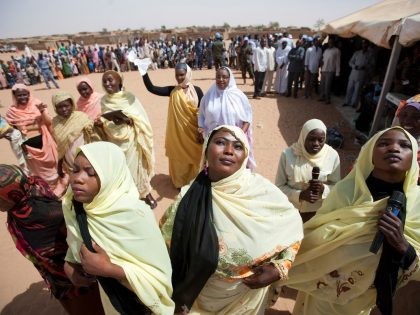
As the commodity super-cycle’s denouement now makes obvious the need for change, at least it is clear to all that Africans are not lying down.

The specialty of foreign-affairs blogging is explaining the outside world to uninformed publics The result, however, is mostly pseudo-analysis.

In a world of fake news, shallow analysis and torrid pontificating, combining empirical evidence with emotive expression, is what give Roy's essays legs.
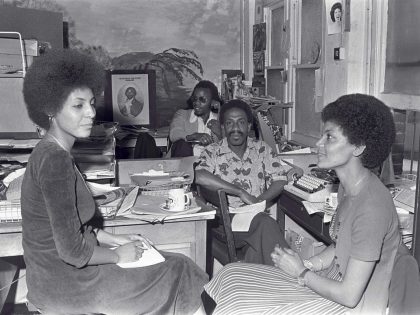
Leila Hassan and Farouk Dhondy worked at the UK publication Race Today that chronicled the early 1980s struggles against racism there.

The 60s, 70s, and 80s are often described as the Golden Age of Indian cinema and Nairobi, Mombasa and Kisumu had a large number of cinemas devoted to showing films made in Bombay.
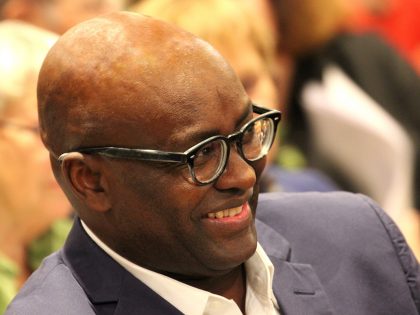
An interview with Achille Mbembe, including on the consequences of global capitalism on the continent.

While Sierra Leone has come very far in its fight against sexual violence the question of safeguarding victims especially children needs urgent attention.
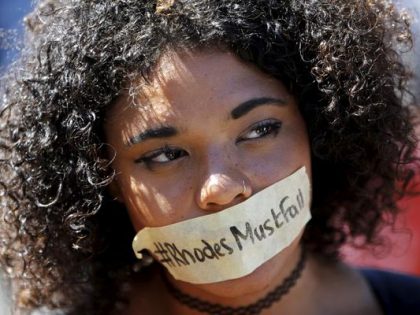
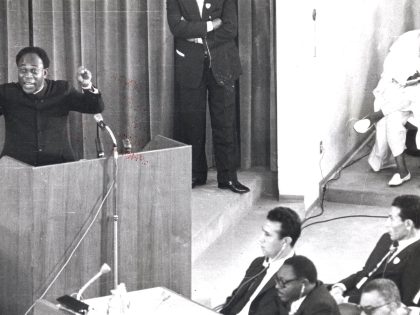
The post-colonial settlement has left Africa vulnerable to conflict, external pressure, and intellectual dependency. What comes next?
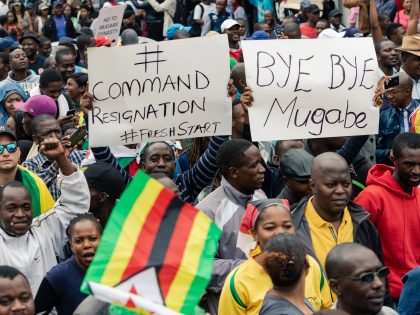
In November 2017, Robert Mugabe was toppled in a coup. Amid this epochal change, life — and cricket — simply went on for Zimbabweans, who are still in search of a better future.

In recent years, Rwanda and Ethiopia have been some of the largest recipients of aid money from the UK and US governments, as well as some of the West's leading philanthropies, including the Gates Foundation.

The burial of African languages by Africans themselves has ensured our total immersion into colonial culture.
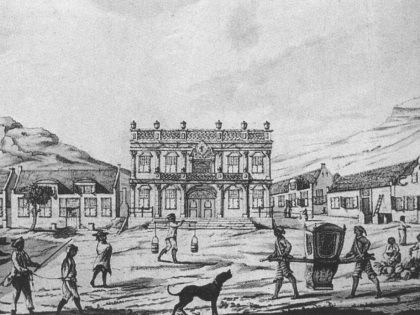
If slavery is the material and metaphysical womb of the modern world, reparations will require nothing less than the end of this world.

Contemporary approaches to the legacy of colonialism tend to narrowly emphasize political agency as the solution to Africa’s problems. But agency is configured through historically particular relations of which we are not sole authors.