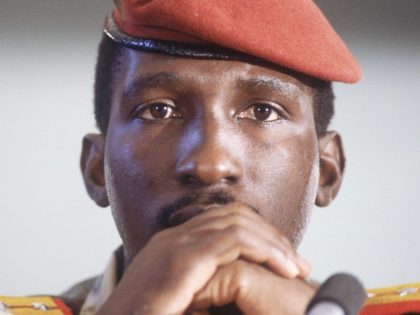
October 15, 1987: The Murder of Thomas Sankara
Note left at Thomas Sankara's graveside: “Mama Sankara, your son will be avenged. We are all Sankara.”
Search Result(s) for: “Sankara ”
Note left at Thomas Sankara's graveside: “Mama Sankara, your son will be avenged. We are all Sankara.”
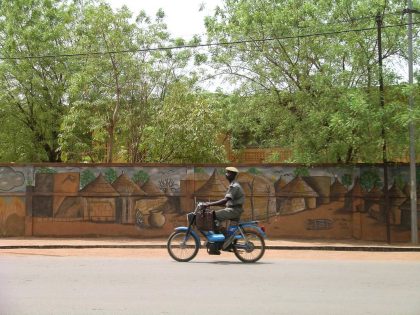
Burkina Faso is finally beginning to do right by the memory of revuolutionary leader, Thomas Sankara.
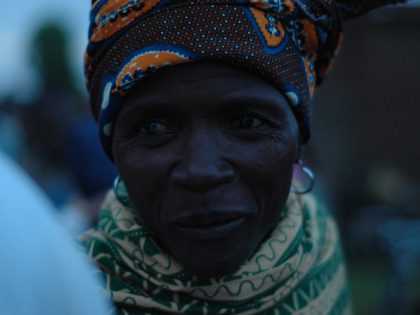
Sankara’s enduring popularity rests not only on his words, however much they resonate with today’s disenchanted and angry youth. It is also based on his deeds.
Thomas Sankara has emerged as both a lesson on the uncertainties of revolutionary change and the possibilities for people-centered development for the present and future.
The judgment that Sankara was a hero rests in part on what was politically possible in Burkina Faso in the early 1980s.
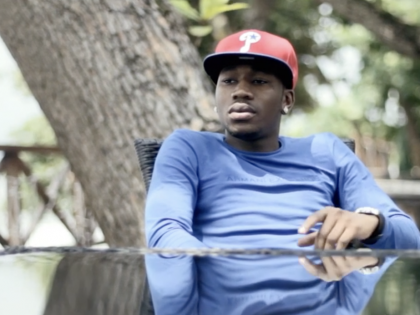
Does it matter whether the hip-hop artist Ismael Sankara is related to the great Burkinabe leader, Thomas Sankara?
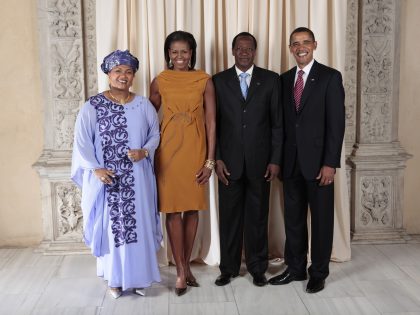
A French Communist MP announced he would press the French National Assembly to create an inquiry commission to investigate the 1987 assassination of Thomas Sankara.
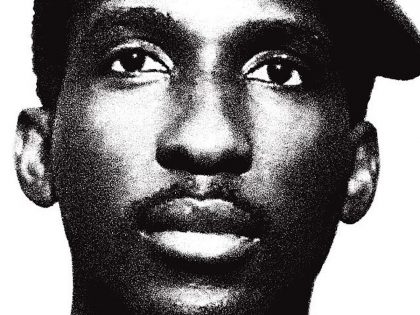
This week on AIAC Talk we discuss the start of Thomas Sankara's assassination trial, which confirms that for many Burkinabes, his spirit very much lives on.
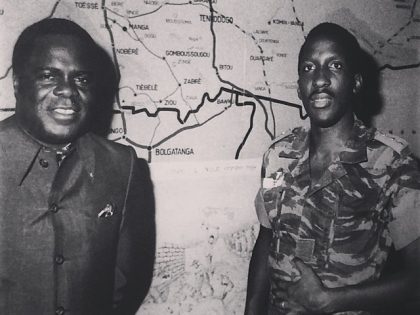
An interview with Brian Peterson, author of a new biography of Thomas Sankara. Peterson positions 1980s Burkina Faso as counterhegemonic to the neoliberal transition then.
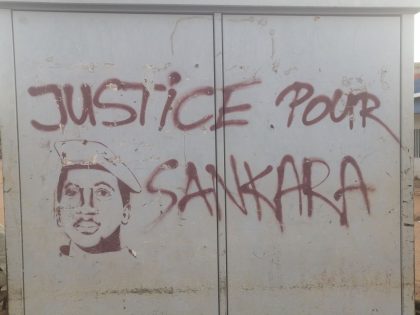
Thirty-eight years after Thomas Sankara’s assassination, the struggle for justice and self-determination endures — from stalled archives and unfulfilled verdicts to new calls for pan-African renewal and a 21st-century anti-imperialist front.
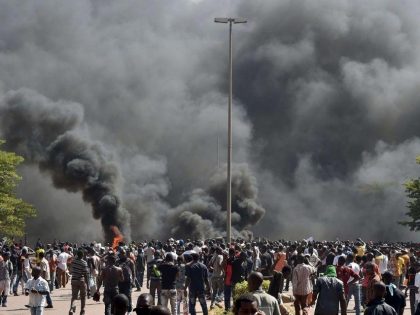
On justice, impunity and ridicule: the historic outcome of the 2022 trial in Burkina Faso against Thomas Sankara’s killers.
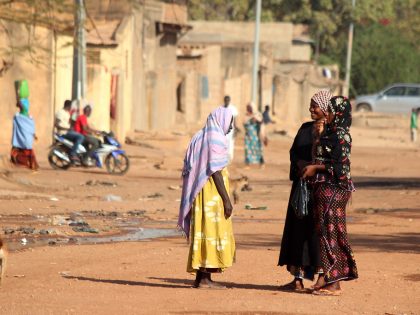
The “Sankara Generation,” the young people taking on Burkina Faso's dictator, wants radical change. Does it include a better future for the country's women?
The use of Marxist-inspired arguments, often distorted, to support racist or nationalist political positions, is known as "rossobrunismo" (red-brownism) in Italy.
We don't want to see a film about what might have been, however seductive that aspect of Burkina Faso's history is. But what was achieved.
Plus the great novelist Sarah Ladipo Manyika has put together a list of the best books of the Mugabe years.
Upper Volta became independent on this day in 1960. In 1984, Thomas Sankara changed its name to Burkina Faso.
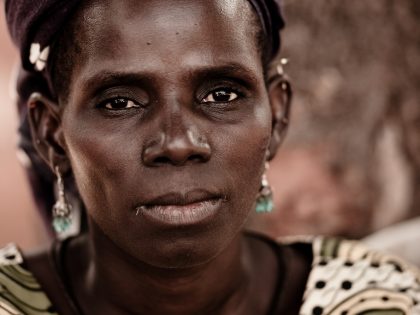
Burkina Faso is a rare recent instance of a popular movement that managed to directly topple a sitting government.
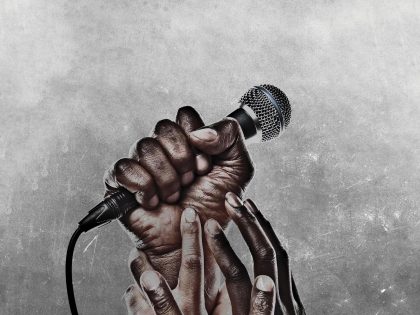
Yannick Létourneau talks about the genesis of his film about the Senegelese rapper, Awadi. Also, why so many political musicians come from West Africa.
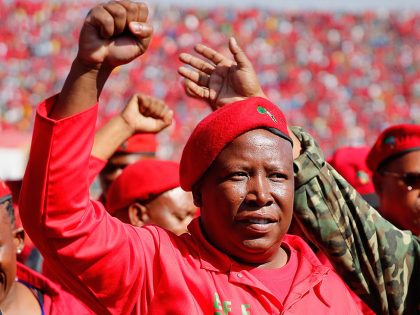
The color red, berets, and plain workers’ clothing have all become potent aesthetic symbols for South Africa's EFF.
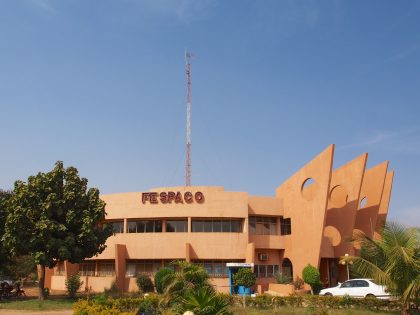
Forty years ago, African filmmakers and revolutionaries united to reclaim cinema as a weapon for liberation and cultural sovereignty across the continent.