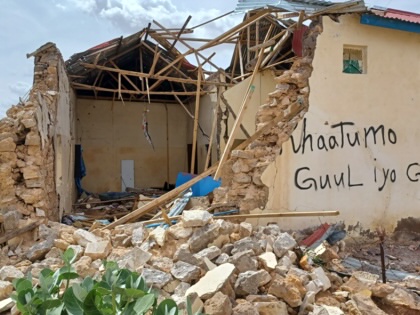
Why the US should not recognize Somaliland
Washington’s own record of intervention in the Horn of Africa — not Mogadishu’s — is the strongest case against recognizing Somaliland now.
Washington’s own record of intervention in the Horn of Africa — not Mogadishu’s — is the strongest case against recognizing Somaliland now.
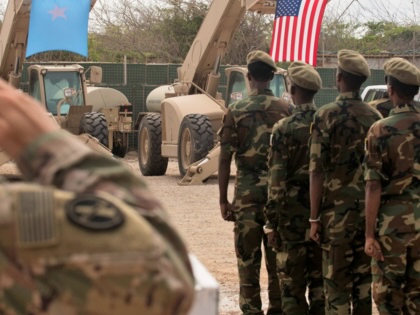
As the UN and the US pull back from Somalia’s security architecture within months of each other, Mogadishu insists it is ready. The gap between that confidence and the country’s political reality tells a different story.
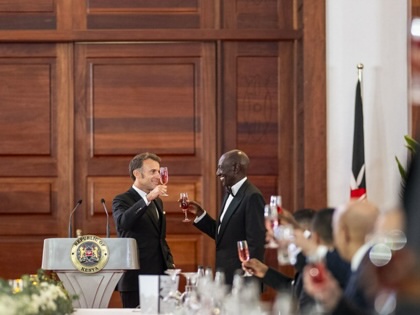
Although the Africa Forward Summit in Kenya was framed as a partnership, it was actually France desperately looking for a new door into a continent that wants to throw it out.

The UFC White House event looked like the final triumph of the UFC-Trump alliance. But it was actually something more consequential: the first act in a darker chapter of American politics.
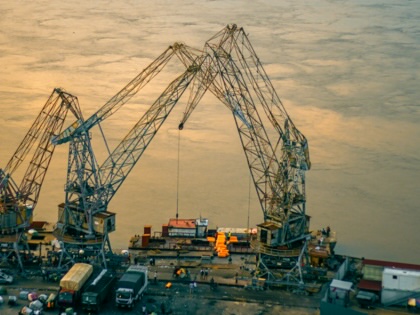
Backed by the Trump administration, US mining firms, financiers, and tech investors are mounting an aggressive push into the DRC’s mineral sector, reviving an old imperial logic under the language of strategic competition.
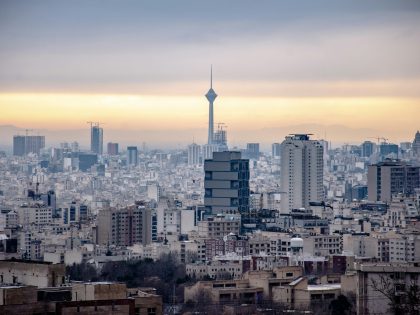
Israel’s campaigns in Gaza, Lebanon, and Iran are not discrete crises but interconnected fronts in a broader project of regional dominance.
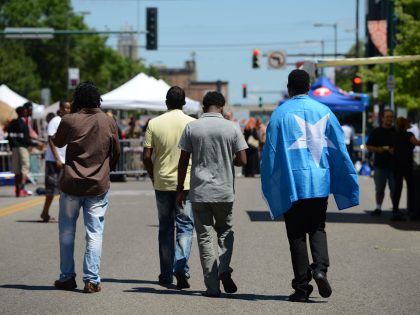
The Trump administration’s crackdown on Somalis in Minnesota ignores a longer history: decades of US intervention that helped produce the violence and displacement Somalis fled.
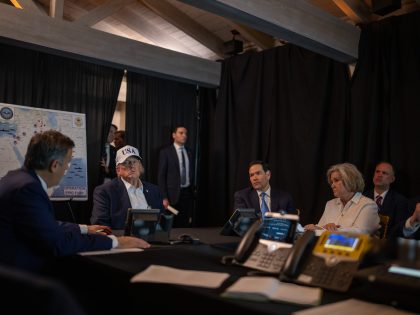
The US-Israeli war on Iran is the latest expression of a long imperial pattern — one shaped by opportunistic intervention, Western alignment, and the enduring racialized logic of empire.
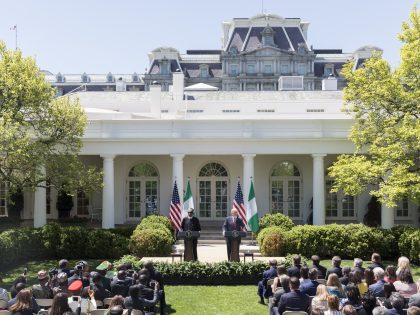
Trump’s threats of military action against Nigeria are not about Christian genocide, but are about rare earths, China, and the scramble to control Africa’s mineral future.
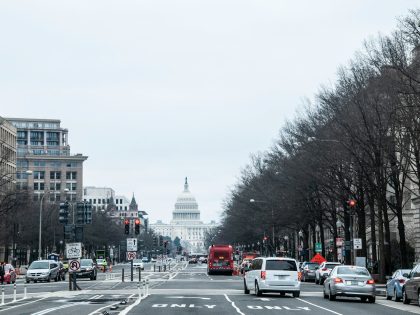
In Washington’s think tank ecosystem, Africa is treated as a low-stakes arena where performance substitutes for knowledge. The result: unqualified actors shaping policy on behalf of militarists, lobbyists, and frauds.
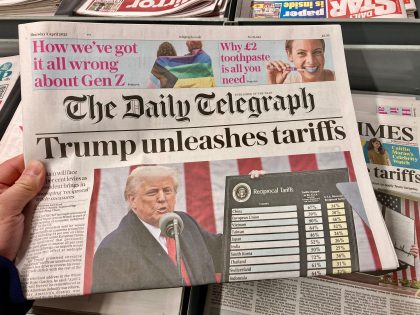
Trump’s April 2025 tariff blitz ignited market chaos and deepened rifts within his own coalition. Beneath the turmoil lies a battle between technocrats, ultranationalists, and anti-imperial populists, all vying to reshape — or destroy — American global power.
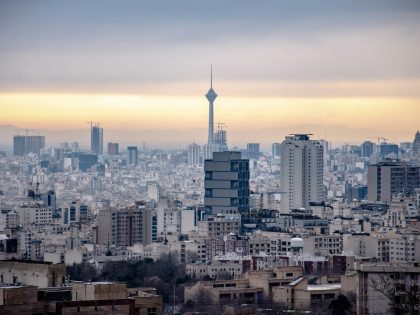
Framed as hard diplomacy, economic sanctions are a subtler form of warfare — one that erodes sovereignty, punishes civilians, and extends colonial power under a new name.
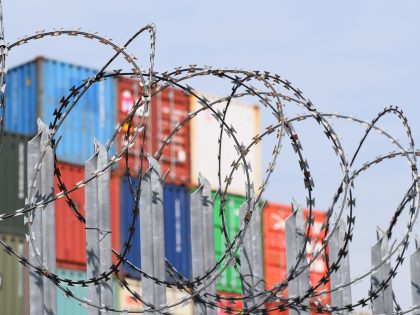
Trump’s trade war is framed as a battle with China — but its fallout is exposing just how little power African economies have in a rigged global system.

The legacy of France’s colonial violence in the Indian Ocean is one stone that contemporary mainstream media tends to leave unturned.

End of the year reflections on the United States of America, from the Global South.
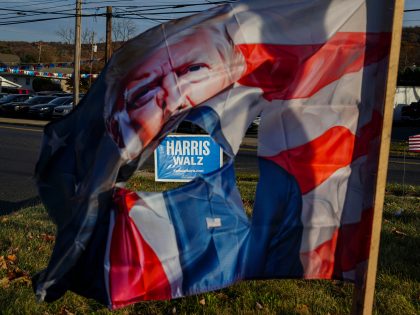
Reflections on Trump’s 2024 US presidential victory.

On the deplatforming of 'African Stream.'

In Cuba, new forms of marginalization and racism have surfaced, but the dream of a good society based on the core principles of “buen vivir” for its people has not died.
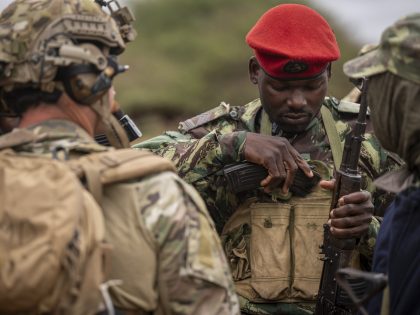
The EU’s military involvement in West Africa, the Gulf of Guinea, South Sudan, and East Africa is well-known. But one mission on the continent has gone relatively unnoticed.
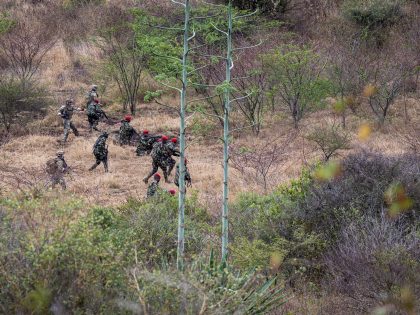
Todos sabem do envolvimento militar da União Europeia (EU) na África Ocidental, no Golfo da Guiné, no Sudão do Sul e na África Oriental. No entanto, uma missão no continente passou relativamente despercebida.