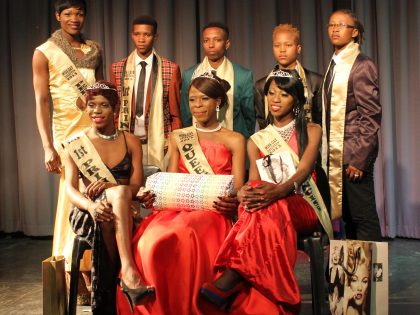
Africa is more queerer than you think
Both in and outside of Africa, there is an argumentative frenzy around the instability of gender and sex and non-conforming performances of gender.
Both in and outside of Africa, there is an argumentative frenzy around the instability of gender and sex and non-conforming performances of gender.

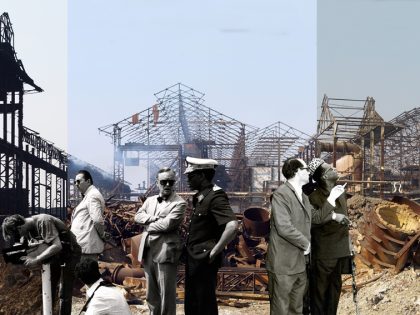
Alain Resnais and Chris Marker's 1953 film "Statues also die" should be appreciated more for how it challenged European, especially French, approaches to African art.
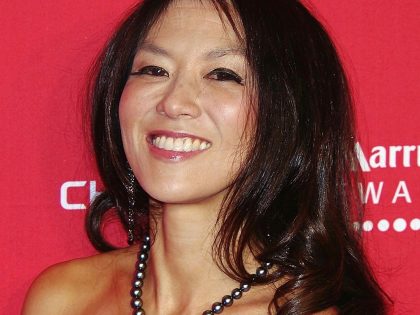
Amy Chua's racist nonsense about "model minorities," peddling the lie that elites are on top because they're better.
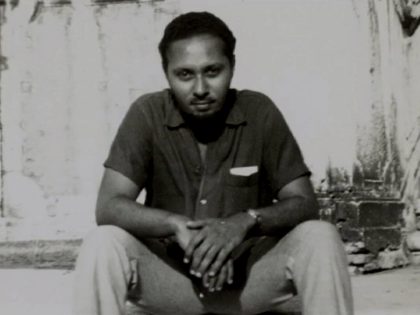
Akomfrah's films gives voice to the legacy of the African diaspora in Europe, and his experimental approach to narrative and structure helped pave the way for the re-emergence of the "essay film" today.
There is no evidence that Nigeria is under attack from gays and lesbians or the nation's "culture" being eroded from within by "waves of sexual marauders."
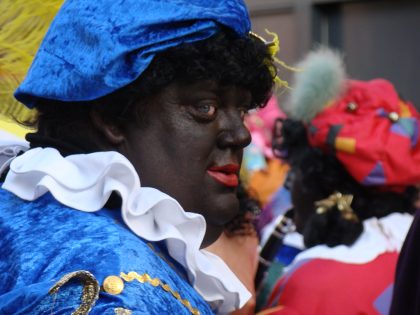
Interview with Verene Shepherd, Chair-Rapporteur of the Working Group on People of African Descent.
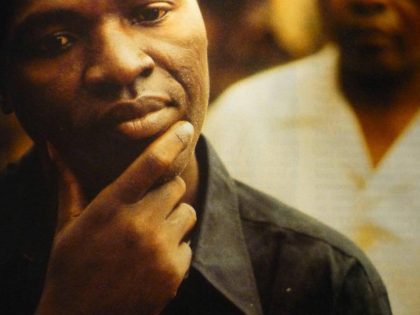
Jean-Marie Teno's film, 'Une Feuille dans le Vent' (A Leaf in the Wind), lays bare the affective costs of public silence in Cameroon.
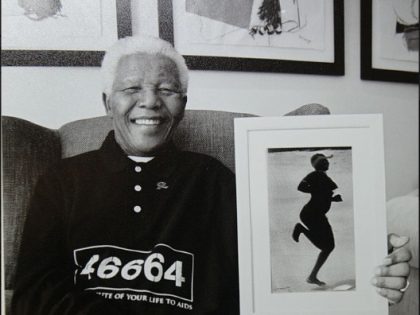
Apartheid's prisons tolerated 'National Geographic; For Nelson Mandela, who knew better, it was porn.
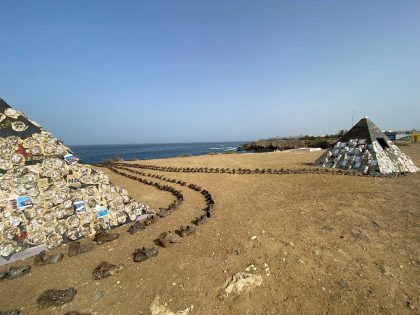
We must stop thinking that 'Africa’ must either progress together or stagnate. Each country has its own story, its own sovereignty.
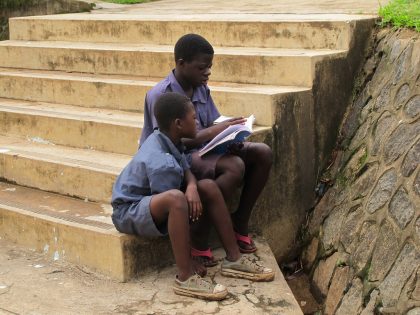
History professsor Laura Mitchell developed this interactive map for her students for a map quiz and for the rest of us dispel the notion that Africa is a country. Go on, do the exercise.
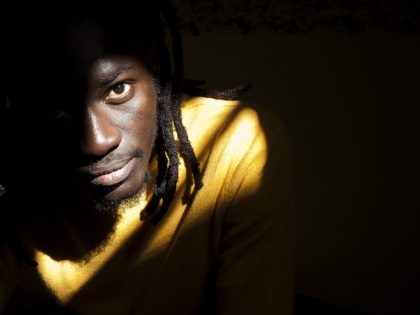
How does one hold on to a deeply rooted sense of self, a cultural identity, and make new paths to adapt and make new forms of home?
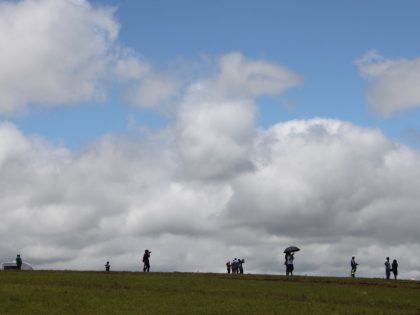
Our correspondent, attending the funeral of Nelson Mandela, the founder of post-apartheid South Africa, reflects on Madiba's legacy for his own children.
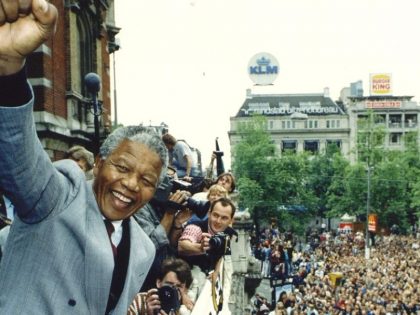
The mainstream view is that the Netherlands was a staunch supporter of South Africa's liberation movement? The story is a bit more complicated.
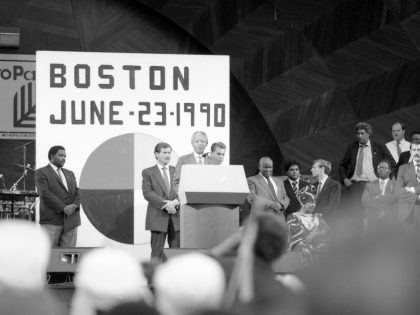
It is not hard to understand the iconic status of Nelson Mandela and the overflow of emotion his death has provoked in the Pan-African world.
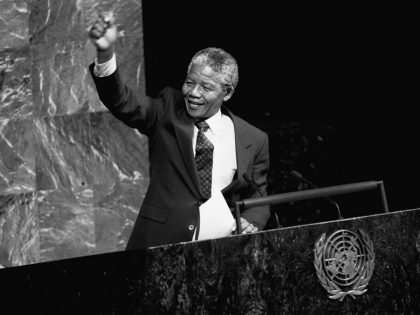
A playlist of jazz tunes dedicated to South Africa's first democratically elected president, Nelson Mandela.

Are corporate entities really well intentioned in celebrating Mandela the freedom fighter or are they merely using these tributes to position their brands on the right side of history?
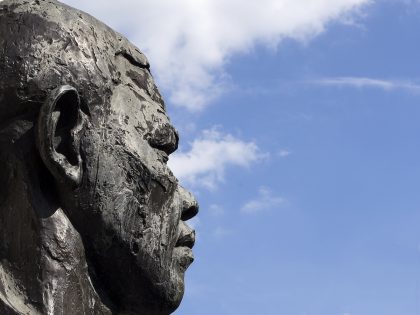
As much as the world wants to deify Mandela, to do so in the abstract with no reference to his actual politics is absurd.