Football won’t rescue the nation
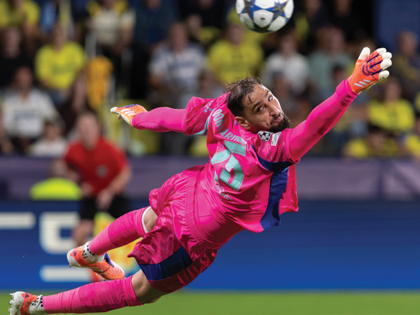
As club football becomes increasingly placeless and commercialized, international football begins to feel strangely real again.
As club football becomes increasingly placeless and commercialized, international football begins to feel strangely real again.
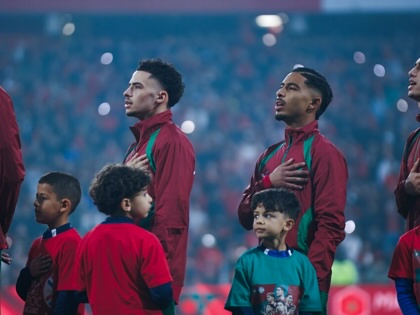
When Ayyoub Bouaddi chose Morocco over France, he wasn’t just making a football decision, he was enacting a theory of citizenship that has been in the making since 1880.
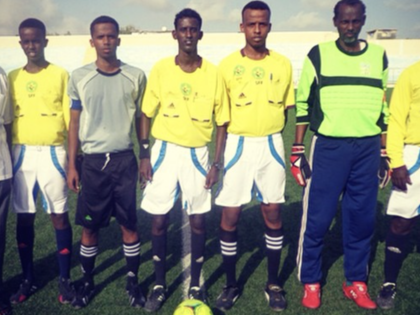
The World Cup was meant to be the culmination of Omar Artan’s remarkable rise. His exclusion from it revealed something equally striking: the magnitude of the admiration he had earned at home and globally.
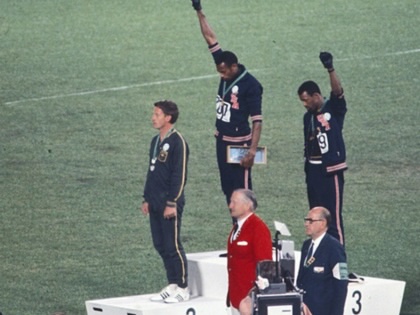
The refusal of the US government to admit Somali referee Omar Artan is a reminder that the United States has a long history of using sports as a tool of exclusion, especially when it comes to African and African-descended athletes.
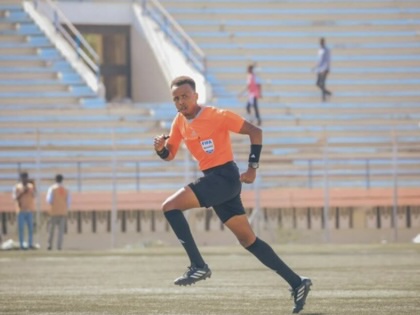
The exclusion of Somali referee Omar Artan hardens the contradiction at the heart of the 2026 World Cup: a global tournament increasingly shaped by the politics of exclusion.
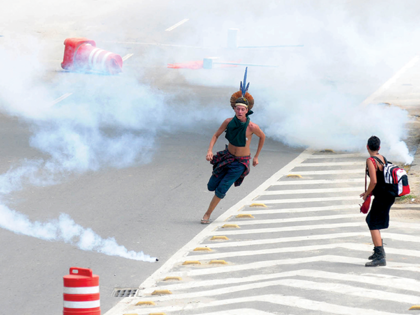
The World Cup was born from imperial rivalry and nationalist aspiration. Almost a century later, it still oscillates between mass hope and elite spectacle.

Despite commercialization and elite capture, the world’s most popular sport still generates forms of collective life that resist the logic of capitalism.
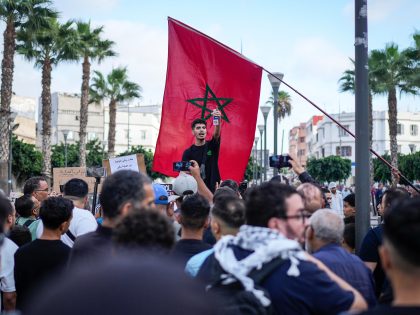
As Morocco prepares to host AFCON and the 2030 World Cup, a decentralized youth movement is demanding real investment in public services over sporting spectacle.
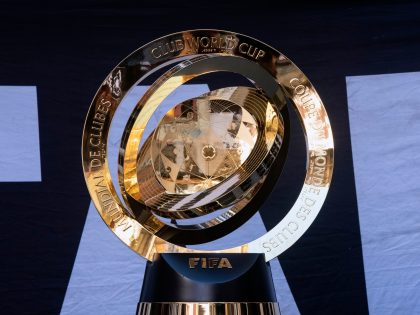
On the eve of the kick off of FIFA's newest major tournament, we wonder, who is the Club World Cup for?
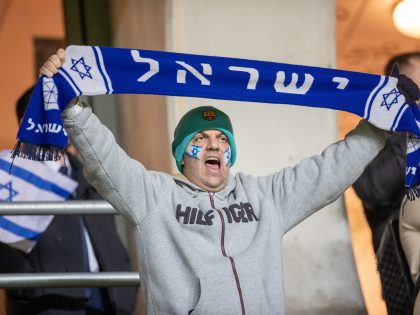
While FIFA swiftly banned Russia from competition, it continues to delay action on Israel — revealing the politics behind football’s so-called neutrality.
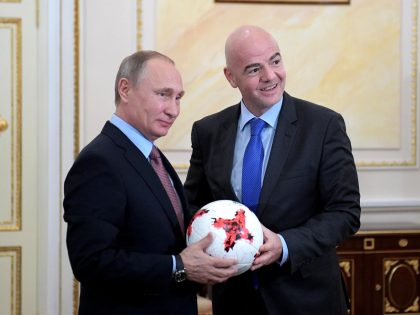
Gianni Infantino isn’t just another corrupt FIFA president — his greed, self-importance, and political alliances are actively ruining football.
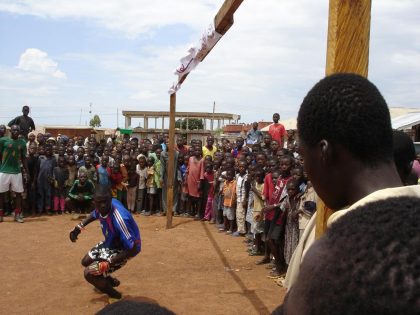
Of course football administrators in predominantly white countries that aren't Africa have no interest at all in "looking after" their families.
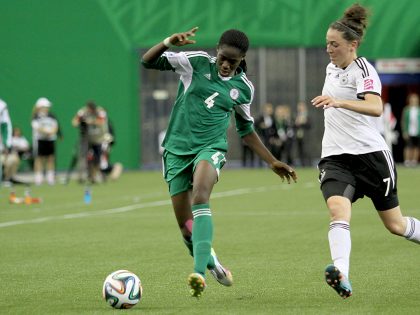
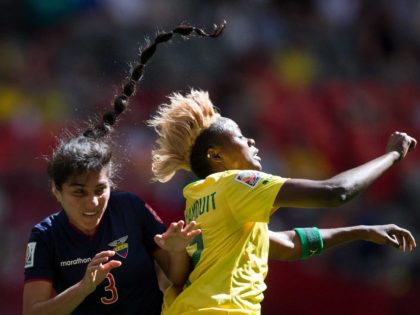
Africa's representatives at the 2015 Women's World Cup are Cameroon, Cote d'Ivoire and Nigeria. The latter's chances depends a lot on Asisat Oshoala's form.
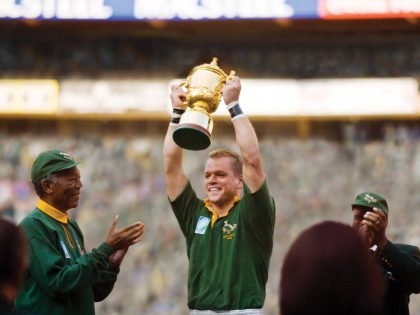
The South African struggle suggests that sports boycotts are effective at forcing change. For white South Africans (and their apologists), sporting isolation was a bitter pill to swallow.
Why should black players have the burden of calling out racism, while white players don't feel compelled to do the same?