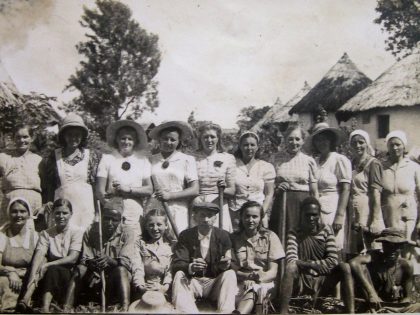
The forgotten history of migration to Africa
While World War II was ravaging Europe, thousands of Polish people found a safe haven in British colonial Africa.
Search Result(s) for: “Britain”
While World War II was ravaging Europe, thousands of Polish people found a safe haven in British colonial Africa.
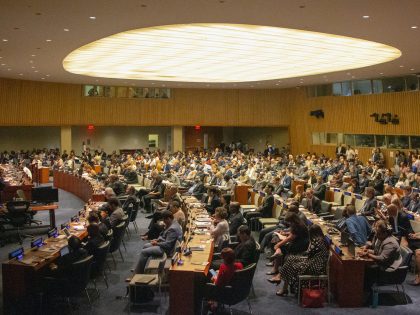
Women say it is their turn to lead the United Nations. But can a female head of the UN change the organization’s work culture and correct the power imbalances among UN member states?
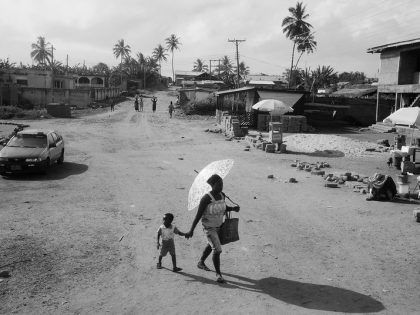
Europe would have been a marginal player in world history without Africa's natural resources and centuries of cheap African labor.
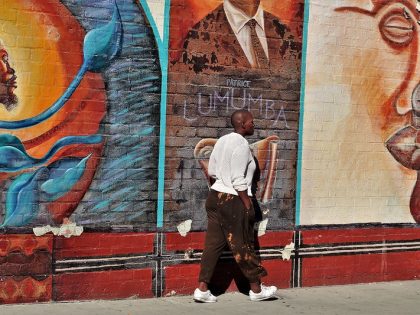
The CIA committed many crimes in the early days of post-independence Africa. But is it fair to call their interference “recolonization”?
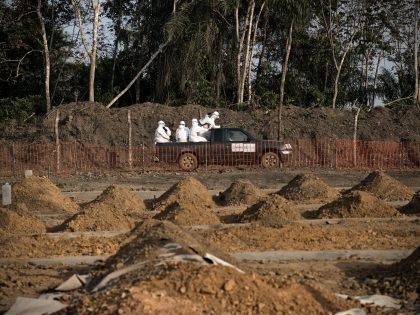
To address a difficult and traumatic subject like Ebola, the writer Véronique Tadjo turned to oral literature for inspiration.
The UKs deportation pact with Rwanda is being likened to a "human trafficking deal." It reflects the state of Rwandan politics.
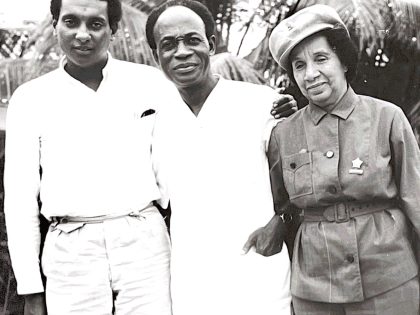
A project - helmed by historians Benjamin Talton and Jean Allman - to archive post-independence African revolutions, including Kwame Nkrumah's personal and professional papers.
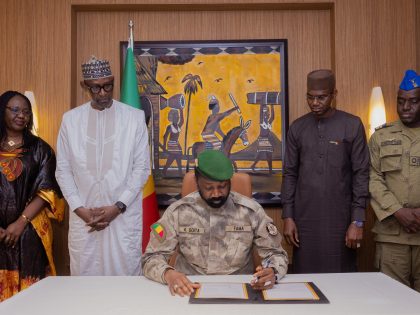
What’s fueling the military takeovers sweeping across West and Central Africa?
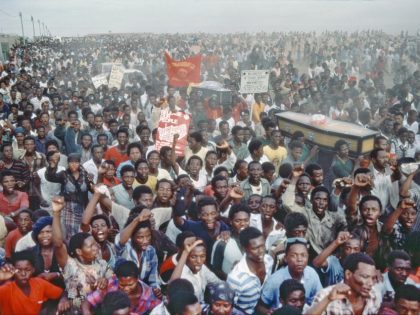
It is often imagined that world opinion was always united in its opposition to apartheid in South Africa — it wasn’t. Today, global indifference to Palestine is changing too.
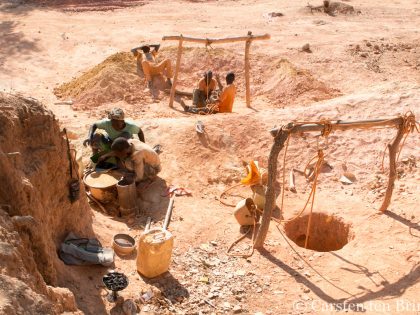
If the savannas of West Africa are a new corporate mining frontier in the 21st century, it's because it is also home to the world’s longest-standing indigenous gold mining economy.
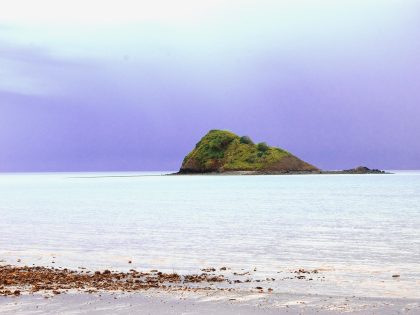
The legacy of France’s colonial violence in the Indian Ocean is one stone that contemporary mainstream media tends to leave unturned.

Despite commercialization and elite capture, the world’s most popular sport still generates forms of collective life that resist the logic of capitalism.
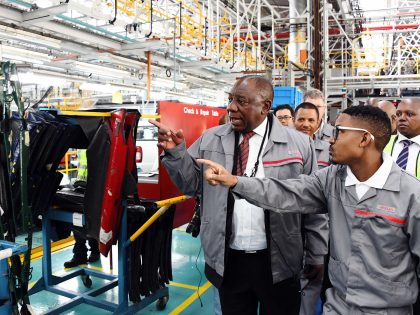
Some progressive economists argue that a bigger budget deficit is the solution to the country’s socio-economic woes. But it isn’t that straightforward.

The Olympics, with its provocative patriotism, are the perfect forum for using a broader diasporic focus to push back against hypernationalism.
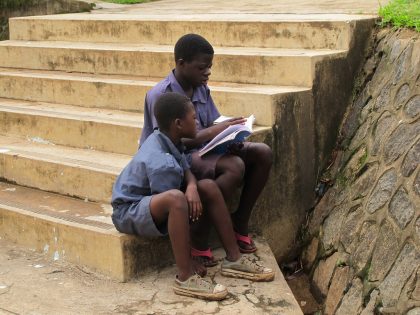
A small corrective to the tide of Big Media book lists that champion a small and predictable group of authors who together give at best a limited Eurocentric view of our world.
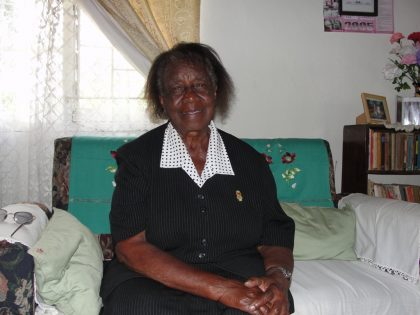
Rose Chilambo was a prominent leader in the fight against British colonialism and the first woman cabinet minister in independent Malawi.
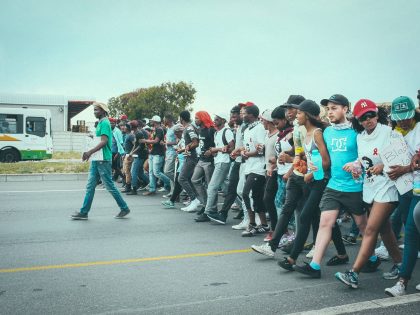
Martin Legassick (1940-2016) was key to revisionist tradition among South African historians that made connections between apartheid and post-war capitalism.
African travelers, it would seem, must still justify their movements across the planet (whether the motives be professional, economic or political).
It’s hard not to imagine what could have been, or indeed could be in postcolonial Ghana if the political will and right management was in place.