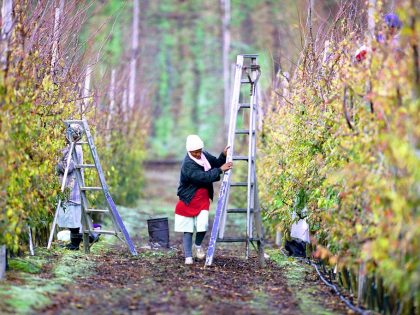
Remembering Slavery in South Africa
People forget that for 176 years, racial slavery was the central institution in a large part of the territories that would come to form South Africa.
Search Result(s) for: “india”
People forget that for 176 years, racial slavery was the central institution in a large part of the territories that would come to form South Africa.
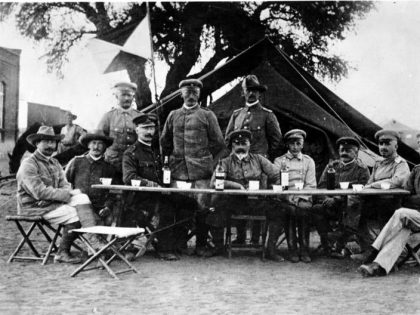
In the 1930s fascism’s face was immediately recognizable in colonial Africa. It was neither a foreign concept nor an external threat in Africa.
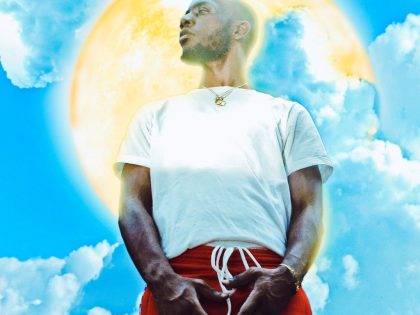
Rapper Jovi has inducted himself into a club of Cameroonian artists who have embraced their own truths in the face of adversity.
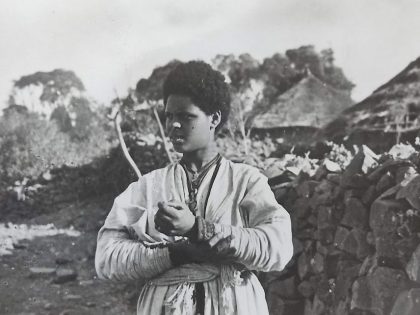
The imperial legacy of the camera and the narrative power of words and images.
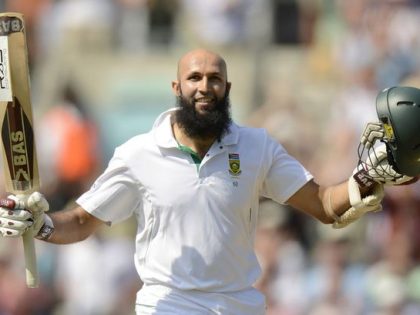
Hashim Amla’s appearances on the cricket pitch and its meaning, reflects similarly on South Africa’s own, ongoing, liberation struggle.
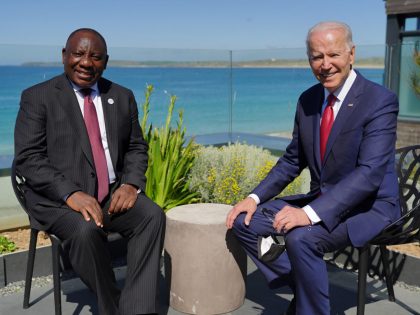
Recent US-South Africa relations appear to be firmly stalled in the cul-de-sacs of imperial or sub-imperial diplomacy.
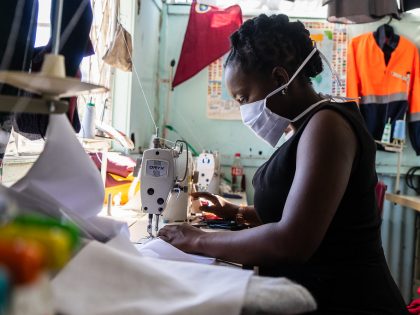
On the other side of the pandemic, we must strengthen and build strong working-class movements to challenge imperialism and neocolonialism.
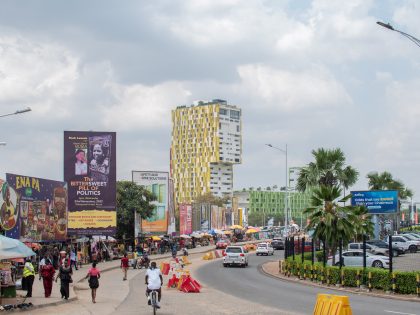
On the podcast, we explore: How did Ghana go from Nkrumah’s radical vision to neoliberal entrenchment? Gyekye Tanoh unpacks the forces behind its political stability, deepening inequality, and the fractures shaping its future.
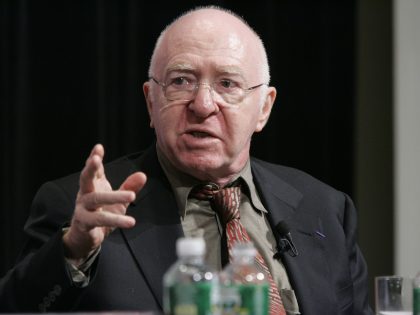
A political scientist, Zolberg wrote two ground breaking books on West Africa politics in the 1960s and was key to formation of African Studies.
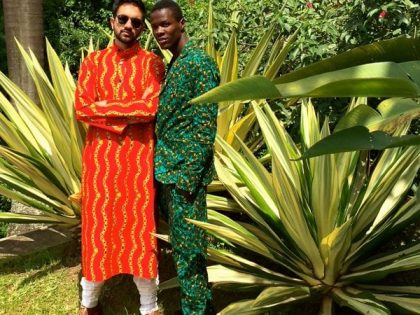
You can’t separate Drake from Toronto or Heems from Queens. Young Cardomom and HAB rap like they are from Kampala, Uganda. Because they are.

Why did Neymar — the one time he was asked about discrimination — respond: “Never, neither inside nor outside the field. Because, I’m not black, right?”
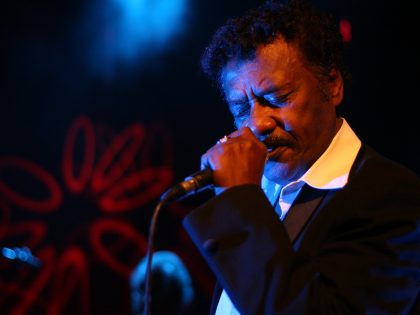
The late Alemayehu Eshete, and musical contemporaries like Mulatu Astatke and Girma Beyene worked around huge obstacles to create a unique Ethiopian sound and make it global.
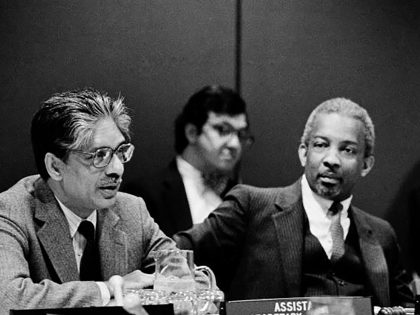
The Indian activist ES Reddy led the fight against South African apartheid at the UN. More importantly, his life reflected the best of left internationalism.
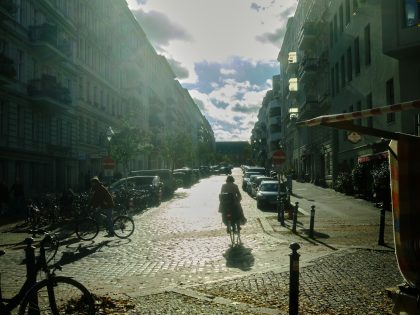
At the 13th Berlin Biennale, works from Zambia and beyond summon unseen forces to ask whether solidarity can withstand the gaze of surveillance.

Should we care that Africa's richest book prize is paid for by a company with unethical business practices?
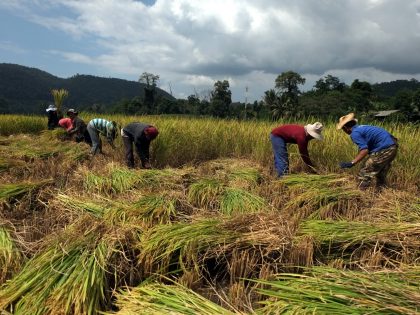
Why the World Food Program doesn't deserve the 2020 Nobel Peace Prize.
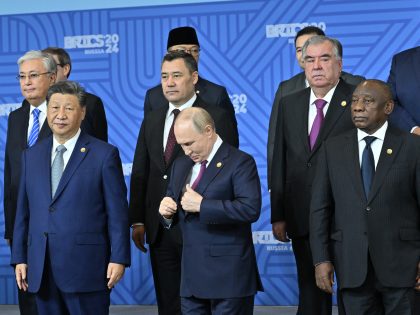
Once a symbol of anti-imperial unity, BRICS now risks becoming the very thing Bandung opposed: a club of powerful states reproducing global inequality in a new key.
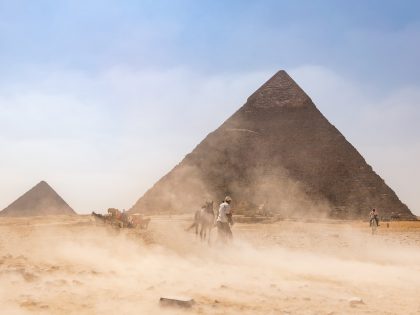
Pharaonism, a mode of national identification linking people living in Egypt today with ancient pharaohs. It emerged partly as an alternative to colonial British efforts to racialize Egyptians as people of color.
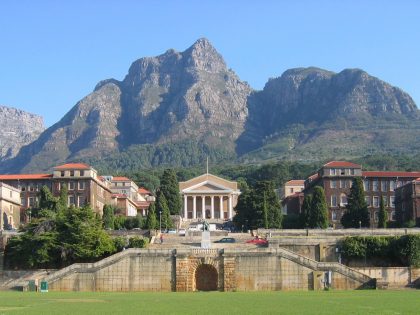
What to do with the universities South Africa inherited from the violences of Apartheid.
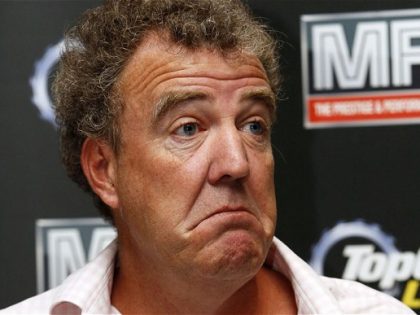
Cancel Jeremy Clarkson, cancel Top Gear and cancel British jingoism.